Home › Guidance For Parents › Best Psychologist in Dwarka: How to Choose the Right Psychologist for You or Your Child
Best Psychologist in Dwarka: How to Choose the Right Psychologist for You or Your Child

Looking for the best psychologist in Dwarka? The search results may show many psychologists, counselling services and child development centres. But choosing the right professional should involve more than ratings, advertising or price.
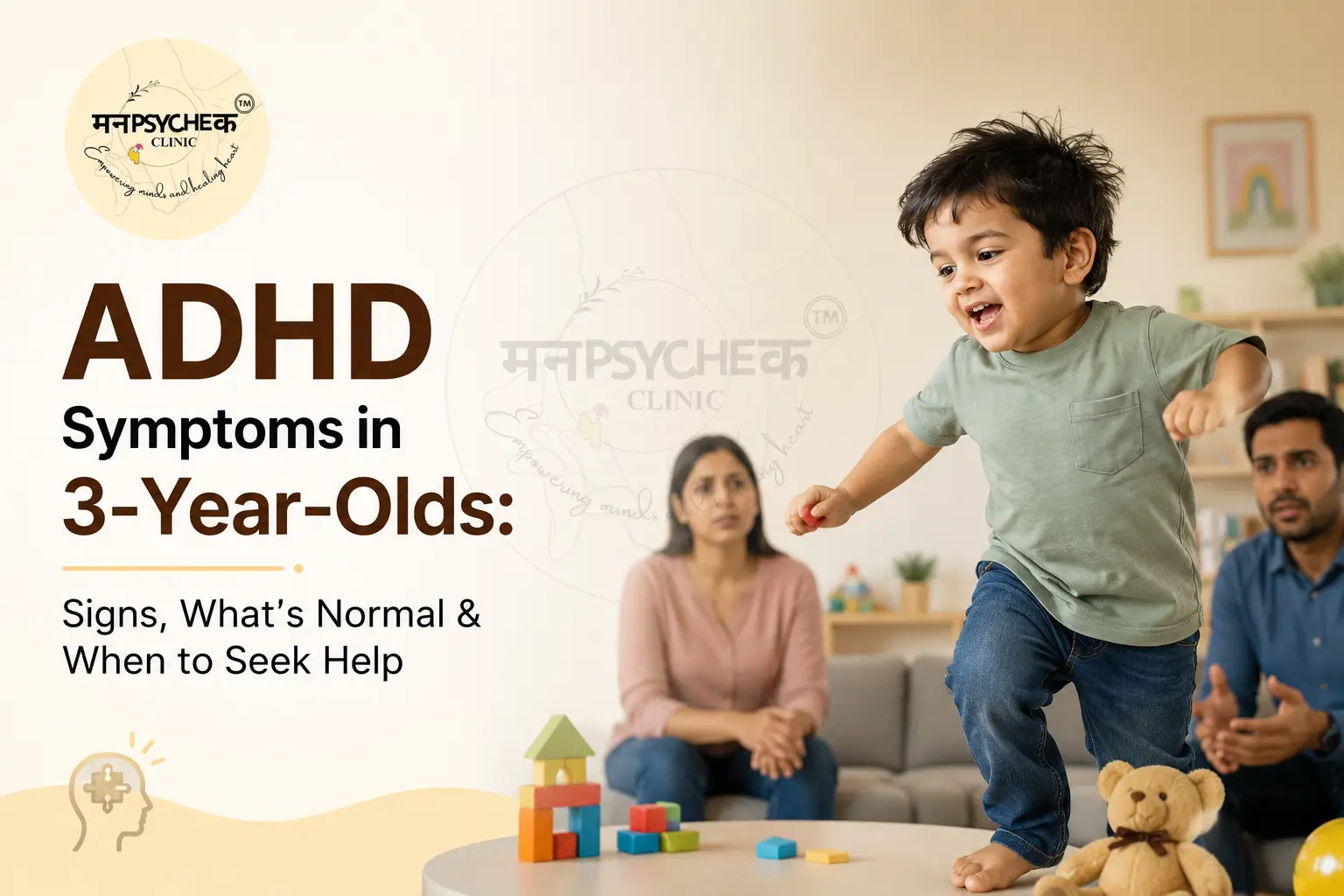
ADHD Symptoms in 3-Year-Olds: Signs, What’s Normal & When to Seek Help
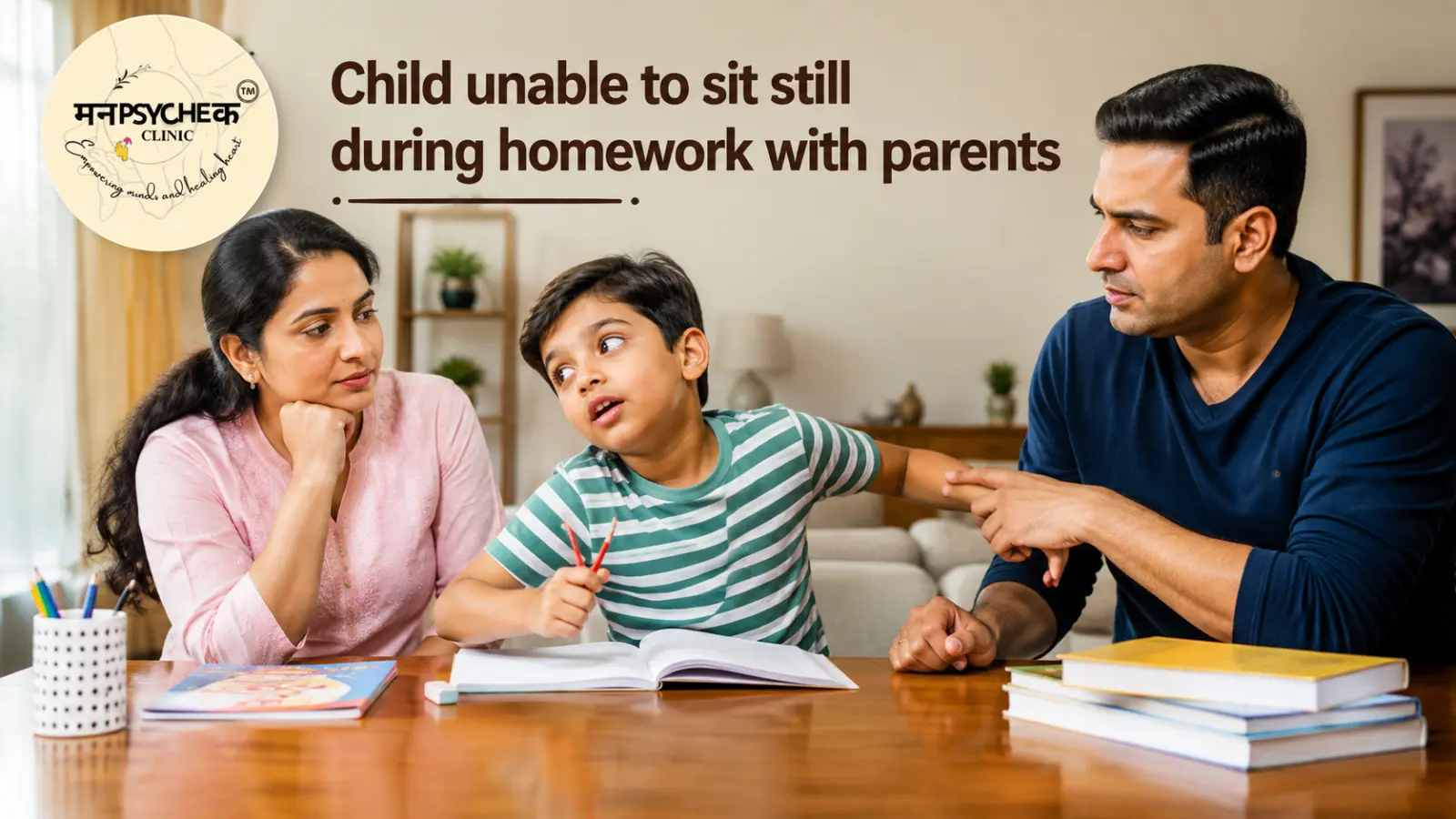
Why Can’t My Child Sit Still? Causes, ADHD Signs & What Parents Can Do
The more useful question is:
Which psychologist has the appropriate qualifications, relevant experience, assessment skills and treatment approach for my specific concern?
For children, this matters even more. Attention problems, learning difficulties, anxiety, developmental differences and behaviour concerns can sometimes look similar from the outside but may require very different assessments and interventions.
This guide explains how to choose a psychologist in Dwarka, Delhi, when psychological assessment may be helpful, what to expect during an assessment, and how services such as counselling, behaviour therapy, ADHD assessment, autism support, speech therapy and special education may fit into a child's overall care plan.
Quick Answer : How Do I Choose the Best Psychologist in Dwarka?
There is no scientifically valid way to name one psychologist as universally "the best." The right psychologist is the professional whose qualifications, scope of practice, relevant experience, assessment approach and treatment plan match your needs.
For a child, look for a professional who understands child development, communicates clearly with parents, considers the child's school and home environment when appropriate, uses suitable assessment methods, and knows when collaboration or referral to another professional is needed.
For adults, consider whether the psychologist has relevant experience with your concern, uses an evidence-informed approach, explains confidentiality and treatment goals clearly, and provides an appropriate referral when the concern requires medical or specialist care.
Why Choosing the Right Psychologist Matters
Psychological care is not one-size-fits-all.
A teenager with examination anxiety may need a different intervention from a child with suspected ADHD. An adult experiencing persistent low mood may require a different approach again. A child with developmental concerns may benefit from assessment and coordinated support involving psychology, education, speech-language services, occupational therapy or medical professionals.
Evidence-based psychological practice combines the best available research with clinical expertise while considering the person's characteristics, needs and preferences.
A good psychological service therefore begins by understanding:
- What is happening?
- When did it begin?
- In which settings does it occur?
- How frequently does it occur?
- How does it affect daily functioning?
- What factors may be contributing?
- What strengths and protective factors are present?
- What support is available at home, school or work?
- Is another professional assessment or referral required?
Assessment should come before assumptions.
What Does a Psychologist Do?
Depending on qualifications, registration and scope of practice, psychologists may work with children, adolescents, adults, couples or families.
Psychological services may include:
- Psychological assessment
- Behavioural assessment
- Counselling
- Psychotherapy
- Cognitive Behaviour Therapy (CBT)
- Parent counselling and training
- Behaviour management
- Emotional regulation support
- Social skills intervention
- Developmental support
- Academic and learning assessment
- Rehabilitation-focused intervention
- School consultation
- Coordination with other professionals
The services a professional can provide depend on their actual qualifications, training and professional registration.
If a service involves rehabilitation or disability-related practice in India, families should check the professional's relevant RCI registration where applicable. The Rehabilitation Council of India maintains the Central Rehabilitation Register for recognised rehabilitation professionals.
When Should You See a Psychologist?
You do not have to wait for a crisis before seeking professional guidance.
Children may benefit from an assessment when difficulties are persistent or interfere with daily functioning, such as:
- Frequent emotional outbursts
- Persistent irritability or aggression
- Excessive worry or fear
- School refusal
- Difficulty separating from parents
- Significant attention difficulties
- Impulsivity or hyperactivity
- Difficulty following instructions
- Persistent academic difficulties
- Reading, writing or mathematics difficulties
- Difficulty retaining learned information
- Social communication concerns
- Difficulty making or maintaining friendships
- Repetitive behaviours or restricted interests
- Developmental concerns
- Persistent sleep-related behavioural difficulties
- Self-care difficulties
- Persistent low confidence or negative self-talk
- Sudden changes in mood or behaviour
- Difficulty adjusting to major family or school changes
Adults may seek psychological support for:
- Anxiety
- Persistent low mood or depression-related symptoms
- Work-related stress
- Relationship difficulties
- Emotional regulation problems
- Sleep difficulties
- Low self-esteem
- Grief or adjustment difficulties
- Trauma-related symptoms
- Obsessive thoughts or compulsive behaviours
- Anger-management difficulties
- Burnout
- Parenting concerns
- Major life transitions
One symptom does not establish a diagnosis. A psychologist considers the overall pattern, duration, context, severity and impact on functioning.
Does My Child Need a Psychologist?
A child does not need to have a confirmed mental health diagnosis before parents can seek professional guidance.
An assessment may be useful when a difficulty is:
Persistent rather than occasional.
Affecting school, home, friendships or daily activities.
Increasing in frequency or intensity.
Significantly different from what is expected for the child's developmental stage.
Causing distress to the child or family.
Creating uncertainty about what type of support is appropriate.
For example, occasional distraction during homework may be related to tiredness or a difficult task.
However, if a child consistently struggles to sustain attention across settings, has significant academic difficulties, acts impulsively and is experiencing problems both at home and school, a more detailed assessment may be appropriate.
ADHD Assessment: Why a Proper Evaluation Matters
ADHD is not simply "being naughty," "being lazy" or "having too much energy."
ADHD symptoms can involve:
Inattention
Hyperactivity
Impulsivity
However, similar behaviours can occur for other reasons. Sleep problems, anxiety, depression, learning difficulties and other developmental or environmental factors can affect attention and behaviour.
The CDC states that there is no single test for diagnosing ADHD. Evaluation involves multiple sources of information and consideration of other possible explanations.
A comprehensive ADHD evaluation may consider:
- Developmental history
- Symptoms across settings
- Parent observations
- Teacher observations
- Academic functioning
- Emotional and behavioural symptoms
- Relevant rating scales
- Functional impairment
- Other developmental or psychological concerns
An online ADHD questionnaire can be useful for raising a question, but it should not be treated as a diagnosis by itself.
Autism Assessment: Why One Behaviour Is Not Enough
Parents may seek professional advice after noticing:
- Limited eye contact
- Hand flapping
- Repetitive play
- Speech or language delay
- Sensory sensitivities
- Difficulty with social interaction
- Strong preference for routines
- Repetitive behaviours or interests
These observations can be relevant, but one behaviour does not establish an autism diagnosis.
Autism assessment considers developmental history, social communication and interaction, restricted or repetitive patterns of behaviour, and the person's functioning and support needs.
The goal is not to force every behaviour into an autism label. The goal is to understand the child's developmental profile and identify the support that is actually needed.
Depending on the referral question, assessment and intervention may involve psychology, developmental paediatrics, speech-language professionals, occupational therapy, special education and other relevant professionals.
Learning Difficulties: Don't Assume the Child Is "Not Trying"
A child who repeatedly struggles with reading, writing or mathematics may have a learning difficulty rather than a motivation problem.
Possible warning signs include:
- Persistent difficulty recognising or reading words
- Slow or effortful reading
- Frequent spelling errors
- Difficulty understanding written instructions
- Problems with written expression
- Difficulty learning or recalling mathematical procedures
- A significant gap between oral understanding and academic performance
- Avoidance of schoolwork
- Homework-related frustration or emotional outbursts
A proper assessment can help explore whether the difficulty is related to learning, attention, language, developmental factors, emotional factors or a combination of concerns.
The purpose of assessment is not simply to attach a label. It is to identify what is making learning difficult and what support may help.
How to Choose a Psychologist in Dwarka :
7 Things to Check
Instead of asking only, "Who is the best psychologist in Dwarka?", ask these questions.
1. What are the psychologist's qualifications?
Check the professional's actual qualifications, registration and relevant training rather than relying only on titles used in advertising.
For rehabilitation and disability-related services, verify relevant RCI registration where applicable.
2. Do they work with your age group?
A professional who primarily works with adults may not be the right fit for a preschool child.
Ask whether the psychologist has experience with:
- Early childhood
- School-age children
- Adolescents
- Adults
- Families
3. Do they understand your specific concern?
Relevant experience may include:
- ADHD
- Autism
- Learning difficulties
- Anxiety
- Behaviour concerns
- Emotional regulation
- Developmental concerns
- Academic difficulties
- Parenting concerns
- Adolescent mental health
4. Do they assess before making conclusions?
A professional should be able to explain why an assessment or intervention is being recommended.
Be cautious of anyone who appears to diagnose a complex developmental or psychological condition within a few minutes without obtaining adequate history and information.
5. Do they explain assessment findings clearly?
A psychological report should not simply contain test scores.
Parents should understand:
- What the findings mean
- What the findings do not establish
- The child's strengths
- Areas of difficulty
- Functional implications
- Recommended next steps
6. Do they involve parents appropriately?
For children, the family and school environment can be important parts of assessment and intervention.
Parents may need guidance on routines, communication, behaviour management, reinforcement, emotional regulation and home-based strategies.
7. Do they know when to refer?
A responsible psychologist should recognise the limits of their own scope of practice.
Depending on the concern, coordinated care or referral may involve a:
- Psychiatrist
- Paediatrician
- Developmental paediatrician
- Speech-language therapist
- Occupational therapist
- Physiotherapist
- Special educator
- Neurologist
Psychologist vs Psychiatrist: Who Should You Consult?
| Psychologist | Psychiatrist |
|---|---|
| Psychological assessment, depending on qualifications | Medical and psychiatric assessment |
| Counselling and psychotherapy, depending on training | Psychiatric diagnosis and medical management |
| Behavioural and psychological interventions | Medication can be prescribed |
| CBT and other psychological interventions, where trained | Can assess medical contributors to psychiatric symptoms |
| Parent and family interventions | Can coordinate psychiatric and medical care |
The two professions are not substitutes in every situation.
Some people benefit from psychological therapy and psychiatric care together, depending on their needs.
What Happens During a Psychological Assessment?
A good assessment is usually a process rather than a single test.
Step 1: Initial consultation
The psychologist discusses the main concern and gathers relevant history.
Step 2: Developmental and personal history
For children, this may include:
- Pregnancy and birth history
- Developmental milestones
- Medical history
- School history
- Family context
- Behaviour
- Social development
- Communication
- Academic performance
Step 3: Observation
The professional may consider:
- Communication
- Attention
- Behaviour
- Interaction
- Emotional responses
- Task performance
Step 4: Standardised assessment
Depending on the referral question, appropriate psychological, developmental, behavioural or educational tools may be used.
Step 5: Interpretation
Test scores are interpreted in context.
A score should never be treated as the entire person.
Step 6: Feedback
The psychologist explains the findings, limitations and recommendations.
Step 7: Intervention planning
The family receives practical recommendations based on the assessment findings.
Why Psychological Tests Should Not Be Used Like Online Quizzes
A psychological test is not useful simply because it produces a number.
A responsible assessment considers:
History + observation + test findings + functional impact + clinical interpretation
For example, an attention rating scale may identify behaviours associated with attention difficulties, but it does not automatically establish ADHD.
Similarly, an IQ score should be interpreted in the context of adaptive functioning, educational history, language, attention, developmental factors and the conditions under which testing took place.
This is why parents should be cautious about interpreting isolated scores found online or using a single screening questionnaire as a diagnosis.
Treatment and Support Options
Treatment should be based on the person's needs and the findings of assessment where assessment is indicated.
Counselling and Psychotherapy
Counselling or psychotherapy may support emotional, adjustment, interpersonal, behavioural and life-related concerns, depending on the professional's training.
Cognitive Behaviour Therapy (CBT)
CBT helps people understand relationships between thoughts, emotions and behaviours and develop more effective coping and problem-solving strategies.
Behaviour Therapy
Behavioural approaches can help increase appropriate behaviours and reduce behaviours that interfere with functioning.
For young children with ADHD, parent training in behaviour management is an evidence-based intervention recommended in appropriate cases.
Parent Training
Parents may learn practical strategies for:
- Giving clear instructions
- Reinforcing appropriate behaviour
- Establishing predictable routines
- Responding consistently
- Reducing unnecessary conflict
- Supporting emotional regulation
- Breaking difficult tasks into manageable steps
ABA-Based Intervention
Applied behaviour analysis (ABA) may be used as part of an individualised intervention plan for some children with developmental or behavioural needs.
Intervention should be ethical, individualised and focused on meaningful functional goals, communication, participation, independence and quality of life.
Special Education
Children with learning or developmental needs may require structured educational intervention, accommodations, remedial instruction or an Individualised Education Plan (IEP), depending on their needs and educational setting.
Speech Therapy
Speech-language intervention may be appropriate for concerns involving:
- Speech sounds
- Receptive language
- Expressive language
- Social communication
- Fluency
- Language development
- Functional communication
Why Multidisciplinary Care Can Be Important
Some children have more than one area of difficulty.
For example:
ADHD + learning difficulty + anxiety
or
Autism + speech-language difficulty + sensory challenges
may require more than one type of professional support.
A multidisciplinary plan may involve psychology, special education, speech therapy, occupational therapy, behaviour therapy and medical professionals when indicated.
The goal is not to send every child to every therapist.
The goal is to involve the right professionals for the child's actual needs.
A Practical Example: Why Assessment Matters
Consider a 9-year-old child who frequently refuses homework.
Parents may initially describe the child as:
"He is lazy and doesn't listen."
But assessment may reveal different possibilities:
- Difficulty sustaining attention
- A specific learning difficulty
- Work that is significantly above the child's current academic level
- Anxiety about making mistakes
- Difficulty understanding instructions
- Poor frustration tolerance
- Executive-function difficulties
- A combination of several factors
The intervention would change depending on the underlying cause.
The purpose of psychological assessment is therefore not simply to stop a behaviour. It is to understand what is contributing to the behaviour and what support is likely to help.
Myths vs Facts
| Myth | Fact |
| A psychologist is only for serious mental illness. | Psychological support can also help with emotional, behavioural, developmental, academic and adjustment concerns. |
| A hyperactive child definitely has ADHD. | Hyperactivity can have several causes; ADHD requires proper evaluation. |
| One psychological test can diagnose everything. | Assessment usually requires multiple sources of information and professional interpretation. |
| Therapy means the child is "mentally ill." | Therapy can teach coping, emotional, behavioural and social skills. |
| The most expensive psychologist is the best. | Price does not determine professional suitability. |
| Parents should wait until the problem becomes severe. | Earlier clarification can help families understand what support is appropriate. |
| Psychologists and psychiatrists do the same thing. | Their training, roles and scope of practice differ. |
| Autism can be diagnosed from eye contact alone. | Autism assessment requires a broader developmental and behavioural evaluation. |
| Behaviour problems are always caused by poor parenting. | Behaviour can be influenced by developmental, emotional, learning, environmental and biological factors. |
| Every child needs the same therapy. | Intervention should be individualised. |
Age-Wise Guide: When Psychological Support May Help
| Age | Examples of concerns to discuss |
| 0–3 years | Developmental concerns, communication, social interaction, behaviour and early intervention |
| 3–6 years | Speech/language, school readiness, behaviour, attention, social skills and emotional regulation |
| 6–12 years | ADHD concerns, learning difficulties, behaviour, anxiety, academic difficulties and social challenges |
| 13–18 years | Anxiety, mood concerns, academic pressure, self-esteem, behaviour, relationships and emotional regulation |
| Adults | Anxiety, persistent low mood, stress, relationships, adjustment, work difficulties and emotional wellbeing |
These are examples, not diagnostic rules. A person's needs depend on their individual history and functioning.
What Can Happen If Persistent Problems Are Ignored?
Not every childhood difficulty becomes a long-term disorder.
However, persistent difficulties can affect:
- Academic confidence
- Parent-child relationships
- Peer relationships
- Self-esteem
- School attendance
- Emotional wellbeing
- Family stress
- Independence
- Educational participation
Early support does not mean putting a label on a child.
Sometimes it simply means understanding the problem before it becomes harder to manage.
What Can Parents Do at Home?
Professional intervention works better when the home environment supports the same goals.
1. Give clear instructions
Instead of:
"Stop behaving badly."
Try:
"Please put the toys in the box and then come to the table."
2. Reinforce appropriate behaviour
Notice and praise specific behaviours you want to see again.
3. Create predictable routines
Consistent routines can reduce unnecessary conflict and make expectations clearer.
4. Avoid constant criticism
Repeated criticism may increase conflict without teaching the child what to do instead.
5. Break difficult tasks into smaller steps
This can be particularly useful when attention, learning or executive-function difficulties are present.
6. Communicate with the school
If a concern occurs at home and school, information from both settings can help clarify the pattern.
7. Avoid online self-diagnosis
Online content can help parents recognise possible concerns, but it cannot replace an individual assessment.
Why Schools Matter in Child Psychology
Children spend a large part of their day in educational settings.
When relevant, assessment and intervention may therefore consider:
Classroom behaviour
Academic performance
Peer interaction
Teacher observations
Homework
Attendance
Learning environment
Classroom accommodations
For children with ADHD, school-based behavioural strategies, classroom supports and parent involvement may form part of an appropriate treatment plan depending on age and individual needs.
A psychologist who understands both mental health and educational functioning can be particularly useful when psychological or developmental concerns are affecting school participation.
MannpsycheK: Child Psychology and Developmental Support in Dwarka
For families searching for a psychologist in Dwarka, child psychologist in Dwarka, child development centre in Dwarka or psychological assessment near Dwarka Mor, MannpsycheK is located in Patel Garden, Sector 15, Dwarka, New Delhi.
MannpsycheK's website describes the centre as providing psychological assessment, counselling, behavioural support and multidisciplinary child-development services. Its listed services include behaviour therapy, ABA intervention, speech therapy, special education, occupational therapy, developmental assessment and related support.
Founder and Director
Saurav Deep
Founder, Psychologist, Behaviour Therapist & Director, KS Mannpsyche India Pvt. Ltd.
According to MannpsycheK's current website, Saurav Deep's professional focus includes child development, autism support, behaviour therapy, counselling, CBT, special education, emotional wellbeing and developmental rehabilitation.
Important: Professional titles and registration details should always be displayed exactly as supported by the individual's current credentials and registration. Do not add an unverified "Dr." title to this article.
MannpsycheK Services
Depending on individual needs and professional assessment, services may include:
- Child psychological assessment
- ADHD assessment
- Developmental assessment
- Behaviour therapy
- Autism support
- ABA therapy
- Speech therapy
- Special education
- Learning disability assessment
- Parent training
- Counselling
- Social skills support
- Early intervention
- Adolescent and adult psychological support
MannpsycheK Location
MannpsycheK Child Development Centre
RZ C1, Old Palam Road, near Mahila Park, Patel Garden, Sector 15, Dwarka, New Delhi – 110059
Phone: +91 92891 02955
Email: contact@mannpsyche.com
Website: https://mannpsyche.com/
The centre's current website also states that online teleconsultation is available and lists its operating hours as Monday–Sunday, 10:00 AM–9:00 PM. Families should confirm appointment availability before visiting.
Nearby areas served may include Dwarka, Palam, Uttam Nagar, Chhatarpur and other parts of Delhi NCR.
What Should You Ask Before Booking a Psychologist?
Use this checklist:
What are the professional's qualifications?
Is the professional's registration applicable to the service?
Do they work with my age group?
Do they have experience with my specific concern?
Will an assessment be conducted when assessment is indicated?
Will the findings be explained clearly?
Will parents or caregivers be involved when appropriate?
Will school information be considered for a child?
What happens if another professional is needed?
How will progress be monitored?
If a professional cannot clearly explain what is being assessed, why it is being assessed and what the next step will be, ask questions before committing to a treatment plan.
How Much Does a Psychologist Cost in Dwarka?
There is no single standard psychologist fee in Dwarka.
Cost can vary according to:
Professional qualifications and experience
Consultation length
Type of assessment
Complexity of the concern
Whether standardised testing is required
Type and duration of therapy
Online versus in-person service
Do not compare fees without comparing the service itself.
A brief consultation and a comprehensive psychological assessment are different services and should not be judged by price alone.
For current MannpsycheK fees, families should check the centre's current booking information or contact the clinic directly.
When Should You Seek Urgent Help?
Some situations require immediate professional or medical attention rather than a routine blog-based consultation.
Seek urgent help if a person has:
Thoughts of suicide or self-harm
A serious threat of harm to another person
Severe confusion or loss of contact with reality
Immediate abuse or safety concerns
A sudden and severe deterioration in functioning
Do not rely on an online questionnaire or routine appointment when there is an immediate safety concern.
Frequently Asked Questions
How do I find the best psychologist in Dwarka?
Look beyond ratings and advertising. Check qualifications, relevant registration, experience with your specific concern, assessment practices, treatment approach and willingness to coordinate with other professionals. For children, look for experience in child development and family or school-based intervention. The "best" psychologist is not necessarily the most expensive or most popular; it is the professional whose expertise matches your needs.
When should I take my child to a psychologist?
Consider professional guidance when emotional, behavioural, developmental, social or academic difficulties are persistent, interfere with daily functioning or cause significant distress. You do not need to wait until a problem becomes severe. A psychologist can help determine whether a concern is developmentally expected, needs monitoring, or warrants further assessment and intervention.
Can a psychologist diagnose ADHD?
ADHD assessment should not be based on a single questionnaire or observation. A proper evaluation considers symptoms across settings, developmental history, functional impairment and other possible explanations. Depending on the professional's qualifications and scope of practice, a psychologist may conduct or contribute to the psychological evaluation, with medical or psychiatric referral when indicated.
Should I see a psychologist or psychiatrist for my child?
It depends on the concern. A psychologist may provide psychological assessment, counselling, psychotherapy or behavioural intervention depending on qualifications and scope of practice. A psychiatrist is a medical doctor who can assess psychiatric conditions and prescribe medication when appropriate. Some children benefit from coordinated care involving both professionals.
Is therapy useful even if my child does not have a diagnosis?
Yes. Psychological support does not require a formal diagnosis in every situation. Children may benefit from support with emotional regulation, coping skills, behaviour, social skills, anxiety, adjustment, parenting difficulties or school-related challenges. Intervention should be based on the child's needs rather than on forcing a diagnostic label.
Final Takeaway
Searching "best psychologist in Dwarka" is easy.
Choosing the right psychologist requires more thought.
Look for:
Appropriate qualifications + relevant experience + careful assessment + evidence-informed intervention + clear communication + ethical practice + appropriate referrals.
For children, add one more requirement:
The professional should understand the child within the context of development, family and school—not just the presenting behaviour.
If you are concerned about your child's behaviour, development, attention, learning, communication or emotional wellbeing, an initial professional consultation can help clarify what is happening and what the next step should be.
If you are looking for child psychology, psychological assessment, ADHD assessment, autism support, behaviour therapy, ABA therapy, speech therapy, special education or learning disability assessment in Dwarka, MannpsycheK provides multidisciplinary child-development and psychological support from its centre in Patel Garden, Sector 15, Dwarka, New Delhi.
Book a Consultation with MannpsycheK
MannpsycheK Child Development Centre
RZ C1, Old Palam Road, near Mahila Park, Patel Garden, Sector 15, Dwarka, New Delhi – 110059
Phone: +91 92891 02955
Email: contact@mannpsyche.com
Website: https://mannpsyche.com/
Book an assessment or consultation to discuss your child's development, behaviour, learning, attention, communication or emotional wellbeing.
This article provides general educational information and does not replace an individual psychological, developmental or medical assessment. Diagnosis and treatment decisions should be made by an appropriately qualified professional after evaluating the individual.