Home › Pediatric Dental Care › Teething Pain in Babies : Symptoms, Safe Remedies, and When to See a Dentist
Teething Pain in Babies : Symptoms, Safe Remedies, and When to See a Dentist
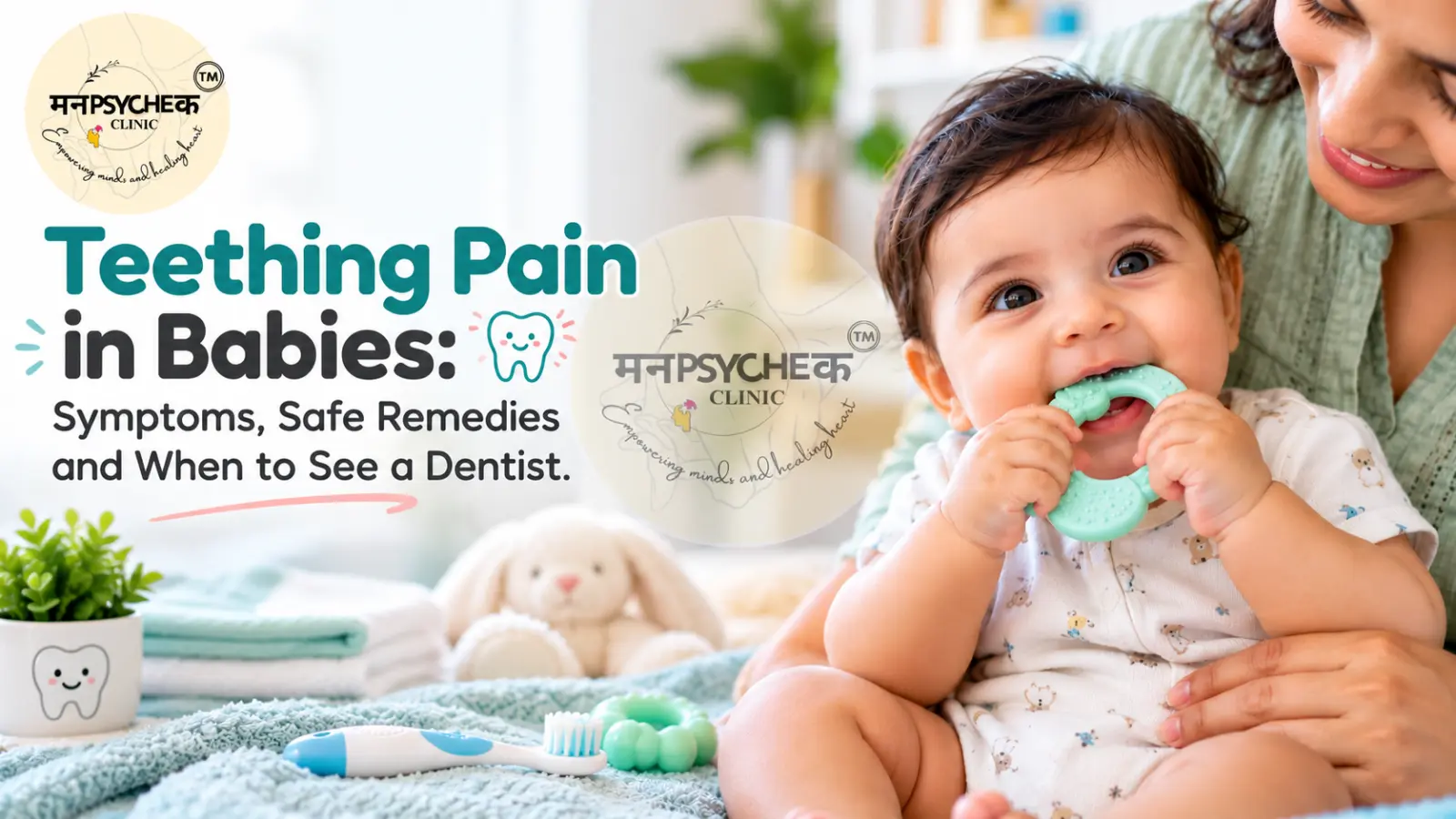
Is your baby drooling more than usual, chewing on everything, or showing signs of discomfort? These changes may indicate that your little one is beginning to teethe.
Recommended for youBreastfeeding and Baby's Oral Health: What Every Parent Should Know
Teething is a normal part of infant development. However, swollen gums, irritability, and disrupted feeding can leave parents wondering how to comfort their baby safely.
The good news is that simple measures, such as gentle gum massage and a chilled teething ring, can often provide relief. Knowing which remedies to avoid is equally important, as some popular teething products may pose serious health risks.
In this guide, we explain when babies start teething, the common symptoms to look for, safe home remedies, and when to consult a pediatric dentist or pediatrician.
When Do Babies Start Teething?
Most babies develop their first tooth at around six months of age, although the timing varies. Some babies develop their first tooth earlier, while others may not have one until later in the first year.
Baby Teeth Eruption Chart: When Will Your Baby's Teeth Appear?
| Baby teeth | Typical age | Where they appear |
|---|---|---|
| Lower front teeth | 6–10 months | Two middle teeth at the bottom |
| Upper front teeth | 8–12 months | Two middle teeth at the top |
| Upper side front teeth | 9–13 months | Teeth next to the upper front teeth |
| Lower side front teeth | 10–16 months | Teeth next to the lower front teeth |
| First back teeth (molars) | 13–19 months | Back teeth used for chewing |
| Pointed teeth (canines) | 16–23 months | Pointed teeth between the front teeth and back teeth |
| Second back teeth (molars) | 23–33 months | The last set of baby teeth at the back |
These age ranges are approximate. Teeth do not always emerge according to a fixed schedule, and individual variation is common.
Most children have a complete set of 20 primary teeth by around three years of age.
Common Symptoms of Teething in Babies
Teething may cause mild discomfort as a tooth emerges through the gums. However, not every baby experiences noticeable symptoms.
Common signs include:
1. Increased Drooling
Your baby may drool more than usual during the teething period. Constant moisture around the mouth can irritate the skin and cause a drool rash.
What you can do: Gently pat the skin dry with a soft cloth and apply a thin layer of plain petroleum jelly to protect irritated skin.
2. Chewing and Biting
Babies may chew on their fingers, toys, or other objects to relieve pressure around their gums.
What you can do: Offer a clean, age-appropriate teething toy made from firm rubber or silicone. Supervise your baby while using it.
3. Tender or Swollen Gums
The gums around an emerging tooth may appear swollen, red, or tender. You may sometimes notice a tooth beginning to show through the gumline.
What you can do: Wash your hands and gently massage the affected gum with a clean finger.
4. Mild Irritability
Some babies become slightly more irritable or unsettled when their gums are uncomfortable.
However, persistent crying or extreme distress should not automatically be attributed to teething. These symptoms may indicate another source of pain or illness.
5. Temporary Changes in Feeding
Sore gums may make sucking or eating temporarily uncomfortable. If your baby is refusing feeds, taking significantly less milk, or producing fewer wet diapers, seek medical advice.
6. Disturbed Sleep
Some babies may become unsettled during periods of teething. However, substantial or persistent sleep disruption should not be assumed to be caused by tooth eruption alone.
Does Teething Cause Fever or Diarrhea?
One of the most common misconceptions about teething is that it causes fever, diarrhea, vomiting, or other significant illnesses.
Teething may coincide with changes in behaviour and, in some studies, a small temperature rise within the normal range. However, a true fever should not be dismissed as a teething symptom.
A temperature of 38°C (100.4°F) or higher is considered a fever. Diarrhea, vomiting, persistent coughing, and widespread rashes are not established consequences of teething.
These symptoms may have another cause, including an infection, and should be assessed appropriately.
If your baby is younger than three months and has a temperature of 38°C or higher, seek urgent medical assessment.
Safe and Effective Home Remedies for Teething Pain
Most babies with mild teething discomfort can be helped with simple, non-medicated measures.
1. Offer a Chilled Teething Ring
A firm, age-appropriate teething ring cooled in the refrigerator can help soothe tender gums.
- Choose a durable, baby-safe product.
- Avoid liquid-filled teething rings that may leak or break.
- Do not freeze the teething ring until it becomes rock-hard.
- Inspect it regularly for damage and supervise your baby during use.
2. Massage the Gums Gently
Wash your hands thoroughly and use a clean finger to massage your baby's gums gently.
Apply steady, comfortable pressure around the affected area for a short period. Stop if your baby becomes distressed.
3. Use a Clean, Cool Washcloth
Dampen a clean washcloth with water, cool it in the refrigerator, and let your baby chew on it under close supervision.
Remove the washcloth if it begins to fray or if any loose threads appear.
4. Continue Age-Appropriate Feeding
Continue breastfeeding or formula feeding as appropriate for your baby's age. If your baby has started complementary feeding, offer suitable foods with a texture and consistency appropriate to their developmental stage.
Avoid hard foods that can break into pieces and cause choking. Never leave a baby unattended while eating.
5. Protect the Skin Around the Mouth
Wipe away drool gently rather than rubbing the skin. A thin layer of plain petroleum jelly may help protect the skin from repeated moisture exposure.
6. Ask a Healthcare Professional Before Using Pain Medicine
If your baby appears to be in significant discomfort, ask your pediatrician about appropriate pain relief.
The choice of medicine and dose depends on factors such as the baby's age, weight, and medical history. Do not estimate doses or use adult medicines.
Avoid applying numbing gels or other medicinal products directly to your baby's gums unless specifically directed by an appropriately qualified healthcare professional.
Teething Remedies Parents Should Avoid
Some products marketed for teething relief can be harmful to infants.
Benzocaine and Lidocaine Gels
These topical anesthetics should not be used to treat teething pain in babies without appropriate medical direction. Benzocaine can cause methemoglobinemia, a potentially life-threatening condition that interferes with the blood's ability to carry oxygen. Lidocaine can also cause serious harm if used improperly.
Homeopathic Teething Tablets and Drops
Avoid relying on homeopathic teething products, particularly those containing potentially harmful ingredients such as belladonna. These products may pose safety risks and are not a substitute for proven soothing methods.
Amber Teething Necklaces and Bracelets
Teething jewelry does not have established evidence of effectiveness and can cause choking or strangulation. Do not place teething necklaces or bracelets on babies.
Alcohol or Household Remedies
Never apply alcohol, aspirin, or unverified herbal preparations to your baby's gums. Avoid using products intended for adults unless a healthcare professional has specifically advised otherwise.
When Should You Consult a Pediatrician?
Teething discomfort is generally mild. Contact your pediatrician if your baby experiences:
- A temperature of 38°C (100.4°F) or higher.
- Persistent diarrhea or vomiting.
- Refusal to feed or significantly reduced fluid intake.
- Fewer wet diapers or other signs of dehydration.
- Unusual drowsiness, marked weakness, or difficulty waking.
- Persistent or severe crying that does not improve with comforting.
- A widespread rash or symptoms that appear to be getting worse.
- Seek urgent medical care if your baby has difficulty breathing, is difficult to wake, or appears seriously unwell.
- Do not assume that these symptoms are caused by teething.
How to Care for Your Baby's First Teeth
Baby teeth play an important role in chewing, speech development, and maintaining space for permanent teeth. They can also develop tooth decay, so oral care should begin as soon as the first tooth appears.
1. Brush Twice Daily
Use a small, soft-bristled baby toothbrush to clean your baby's teeth gently twice a day.
2. Use the Correct Amount of Fluoride Toothpaste
For children younger than three years, use a smear of fluoride toothpaste approximately the size of a grain of rice. An adult should perform or supervise brushing.
3. Schedule the First Dental Visit
Arrange your baby's first dental visit when the first tooth appears and no later than their first birthday. An early visit allows the dentist to assess oral development, discuss feeding and oral hygiene, and identify potential risks for tooth decay.
4. Avoid Frequent Exposure to Sugary Drinks
Do not routinely put your baby to bed with a bottle containing milk, formula, juice, or other sugary drinks. Follow age-appropriate feeding guidance and discuss feeding-related concerns with your pediatric dentist.
5. Monitor Tooth Development
If you are concerned about delayed tooth eruption, unusual tooth appearance, or changes in your baby's gums, arrange a dental assessment rather than relying on a general timeline alone.
Frequently Asked Questions About Baby Teething
Q1. At what age do babies start teething?
A1. Many babies develop their first tooth at around six months, although earlier or later eruption can be normal.
Q2. How long does teething pain last?
A2. The duration varies. Discomfort associated with an emerging tooth is usually temporary. Persistent or severe symptoms should be assessed rather than automatically attributed to teething.
Q3. Can teething cause a fever?
A3. A true fever of 38°C or higher should not be considered a normal teething symptom. Contact your pediatrician for guidance, particularly if your baby is very young or appears unwell.
Q4. What is the safest remedy for teething pain?
A4. Gentle gum massage, a chilled firm teething ring, and a clean, cool washcloth are useful first-line options for many babies.
Q5. Should I use teething gel for my baby?
A5. Avoid benzocaine-containing teething gels and do not use lidocaine for teething pain without appropriate medical direction. Ask your healthcare professional about safe alternatives if your baby is very uncomfortable.
Q6. When should my baby's first dental checkup take place?
The first dental visit should take place when the first tooth erupts and no later than the first birthday.
Teething is a normal milestone, but it can be uncomfortable for some babies. Gentle gum massage, chilled teething rings, and appropriate oral hygiene can help make this phase easier for both babies and parents.
The most important thing is to distinguish mild teething discomfort from symptoms that may indicate illness. Fever, persistent vomiting or diarrhea, poor feeding, and signs of dehydration deserve appropriate medical attention.
Starting dental care with the first tooth and scheduling an early dental visit can help establish healthy oral habits from the beginning.
Need guidance about your baby's first teeth? Book a pediatric dental consultation with MannpsycheK Dental for age-appropriate oral health advice and preventive dental care.
Medical disclaimer: This article is intended for general educational purposes and does not replace an individualized assessment, diagnosis, or treatment plan from a qualified healthcare professional.
About the Author
BDS, IAOM, OMT Specialist, M.I.D.A.
Dr. Kirandeep Kaur is a dental professional associated with MannpsycheK Dental. She contributes to patient education and oral health awareness, helping families understand dental care, preventive practices, and the importance of maintaining healthy teeth from infancy.
Special Interest: Pediatric oral health, preventive dentistry, and oral muscle function.
Clinic: MannpsycheK Dental
For individual dental advice or treatment, consult a qualified dental professional.