Home › ADHD › ADHD Symptoms in Teenagers: 15 Signs Parents Should Know
ADHD Symptoms in Teenagers: 15 Signs Parents Should Know

Could Your Teenager's Behaviour Be Related to ADHD?
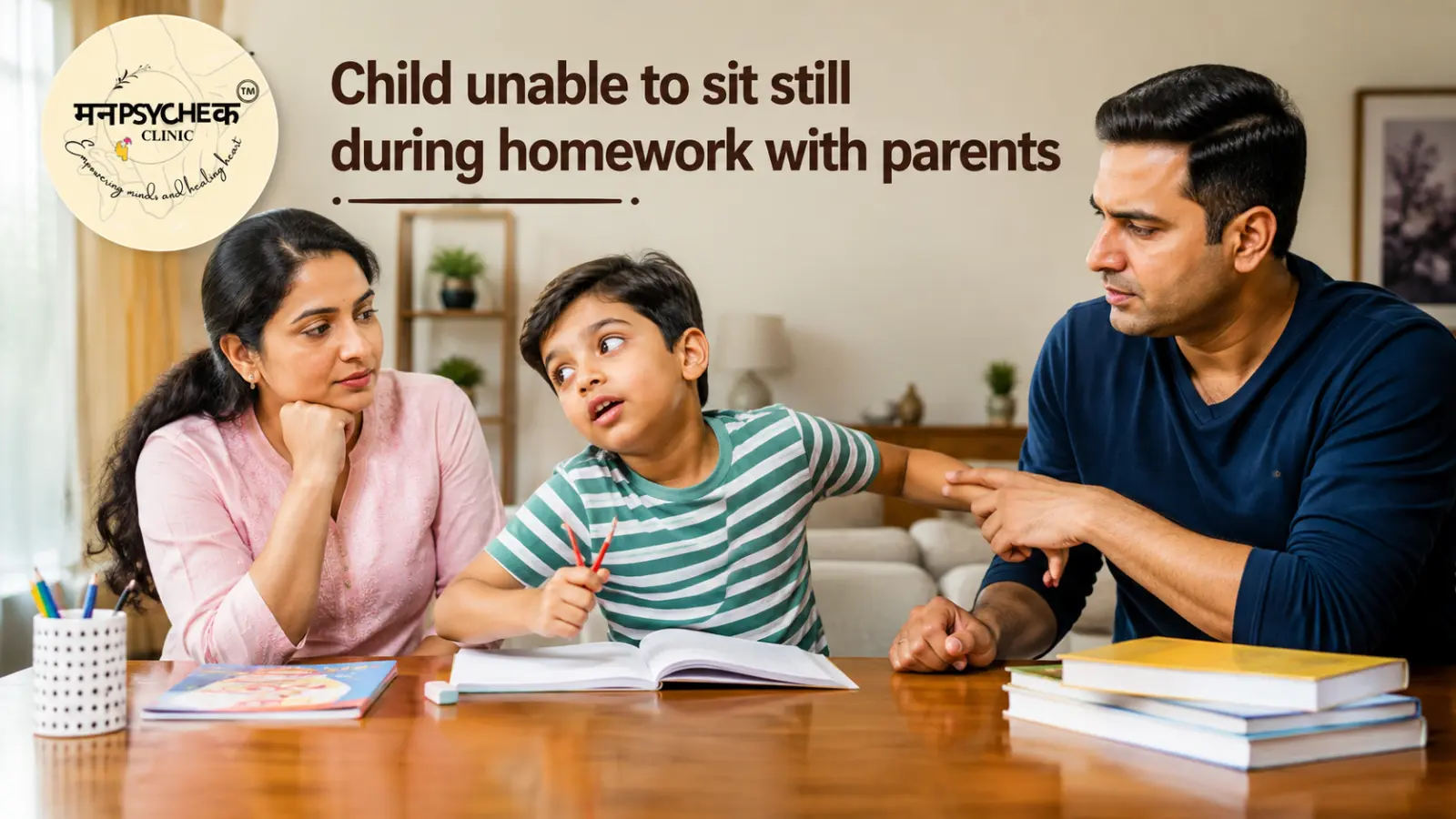
Your teenager spends hours preparing for an examination but forgets to submit the assignment. They promise to clean their room but become distracted halfway through. They interrupt conversations, misplace their belongings, struggle to manage time or leave important tasks until the last minute.
ADHD Symptoms in 5 Year Olds: 15 Early Signs Parents Should Know
ADHD Symptoms in 3-Year-Olds: Signs, What’s Normal & When to Seek Help
You may hear comments such as, "You are not trying hard enough," "Stop being careless," or "Why can't you concentrate?"
Over time, these repeated difficulties can create tension at home, affect academic performance and damage a teenager's confidence.
But what if the problem is not simply a lack of effort?
Attention-Deficit/Hyperactivity Disorder (ADHD) can affect teenagers in ways that are less obvious than the hyperactivity commonly associated with younger children. In adolescence, difficulties may become more noticeable as schoolwork becomes demanding and teenagers are expected to manage their own schedules, responsibilities and decisions.
However, procrastination, forgetfulness and mood changes do not automatically mean ADHD. Sleep deprivation, anxiety, depression, learning difficulties and other concerns can produce similar symptoms.
This guide explains 15 possible ADHD signs in teenagers, how assessment works, what treatment may involve and how parents can support their adolescent without turning every difficulty into a conflict.
What Is ADHD in Teenagers?
Attention-Deficit/Hyperactivity Disorder (ADHD) is a neurodevelopmental disorder characterised by a persistent pattern of inattention and/or hyperactivity-impulsivity that interferes with functioning or development.
ADHD often begins in childhood and may continue into adolescence and adulthood. It is not a character flaw, a sign of low intelligence or proof that a teenager has been poorly disciplined.
According to DSM-5 diagnostic concepts, ADHD has three presentations:
- Predominantly inattentive presentation: Attention, organisation and follow-through difficulties are prominent.
- Predominantly hyperactive-impulsive presentation: Excessive activity, restlessness and impulsivity are prominent.
- Combined presentation: Both inattentive and hyperactive-impulsive symptoms are present.
In teenagers, hyperactivity may become less physically obvious. Instead of constantly running around, an adolescent may feel restless, fidget frequently, talk excessively or struggle to remain engaged in situations requiring sustained attention.
Some teenagers with ADHD are academically capable and achieve good grades, especially when tasks interest them or when they receive substantial support. Others experience significant educational difficulties.
Academic performance alone cannot confirm or rule out ADHD.
15 Common ADHD Symptoms in Teenagers
The following signs can help parents recognise patterns that may deserve professional assessment. They are not a diagnostic checklist for self-diagnosis.
1. Difficulty Sustaining Attention
A teenager may struggle to maintain focus during lectures, lengthy reading assignments, conversations or routine tasks.
They may start homework but become distracted by unrelated thoughts, notifications or activities.
Occasional distraction is normal. Persistent attention difficulties that interfere with everyday functioning are more concerning.
2. Chronic Procrastination
Your teenager may repeatedly postpone assignments despite knowing the deadline.
They may intend to start early but struggle to initiate the task, organise the steps or sustain effort until completion.
Procrastination can have several causes, including anxiety, perfectionism, low motivation, depression and ADHD-related executive-functioning difficulties. Its presence alone does not establish a diagnosis.
3. Poor Time Management
Teenagers with ADHD may underestimate how long tasks will take, lose track of time or repeatedly arrive late.
They might begin preparing for school too late, underestimate examination preparation time or forget commitments.
These difficulties can become more noticeable as independent responsibilities increase during adolescence.
4. Forgetfulness in Daily Life
A teenager may repeatedly forget homework, school materials, appointments, instructions or household responsibilities.
Parents may interpret this as carelessness, but persistent forgetfulness can reflect difficulties with attention, working memory or organisation.
However, memory complaints also occur with inadequate sleep, stress, depression and other conditions.
5. Disorganisation
A schoolbag, desk, bedroom or digital workspace may become difficult to manage.
The teenager may struggle to prioritise tasks, keep track of deadlines, arrange materials or break large assignments into smaller steps.
Disorganisation becomes particularly important when it repeatedly affects academic work, personal responsibilities or relationships.
6. Difficulty Following Through
Your teenager may understand an instruction but fail to complete all its steps.
For example, they might begin a project, gather the materials and then leave the work unfinished.
The problem may involve task initiation, maintaining attention, remembering the next step or resisting distractions.
7. Restlessness and Fidgeting
Hyperactivity does not always disappear during adolescence. It may appear as:
- Constantly moving hands or feet.
- Tapping objects during lessons.
- Changing sitting positions frequently.
- Feeling uncomfortable during prolonged inactivity.
- Seeking frequent movement breaks.
These behaviours are more meaningful when persistent, developmentally inappropriate and impairing.
8. Excessive Talking or Interrupting
Some teenagers frequently interrupt, speak before others finish or struggle to wait during discussions.
They may become excited about an idea and find it difficult to pause long enough to listen.
The important consideration is whether the pattern repeatedly interferes with communication, classroom participation or relationships.
9. Impulsive Decisions
Impulsivity may affect everyday choices, such as spending money without planning, reacting immediately during arguments or taking unnecessary risks.
During adolescence, risk-taking also occurs for reasons unrelated to ADHD. Assessment should consider the context, frequency, severity and consequences of the behaviour.
10. Difficulty Prioritising Tasks
A teenager may spend considerable time on a low-priority activity while leaving an urgent assignment unfinished.
They may struggle to identify what needs to happen first, estimate task importance or shift attention between competing responsibilities.
This is particularly challenging when several school subjects, examinations and extracurricular activities demand attention simultaneously.
11. Losing Belongings Frequently
Repeatedly misplacing books, stationery, keys, identification cards or other essentials can create daily frustration.
Occasional lost belongings are common among adolescents. Persistent difficulties across routines may indicate a need to explore attention and organisation skills.
12. Emotional Regulation Difficulties
Some teenagers with ADHD experience difficulty managing frustration, disappointment or intense reactions.
They may become overwhelmed when plans change, react strongly to criticism or struggle to calm down after an argument.
Emotional dysregulation can coexist with ADHD, but it is not sufficient on its own to diagnose the disorder. Anxiety, depression, trauma and other conditions must also be considered.
13. Difficulty Listening During Conversations
Parents may feel that their teenager is ignoring them, particularly when instructions need to be repeated.
Sometimes the adolescent is distracted, mentally occupied or struggling to retain several pieces of information at once.
Before attributing the behaviour to ADHD, consider communication patterns, hearing, stress, sleep and whether the instructions are clear and manageable.
14. Inconsistent Performance at School
A teenager may understand a subject during discussion but struggle to complete written work, revise consistently or submit assignments.
This discrepancy can reflect executive-functioning difficulties, but it may also relate to learning disorders, anxiety, gaps in instruction or other factors.
The assessment should investigate the reasons behind inconsistent performance rather than assuming that the teenager is not trying.
15. Difficulty Managing Independent Responsibilities
Adolescence brings greater expectations around planning, personal organisation, study schedules and independent decision-making.
A teenager who repeatedly struggles with these responsibilities may need more structured support than their peers.
ADHD is one possible explanation, but a professional should evaluate the full developmental and clinical picture.
ADHD Symptoms in Teenage Boys and Girls
ADHD can occur in teenagers of any sex. However, its presentation and recognition may differ.
Some boys are referred for assessment because overt hyperactivity or disruptive behaviour attracts attention at school.
Some girls may show less conspicuous symptoms, including daydreaming, distractibility, disorganisation and difficulty keeping up with schoolwork. Their difficulties may be overlooked when they are quiet or appear to cope well externally.
These are general patterns, not diagnostic rules. Girls can also experience hyperactivity and impulsivity, and boys can present primarily with inattention.
Parents should focus on persistent functional difficulties rather than stereotypes about how ADHD is supposed to look.
ADHD vs Normal Teenage Behaviour
Teenagers are developing independence, emotional regulation and planning skills. They may occasionally procrastinate, forget responsibilities, stay up late or argue with parents.
These behaviours alone do not indicate ADHD.
| Typical teenage behaviour | Pattern that may warrant assessment |
|---|---|
| Occasionally forgets homework | Repeatedly misses deadlines despite reasonable support |
| Procrastinates on an unpleasant task | Persistent task-initiation and completion difficulties across responsibilities |
| Becomes distracted sometimes | Attention problems consistently interfere with daily functioning |
| Occasionally interrupts | Repeated difficulty inhibiting responses across settings |
| Has occasional emotional outbursts | Persistent difficulties that significantly affect relationships or functioning |
| Has a messy room | Organisation difficulties also affect schoolwork, appointments and daily responsibilities |
When Should Parents Be Concerned?
Consider professional assessment when:
- Difficulties have persisted for at least six months.
- Several symptoms began during childhood.
- Symptoms occur in two or more settings, such as home and school.
- The pattern is inconsistent with developmental expectations.
- Education, relationships or daily functioning are affected.
- Other explanations have been considered.
A teenager does not need to be failing examinations to deserve an assessment. The purpose is to understand the pattern of difficulties and identify appropriate support.
What Causes ADHD in Teenagers?
ADHD is a neurodevelopmental condition influenced substantially by genetic and biological factors.
1. Genetic Influences
ADHD frequently runs in families. Having a close biological relative with ADHD may increase the likelihood of the condition, but it does not determine whether an individual teenager will develop it.
2. Brain Development
Brain networks involved in attention, response inhibition, working memory and planning continue to develop throughout adolescence.
Research indicates that ADHD is associated with differences in brain development and functioning, but there is no single brain scan or biological marker that independently establishes an ADHD diagnosis in routine clinical practice.
3. Prenatal and Early-Life Factors
Certain prenatal and early-life exposures, including premature birth and exposure to some harmful substances, are associated with increased ADHD risk.
These associations do not establish the cause of ADHD in an individual teenager.
4. Environmental Stressors and Co-Occurring Difficulties
Stress, family conflict, sleep disruption and academic pressure can worsen attention and behavioural regulation.
They do not, by themselves, prove that a teenager has ADHD. They may contribute to symptoms, coexist with ADHD or indicate another problem requiring attention.
What Happens in the Brain of a Teenager With ADHD?
Managing schoolwork requires more than intelligence. A student must remember instructions, organise materials, resist distractions, prioritise tasks and monitor progress.
These abilities are commonly discussed under the term executive functioning.
ADHD can affect how efficiently a person manages these processes. A teenager may understand exactly what needs to be done yet struggle to start, sequence or complete the work.
This does not mean the teenager is incapable of learning. It means the demands of a task may exceed their current self-management skills.
Helpful support focuses on building these skills through structured routines, external reminders, task breakdown, feedback and appropriate treatment.
A Real-Life Example:
When Poor Academic Performance Is Misunderstood
Consider a hypothetical 15-year-old student, Aarav.
His teachers report incomplete assignments, forgotten materials and difficulty following lengthy instructions. His parents notice that he spends considerable time preparing to study but struggles to begin the actual work.
After repeated reminders, he becomes frustrated and argues with his family.
It would be premature to conclude that Aarav has ADHD based on these behaviours alone.
A professional assessment would explore:
- Whether the difficulties began during childhood.
- Whether similar patterns occur at home and school.
- Whether attention and organisation difficulties significantly impair functioning.
- Whether sleep, anxiety, depression or learning difficulties contribute.
- Whether there are strengths and environmental supports that improve performance.
The assessment might identify ADHD, another condition, overlapping difficulties or a need for targeted educational support without an ADHD diagnosis.
The goal is not to excuse every behaviour. It is to understand what is happening and choose an effective response.
Myths vs Facts About ADHD in Teenagers
| Myth | Fact |
|---|---|
| ADHD is only a childhood problem. | Symptoms may continue into adolescence and adulthood. |
| Teenagers with ADHD are lazy. | ADHD can interfere with attention, planning and task completion. |
| Good grades rule out ADHD. | Academic ability does not independently rule out ADHD. |
| ADHD affects only boys. | ADHD occurs in girls and boys. |
| Every teenager who procrastinates has ADHD. | Procrastination has many possible causes. |
| ADHD means low intelligence. | ADHD does not automatically indicate low intelligence. |
| Medication is the only treatment. | Treatment can include medication, behavioural strategies, psychological support and educational interventions. |
| Punishment cures ADHD. | Consistent expectations can help, but punishment does not treat the underlying neurodevelopmental condition. |
How ADHD May Affect Teenagers at Different Ages
The exact pattern varies between individuals, but increasing independence can make difficulties more visible.
| Age range | Possible concerns |
|---|---|
| 10–12 years | Forgetfulness, difficulty following multi-step instructions and increasing schoolwork demands |
| 13–15 years | Procrastination, missed assignments, disorganisation and impulsive decisions |
| 16–17 years | Examination preparation, time management, independent study and planning |
| 18–19 years | College or work transitions, self-management, appointments and independent responsibilities |
Age alone does not determine diagnosis. Developmental history, symptom persistence and functional impairment remain central.
How ADHD Can Affect a Teenager's Life
Academic Performance
A teenager may know the material but struggle with revision schedules, deadlines, written assignments and examination preparation.
School-based support and an individualised study system can help address these difficulties.
Friendships and Relationships
Interrupting, forgetting plans, reacting impulsively or struggling to listen can lead to misunderstandings.
Direct communication strategies and psychological support may help teenagers improve their relationships.
Self-Esteem
Repeated criticism for being careless, disorganised or unreliable can affect confidence.
Adults should acknowledge genuine difficulties while maintaining reasonable expectations and helping the teenager develop practical skills.
Emotional Well-Being
Adolescence already involves changing social relationships, identity development and academic pressure.
Teenagers with ADHD may also experience anxiety, depression or other mental health difficulties. These concerns should be assessed rather than automatically attributed to ADHD.
Family Relationships
Repeated reminders and arguments can turn ordinary routines into conflict.
Collaborative problem-solving, clear expectations and consistent follow-through may reduce unnecessary tension.
How Is ADHD Diagnosed in Teenagers?
ADHD can be diagnosed during adolescence. There is no single questionnaire, computer test, IQ test or brain scan that independently establishes the diagnosis.
The DSM-5 framework generally requires six or more symptoms in a relevant domain for children and adolescents up to age 16, and five or more for individuals aged 17 and older. Symptoms must persist for at least six months, several symptoms must have been present before age 12, and symptoms must occur in at least two settings and interfere with functioning. The clinician must also consider alternative explanations.
Step 1: Developmental and Clinical History
The professional explores childhood behaviour, school experiences, developmental history, family history, sleep, medical history and current difficulties.
Step 2: Information From Different Settings
Parent observations, the teenager's own account and teacher feedback help establish how symptoms affect functioning across home, school and other environments.
Step 3: Standardised Rating Scales
Validated ADHD rating scales may help organise symptom information. Examples include appropriate Conners scales and other validated ADHD questionnaires.
These tools support clinical judgement; they do not replace it.
Step 4: Differential Assessment
The professional considers conditions that can resemble or coexist with ADHD, including:
- Anxiety disorders.
- Depression.
- Sleep disorders.
- Specific learning disorder.
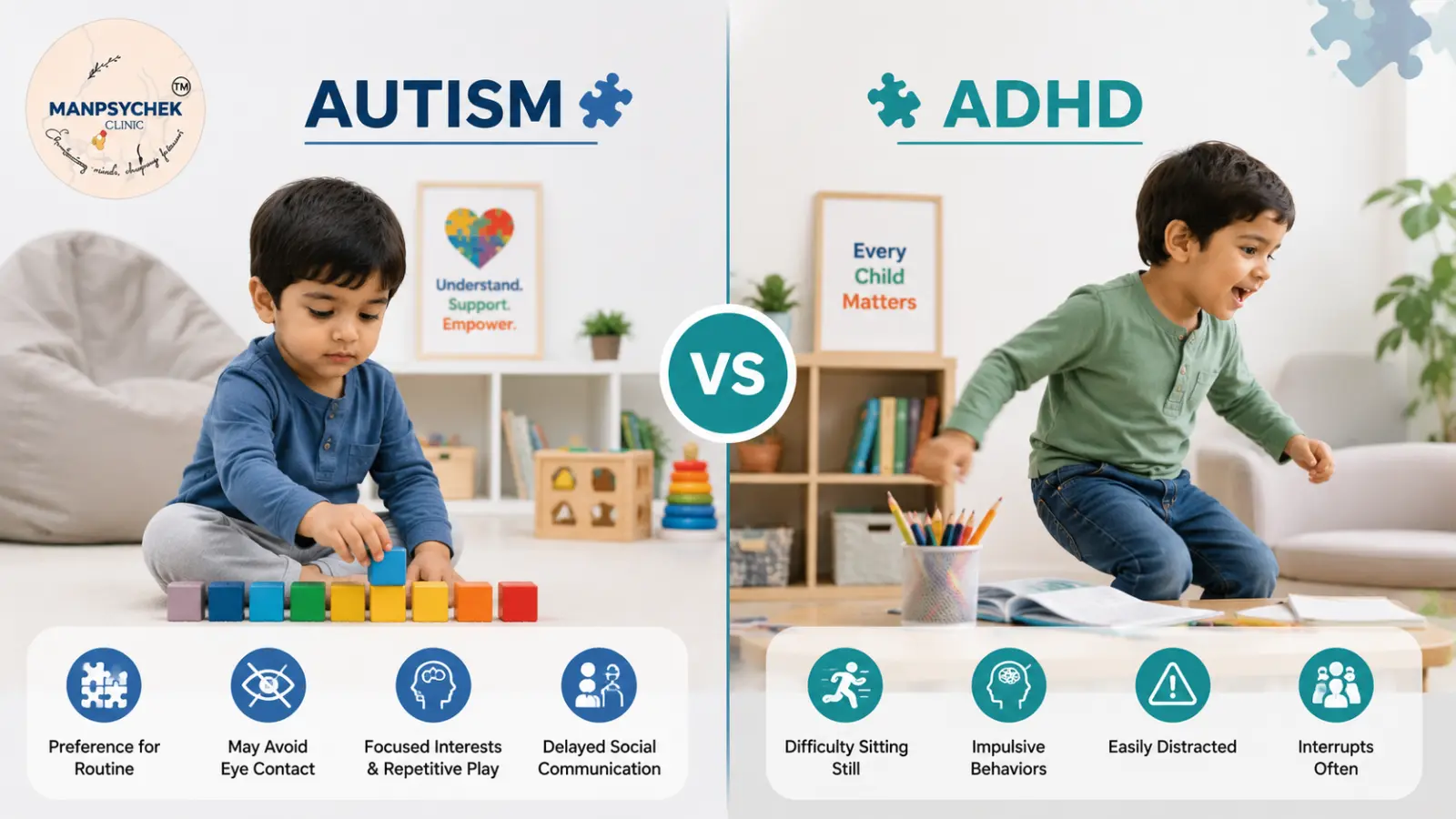
- Autism spectrum disorder.
- Substance use.
- Hearing or vision difficulties.
- Trauma-related difficulties.
- Medical conditions that affect concentration.
Step 5: Individualised Recommendations
The assessment should identify strengths, functional needs and possible next steps. Recommendations may include medical review, behavioural intervention, psychological support, school accommodations or further evaluation.
Treatment Options for ADHD in Teenagers
Treatment should be tailored to the teenager's symptoms, age, preferences, co-occurring conditions and level of impairment.
The American Academy of Pediatrics recommends medication for adolescents with ADHD with the adolescent's assent, alongside encouragement of evidence-based behavioural or training interventions and appropriate educational support. Treatment decisions should be made with qualified healthcare professionals. (AAP clinical practice guideline.)
1. Medication
A paediatrician or psychiatrist with appropriate expertise may discuss medication as part of treatment.
The choice depends on the individual clinical picture, medical history, potential benefits, side effects and monitoring needs.
Medication should not be started, stopped or adjusted without medical supervision. It is not appropriate to recommend a specific medicine based only on a blog checklist.
2. Behavioural and Psychological Intervention
Intervention can help teenagers develop practical strategies for:
- Starting and finishing tasks.
- Managing distractions.
- Planning and prioritising.
- Regulating impulsive responses.
- Communicating effectively.
- Following routines.
The focus should be on meaningful functional improvement rather than simply making the teenager appear more compliant.
3. Cognitive Behavioural Therapy
Cognitive behavioural therapy (CBT) may be useful for selected adolescents, particularly when difficulties with self-management coexist with anxiety, negative thinking or emotional distress.
CBT is not a substitute for a comprehensive ADHD assessment and does not work identically for every teenager.
4. Parent Guidance
Parents can learn how to provide structure without taking over every responsibility.
Useful approaches include clear expectations, collaborative planning, proportionate consequences and positive reinforcement.
5. Educational Support
Schools may consider appropriate support based on the student's needs, such as:
- Written instructions.
- Breaking large assignments into smaller steps.
- Regular progress check-ins.
- Reduced unnecessary distractions.
- Planning support for deadlines.
- Appropriate assessment arrangements under school policy.
In India, educational accommodations depend on the student's documented needs, school procedures and applicable rules. Do not assume that every ADHD diagnosis automatically entitles a student to a particular examination concession.
10 Practical Strategies Parents Can Use at Home
1. Replace Repeated Lectures With Clear Instructions
Instead of saying, "You never manage your time," agree on one concrete action: "Please spend the next 20 minutes outlining your science assignment."
2. Use a Visible Weekly Planner
Record examinations, assignments, tuition, appointments and deadlines in one place.
A shared planner can reduce the need for constant verbal reminders.
3. Break Large Tasks Into Smaller Steps
Replace "Finish your project" with a sequence:
- Read the instructions.
- Gather the materials.
- Create the outline.
- Complete the first section.
- Review and submit.
4. Use Timers Strategically
A timer can help establish a starting point and create a manageable work period. Adjust the duration to the teenager's needs rather than treating one interval as universally effective.
5. Reduce Digital Distractions
Agree on specific phone and notification rules during focused work.
Avoid assuming that every screen-related difficulty is ADHD; habits, task difficulty and sleep patterns also matter.
6. Build Predictable Routines
Consistent routines for waking, meals, study, exercise and bedtime reduce the number of daily decisions a teenager must manage.
7. Reinforce Progress
Acknowledge practical improvements, such as beginning a task on time, remembering materials or following a study plan.
Specific feedback is more useful than vague criticism.
8. Support Sleep and Physical Activity
Encourage a consistent sleep schedule, regular physical activity and balanced meals. Persistent sleep problems deserve medical attention because they can worsen attention and mood.
9. Involve Your Teenager in Problem-Solving
Ask what gets in the way and which strategy feels realistic.
Adolescents are more likely to participate when they have a voice in decisions affecting their daily life.
10. Coordinate With the School
With appropriate consent, share relevant information with teachers and agree on practical goals. Monitor progress rather than relying only on complaints about behaviour.
Professional Support at MannpsycheK, Dwarka
MannpsycheK is a child development and mental health centre in Dwarka, Delhi, offering psychological and developmental support.
Depending on the teenager's needs and the services available, families may seek guidance related to:
- ADHD assessment and referral guidance.
- Adolescent psychological consultation.
- Behaviour therapy.
- Parent guidance and counselling.
- Special education and learning support.
- Learning disability assessment.
- Speech therapy when communication concerns are present.
- Autism-related assessment and intervention when indicated.
An appropriate assessment should clarify the teenager's needs before recommending an intervention plan. Not every teenager requires every service, and a psychologist's role should be distinguished from medical prescribing.
For suspected ADHD, medical evaluation may be required as part of the diagnostic and treatment pathway.
When Should You Seek Professional Help?
Consider arranging an assessment when attention, organisation, impulsivity or restlessness repeatedly affects your teenager's education, relationships, emotional well-being or daily responsibilities.
Seek prompt mental health support if your teenager experiences severe emotional distress, significant deterioration in functioning or concerns about self-harm. If there is immediate danger, contact local emergency services and do not leave the teenager unsupported.
An assessment is not a commitment to medication or a permanent label. It is a way to understand the difficulties and discuss suitable options.
Frequently Asked Questions
Q1. What are the main symptoms of ADHD in teenagers?
A1. Common symptoms include persistent inattention, disorganisation, forgetfulness, difficulty completing tasks, poor time management, restlessness and impulsive behaviour. Some teenagers primarily experience attention and organisation difficulties rather than obvious hyperactivity. Symptoms must be evaluated in the context of developmental history, persistence, functioning across settings and alternative explanations.
Q2. Can ADHD go unnoticed until the teenage years?
A2. Yes. Some individuals are recognised later because increasing academic demands expose difficulties that were less apparent during childhood. Others may have had symptoms that were overlooked or attributed to behaviour or motivation. A later diagnosis still requires evidence that several symptoms were present before age 12, as well as assessment of current impairment and alternative explanations.
Q3. Is procrastination a sign of ADHD in teenagers?
A3. Procrastination can occur in ADHD when task initiation, planning, time management or sustained attention is difficult. However, it can also result from anxiety, perfectionism, depression, poor sleep, low motivation or an overwhelming workload. Persistent procrastination across responsibilities should be explored in context rather than treated as proof of ADHD.
Q4. Can teenagers with ADHD do well academically?
A4. Yes. Some teenagers with ADHD achieve strong academic results, particularly when subjects interest them or they have effective support. Others struggle with deadlines, written assignments and examination preparation despite understanding the material. Grades alone cannot confirm or exclude ADHD; assessment should examine functioning across settings and the effort required to manage everyday responsibilities.
Q5. Where can I get an ADHD assessment for teenagers in Dwarka, Delhi?
A5. Families can contact MannpsycheK in Dwarka Mor, Delhi, to enquire about adolescent psychological consultation and ADHD assessment-related services. Ask about the assessment process, professional qualifications, availability and whether medical referral is needed. A comprehensive evaluation should consider developmental history, parent and teenager reports, school functioning and other conditions that may affect attention or behaviour.
Conclusion: Look Beyond the Behaviour
ADHD symptoms in teenagers can involve inattention, impulsivity, disorganisation, time-management difficulties and persistent challenges with completing everyday responsibilities.
However, not every teenager who procrastinates, argues or struggles academically has ADHD. A careful assessment is needed to understand the reasons behind the behaviour.
Support should combine realistic expectations, practical self-management strategies, appropriate school collaboration and professional care where indicated.
The aim is not to remove every difficulty from a teenager's life. It is to help them understand their needs, develop useful skills and participate more confidently in education, relationships and daily life.
Book a Consultation at MannpsycheK, Dwarka
Is your teenager struggling with concentration, time management, impulsivity or school responsibilities?
MannpsycheK provides child and adolescent psychological and developmental support in Dwarka, Delhi.
Enquire about:
- ADHD assessment.
- Adolescent psychological consultation.
- Behaviour therapy.
- Parent guidance.
- Special education.
- Learning disability assessment.
Contact: Dr. Saurav D. S. Dogra
Centre: K.S. MannpsycheK, Dwarka Mor, Delhi
Website: https://mannpsyche.com/
Call to action: Contact MannpsycheK to discuss your teenager's concerns and explore appropriate assessment or consultation options.
Disclaimer: This article is for educational purposes only and does not replace individual assessment, diagnosis or medical advice. Medication decisions should be made with a qualified medical professional.