Home › Physiotherapy › Struggling with Stress, Body Pain, and Fatigue? Why Cupping Therapy is the 2026 Trend You Can't Ignore
Struggling with Stress, Body Pain, and Fatigue? Why Cupping Therapy is the 2026 Trend You Can't Ignore

Physical pain and emotional stress often affect the body together. Long working hours, poor posture, chronic stress, muscle tension, lack of rest, and physically demanding lifestyles can gradually lead to fatigue, stiffness, headaches, poor sleep, and reduced overall well-being.
Recommended for youBest Psychologist in Dwarka: How to Choose the Right Psychologist for You or Your Child
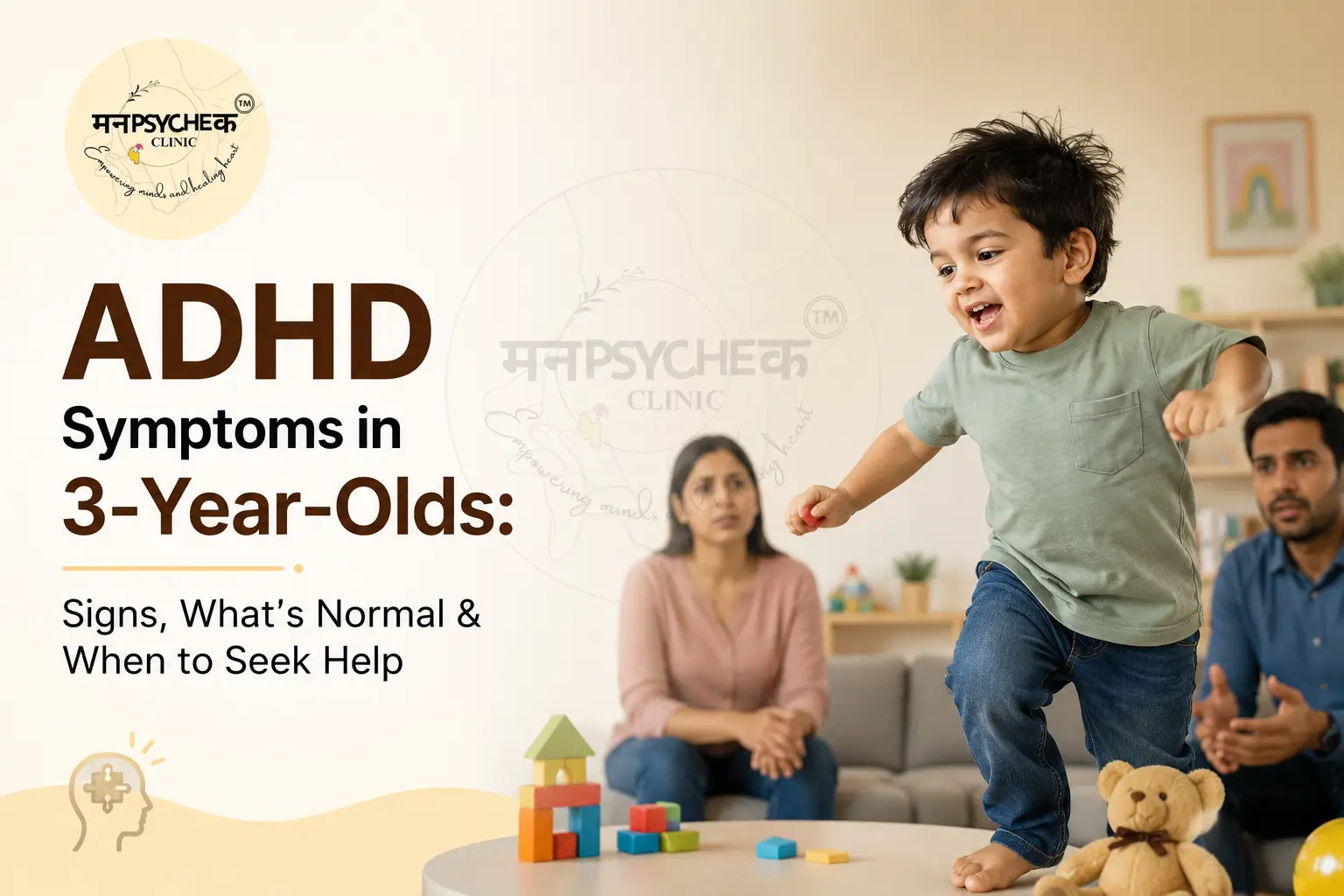
ADHD Symptoms in 3-Year-Olds: Signs, What’s Normal & When to Seek Help
As more individuals look for natural and non-invasive wellness approaches, cupping therapy has gained increasing attention in rehabilitation, recovery, pain management, and holistic wellness care.
Cupping therapy is now commonly used by athletes, fitness professionals, rehabilitation experts, and individuals seeking supportive therapies for muscular discomfort, stress-related tension, and physical recovery.
At Mannpsyche Clinic, holistic wellness approaches are integrated alongside evidence-based psychological support to promote overall mind-body well-being.
What Is Cupping Therapy?
Cupping therapy is an ancient therapeutic technique in which specially designed cups are placed on the skin to create gentle suction. This suction may help improve local blood circulation, reduce muscular tightness, promote relaxation, and support the body’s natural recovery process.
During therapy, temporary circular marks may appear on the skin due to increased blood flow in the treated area. These marks are generally painless and fade naturally within a few days.
Modern cupping therapy is commonly included in:
- Wellness programs
- Sports recovery routines
- Physiotherapy support
- Muscle relaxation therapy
- Stress management approaches
- Rehabilitation care
Why Is Cupping Therapy Becoming Popular in 2026?
Many individuals today are actively searching for natural and drug-free wellness approaches that support both physical recovery and stress reduction.
The growing popularity of cupping therapy is largely linked to:
- Increased awareness about holistic wellness
- Rising stress-related body tension
- Sedentary lifestyles and posture-related pain
- Sports recovery and muscle rehabilitation trends
- Preference for non-invasive recovery techniques
Professional athletes and rehabilitation specialists have also contributed to increased public awareness of cupping therapy as part of recovery and wellness care.
Potential Benefits of Cupping Therapy
1. May Help Reduce Muscle Pain and Stiffness
One of the most common reasons people seek cupping therapy is muscular discomfort and stiffness. The suction effect may help improve circulation in tight muscles and reduce muscular tension.
Individuals commonly seek therapy for:
- Neck pain
- Shoulder tightness
- Back pain
- Muscle fatigue
- Sports-related soreness
- Postural stiffness
2. Supports Blood Circulation
Cupping therapy may help stimulate blood flow in targeted areas of the body. Improved circulation supports oxygen delivery and muscular recovery, which may contribute to reduced physical fatigue and tension.
Better circulation may also assist recovery after physical exertion or prolonged muscular strain.
3. May Promote Relaxation and Stress Relief
Stress and emotional tension often manifest physically through muscle tightness, headaches, fatigue, and sleep disturbances.
Many individuals report feeling deeply relaxed after cupping therapy sessions. When combined with healthy lifestyle practices and psychological support, relaxation-focused therapies may positively support emotional well-being and stress management.
At Mannpsyche Clinic, the connection between emotional stress and physical discomfort is considered an important part of overall wellness care.
4. Supports Sports Recovery and Physical Rehabilitation
Athletes and physically active individuals often use cupping therapy as part of recovery routines to support:
- Muscle relaxation
- Flexibility
- Recovery after workouts
- Reduced muscular tightness
- Physical rehabilitation support
This is one reason why cupping therapy is increasingly included in sports rehabilitation and wellness programs.
5. May Help With Tension Headaches and Body Fatigue
Some individuals experiencing tension-related headaches, muscular tightness, and physical fatigue report symptomatic relief after therapy sessions.
However, therapy outcomes vary between individuals, and professional assessment is important before beginning any wellness intervention.
6. May Support Better Sleep Quality
Physical stress and muscular discomfort can affect sleep quality over time. Relaxation-focused therapies may help calm the nervous system and reduce physical restlessness, which may indirectly support improved sleep patterns.
7. Encourages Mind-Body Wellness
Holistic wellness approaches focus not only on physical recovery but also on emotional balance and stress reduction.
Supportive therapies such as:
- Relaxation training
- Mindfulness practices
- CBT-based stress management
- Wellness therapies
- Physical recovery interventions
may contribute positively to overall mental and physical well-being when used appropriately.
Types of Cupping Therapy
- Dry Cupping : The most commonly used method where cups are applied to the skin using suction without any skin incisions.
- Wet Cupping : A specialized technique involving superficial skin pricks. This method should only be performed by properly trained professionals following strict hygiene and safety standards.
- Fire Cupping : A traditional approach in which heat is used to create suction inside the cups before application.
- Massage Cupping : In this method, cups are gently moved across the skin to support muscle relaxation and circulation.
Is Cupping Therapy Safe?
Cupping therapy is generally considered safe when performed by trained professionals using hygienic techniques and appropriate precautions.
Temporary side effects may include:
- Mild circular skin marks
- Temporary soreness
- Slight tenderness in treated areas
Individuals with certain medical conditions should consult qualified healthcare professionals before beginning therapy.
Who May Benefit From Cupping Therapy?
Cupping therapy may be considered by:
- Office workers experiencing neck and back stiffness
- Athletes and gym enthusiasts
- Individuals with stress-related body tension
- People experiencing muscular fatigue
- Individuals seeking supportive wellness therapies
- Those interested in holistic recovery approaches
When Should You Avoid Cupping Therapy?
Professional consultation is important before therapy, especially for individuals with:
- Bleeding disorders
- Skin infections or wounds
- Severe medical conditions
- Pregnancy-related concerns
- Certain cardiovascular conditions
A proper assessment helps ensure safe and appropriate therapy planning.
Frequently Asked Questions
Q1. Does cupping therapy hurt?
A1. Most individuals experience mild pressure or tightness during sessions rather than pain. Many people describe the therapy as relaxing.
Q2. How long do cupping marks last?
A2. The temporary circular marks usually fade within a few days to two weeks depending on skin sensitivity and therapy intensity.
Q3. Is cupping therapy scientifically proven?
A3. Some research suggests cupping therapy may support pain management, muscular relaxation, and circulation. However, scientific research is still developing, and therapy outcomes may vary between individuals.
Q4. Can cupping therapy help with stress?
A4. Relaxation-focused therapies may help reduce physical tension associated with stress. Many individuals report feeling calmer and more relaxed after sessions.
Q5. How many cupping therapy sessions are needed?
A5. The number of sessions depends on the individual’s concerns, physical condition, therapy goals, and professional recommendations.
Q6. Is cupping therapy safe for everyone?
A6. No. Individuals with certain medical conditions should consult qualified healthcare professionals before beginning therapy.
Q7. Can cupping therapy be combined with psychological support?
A7. Yes. Holistic wellness approaches sometimes combine physical relaxation therapies with evidence-based psychological interventions such as stress management, CBT techniques, and mindfulness practices.
Final Thoughts
Modern lifestyles often place significant strain on both physical and emotional well-being. Persistent stress, muscular tension, fatigue, and body discomfort can gradually affect quality of life, sleep, productivity, and emotional balance.
Cupping therapy is increasingly being explored as a supportive wellness and recovery approach for individuals seeking natural methods of relaxation, muscular recovery, and holistic care.
At Mannpsyche Clinic, wellness approaches are combined with professional psychological support to encourage healthier mind-body functioning and overall well-being.
Author
Psychologist Rci Certified