Home › Guidance For Parents › Why Is My Child Struggling in School? Signs of a Learning Disability Parents Should Not Ignore
Why Is My Child Struggling in School? Signs of a Learning Disability Parents Should Not Ignore
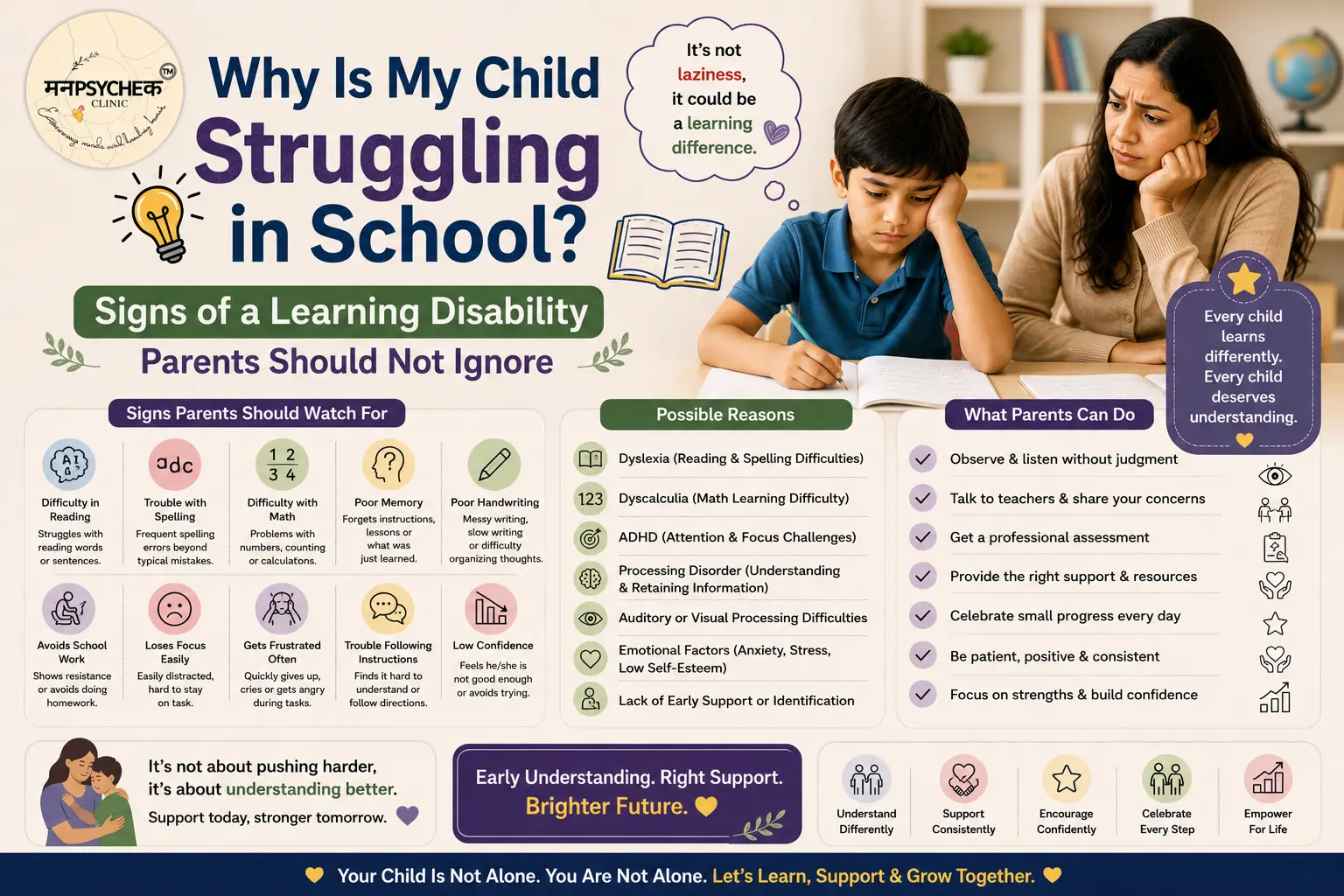
Many parents feel confused and worried when their child is intelligent, curious, and well behaved, yet still struggles in school.
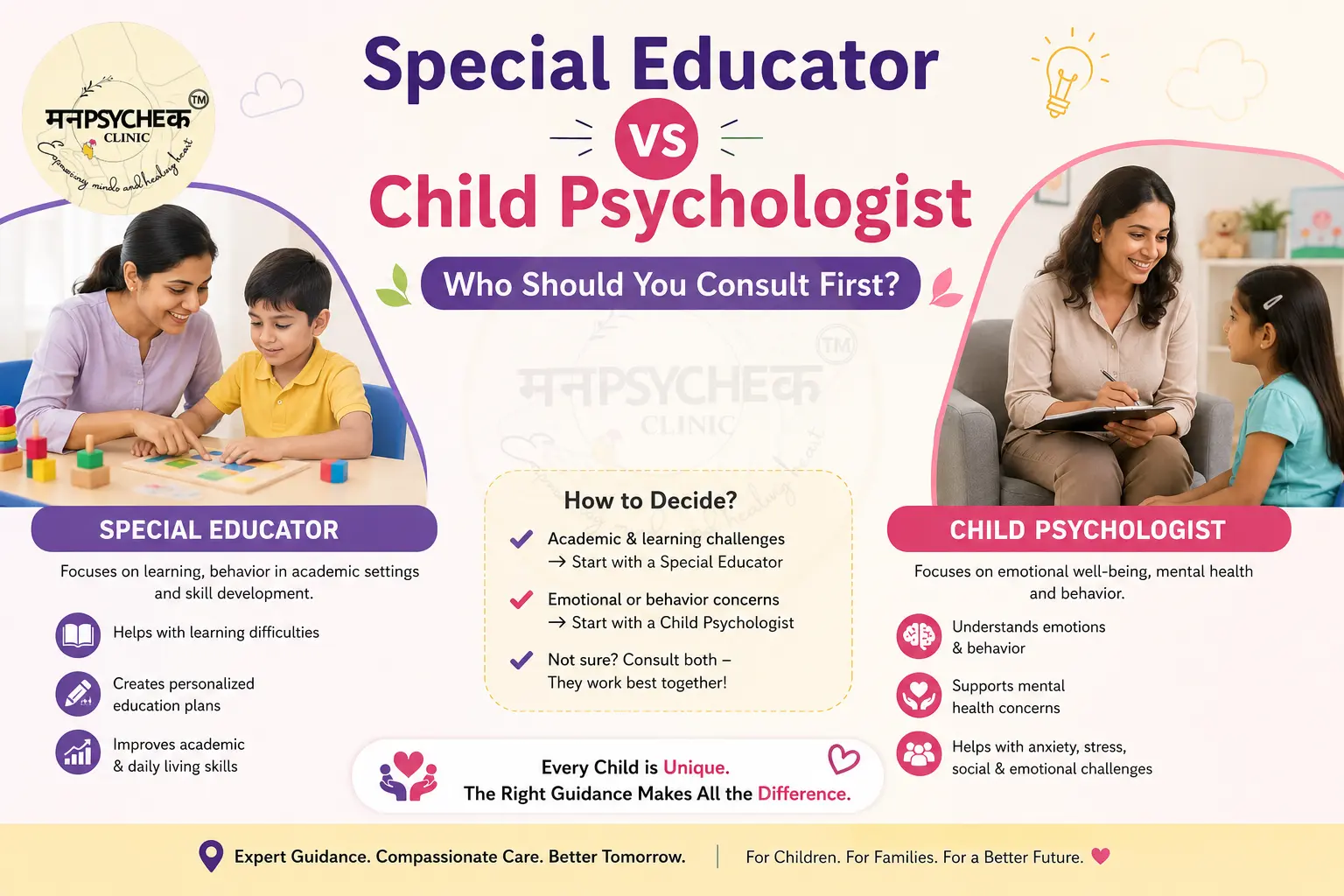
Special Educator vs Child Psychologist: Who Should You Consult First?
You may notice:
- slow reading
- poor writing
- weak spelling
- trouble understanding lessons
- repeated mistakes in homework
- low confidence in class
At first, parents often think the child is lazy, careless, or not trying hard enough. In many cases, that is not the real problem.
The child may be showing signs of a learning disability.
This guide will help parents understand the early signs of learning difficulty in school-age children, what to watch for at home and school, and when to seek professional support from a child psychologist in Dwarka or a child development centre in Dwarka.
What Is a Learning Disability?
A learning disability is a difficulty in how a child learns, processes, or uses information.
It does not mean the child is less intelligent.
In fact, many children with learning disabilities are bright and creative. They simply need a different way of learning and extra support in certain areas.
Common learning areas affected include:
- reading
- writing
- spelling
- mathematics
- memory
- attention
- following instructions
Signs of Learning Disability in School-Age Children
Parents should pay attention if a child shows several of the following signs consistently.
1. Trouble Reading
One of the most common signs is difficulty with reading.
Your child may:
- read very slowly
- guess words instead of reading them properly
- skip lines while reading
- struggle to understand what they read
- avoid reading aloud
If reading is always a struggle, it should not be ignored.
2. Poor Spelling
Children with learning difficulties may have ongoing spelling problems even after repeated practice.
They may:
- spell the same word differently each time
- forget basic spellings
- struggle to remember sight words
- mix up similar-looking letters
This can affect both writing and confidence in school.
3. Difficulty Writing
Writing problems can show up in several ways.
A child may:
- write very slowly
- have messy handwriting
- leave out letters or words
- struggle to organize thoughts on paper
- get tired quickly while writing
Many parents first notice this when homework takes much longer than expected.
4. Weak Math Skills
Some children struggle with number concepts, even when they try hard.
Signs may include:
- trouble counting
- difficulty understanding basic addition or subtraction
- confusion with word problems
- mixing up number sequences
- forgetting math steps easily
This can be a sign of a specific learning difficulty in mathematics.
5. Short Attention Span During Academic Tasks
A child may appear careless or distracted, but the real issue may be that school tasks feel too difficult or overwhelming.
You may notice:
- poor focus during homework
- forgetting instructions
- losing track of work
- avoiding tasks that require concentration
This may happen along with attention concerns or learning difficulties.
6. Trouble Following Instructions
Children with learning disabilities often struggle to process and remember multi-step instructions.
For example, if you say:
"Take out your book, write the answer, and put your notebook in the bag,"
your child may only complete one step.
This is often mistaken for not listening, but it may be a processing issue.
7. Difficulty Remembering What Was Learned
A child may learn something one day and forget it the next.
This can appear as:
- forgetting spelling rules
- forgetting math steps
- forgetting classroom instructions
- needing repeated reminders
Memory problems are often linked with learning difficulties.
8. Avoidance of Schoolwork
Children often avoid tasks that make them feel frustrated or embarrassed.
You may notice:
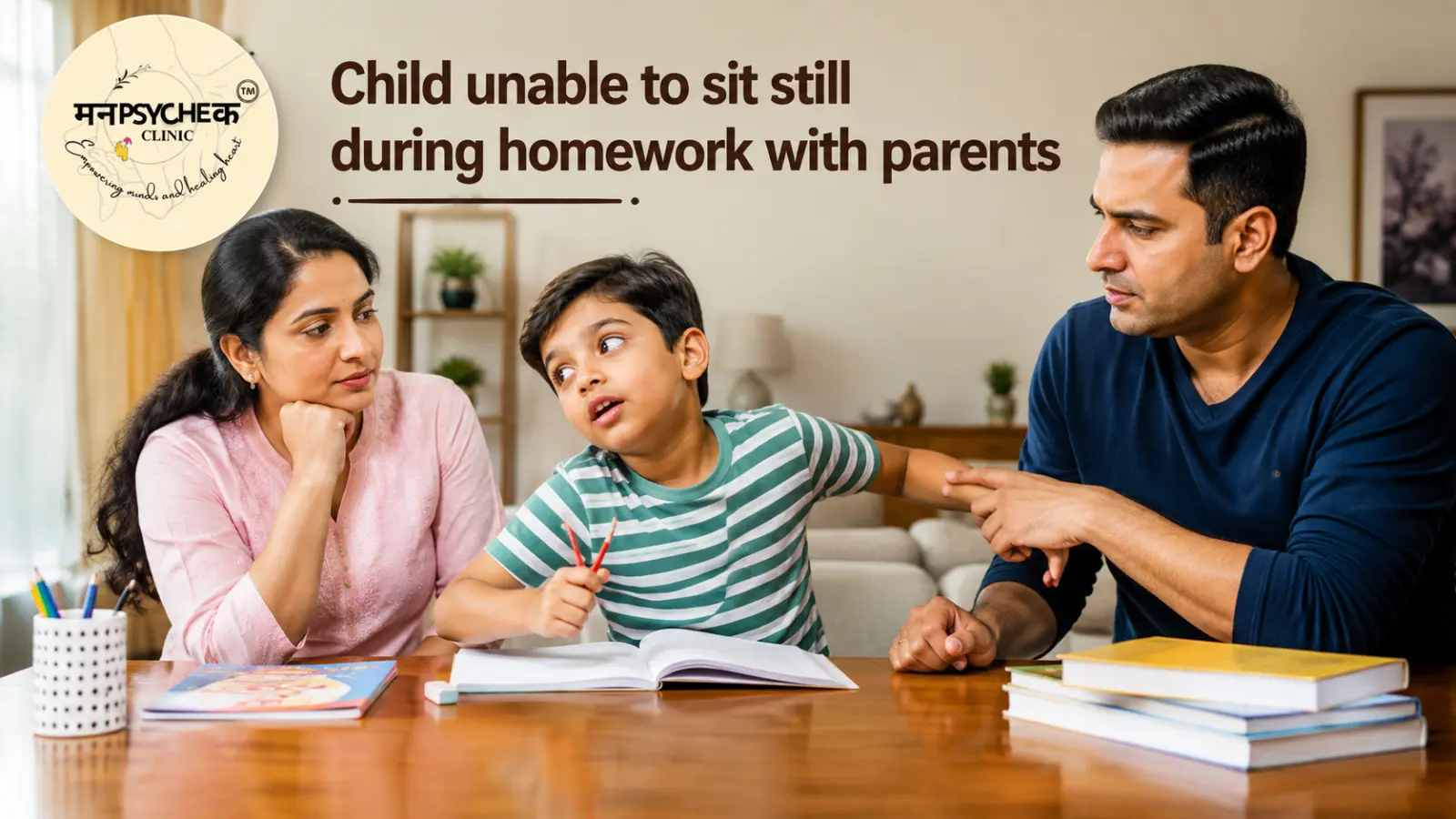
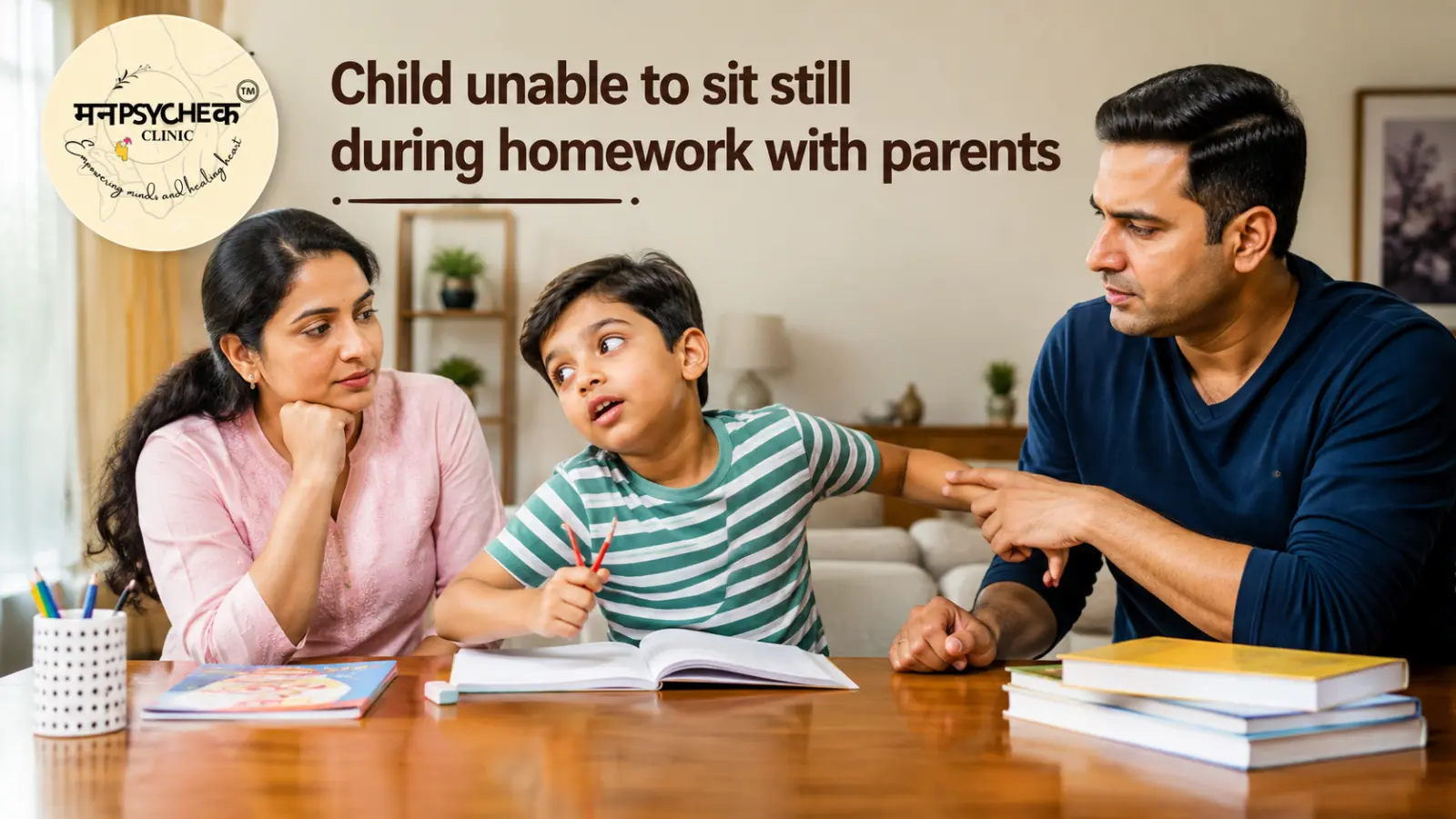
- complaints before homework time
- crying over schoolwork
- frequent excuses
- resistance to reading or writing
- anger during study time
Avoidance is often a sign that the child is struggling more than they can express.
9. Low Confidence
Learning difficulties can affect a child emotionally.
The child may say things like:
- "I am stupid."
- "I cannot do this."
- "Everyone is better than me."
Low self-esteem is common in children who struggle academically for a long time.
10. Big Gap Between Effort and Results
Sometimes a child works very hard but still does not perform at the expected level.
This is one of the clearest warning signs.
If your child studies, practices, and tries their best but still struggles, it may be time for a proper assessment.
Learning Disability vs Poor Performance
Not every weak report card means a learning disability.
A child may perform poorly because of:
- lack of practice
- stress
- poor sleep
- emotional issues
- frequent absences
- teaching mismatch
A learning disability is more likely when the difficulty is persistent, specific, and not improving with regular effort.
Common Types of Learning Disabilities
Dyslexia
Affects reading, decoding words, and spelling.
Dysgraphia
Affects writing, handwriting, and expressing thoughts on paper.
Dyscalculia
Affects number sense, math concepts, and calculations.
Some children may struggle in more than one area.
How Parents Can Spot Learning Difficulties at Home
Parents often notice signs before the school does.
Watch for:
- homework taking too long
- frustration during study time
- repeated mistakes
- poor recall of learned concepts
- confusion with letters, words, or numbers
- emotional distress around academics
If these patterns continue, do not dismiss them.
When Should Parents Seek Help?
You should consider professional support if your child:
- is falling behind academically
- struggles with reading, writing, or math
- avoids schoolwork regularly
- has low self-confidence
- becomes upset during study time
- shows attention or memory problems
- continues to struggle despite practice
Early identification can prevent long-term academic and emotional difficulties.
How a Child Psychologist Can Help
A child psychologist in Dwarka can assess whether the issue is related to:
- learning disability
- attention difficulties
- emotional concerns
- developmental delays
- school-related stress
Assessment helps parents understand the root of the problem instead of guessing.
A psychologist may also guide parents on next steps such as:
- special education support
- behaviour strategies
- school accommodations
- therapy referrals
- parent training
How a Child Development Centre in Dwarka Can Help
A good child development centre in Dwarka may offer:
- developmental assessment
- child psychology services
- special education
- speech therapy
- occupational therapy
- behaviour therapy
- academic support planning
Children with learning difficulties often benefit most when support is combined and personalized.
What Parents Can Do at Home :-
Be Patient
Avoid comparing your child to siblings or classmates.
Use Simple Instructions
Break tasks into smaller steps.
Praise Effort
Encourage the child for trying, not only for results.
Create a Calm Study Space
Reduce distractions during homework time.
Work With Teachers
School feedback is extremely useful for understanding the child’s difficulties.
Why Families in Dwarka Seek Early Support
Parents searching for:
- child psychologist in Dwarka
- learning disability support in Dwarka
- child development centre in Dwarka
- special education in Dwarka
- academic support for children
usually want practical help before the problem becomes bigger.
Early intervention can improve:
- confidence
- reading
- writing
- classroom participation
- emotional well-being
- school performance
Why Families Choose KS Mannpsyche India Private Limited
Many families looking for a child psychologist in Dwarka want more than just a diagnosis. They want a clear plan.
At KS Mannpsyche India Private Limited, children can receive:
- developmental assessment
- learning support guidance
- child behaviour therapy
- special education support
- parent counseling
- academic intervention planning
Under the guidance of Saurav Deep, RCI Certified Psychologist and Behaviour Therapist, families receive individualized, evidence-based support designed to help children learn better, feel better, and perform better in daily life.
Final Thoughts
A child who struggles in school is not always lazy or careless. In many cases, the child is dealing with a learning difficulty that needs the right support.
The earlier parents recognize the signs, the sooner they can help their child build confidence, skills, and a healthier relationship with learning.
If your child is having repeated problems with reading, writing, spelling, or math, a professional evaluation from a child psychologist in Dwarka or child development centre in Dwarka can provide clarity and direction.
Frequently Asked Questions
Q1. What are the first signs of a learning disability in children?
A1. Common signs include difficulty reading, spelling, writing, math, remembering lessons, and following instructions.
Q2. Can a child with a learning disability be intelligent?
A2. Yes. Learning disabilities do not mean low intelligence. Many children are bright but learn differently.
Q3. Should I consult a psychologist if my child is struggling in school?
A3. Yes. A child psychologist can help determine whether the issue is a learning disability, attention problem, or another concern.
Q4. Can learning disabilities improve?
A4. Children can make strong progress with early assessment, special education support, and the right interventions.
Q5. Where can I get help in Dwarka?
A5. Parents can seek support from a child psychologist in Dwarka or a child development centre in Dwarka for assessment and guidance.
Author:
Saurav Deep,
RCI Certified Psychologist
Saurav Deep is an RCI Certified Psychologist and Behaviour Therapist based in Dwarka, New Delhi. He specializes in child psychology, behavioural therapy, ADHD management, autism support, anxiety counseling, stress management, and family guidance. Through KS Mannpsyche India Private Limited, he provides both online and offline psychological services to children, adolescents, and adults.