Home › Autism › Autism or ADHD? How Parents Can Tell the Difference A Complete Guide
Autism or ADHD? How Parents Can Tell the Difference A Complete Guide

Autism or ADHD? How Parents Can Tell the Difference
Many parents notice that something seems different about their child's development, behaviour, or learning but struggle to understand exactly what is happening.
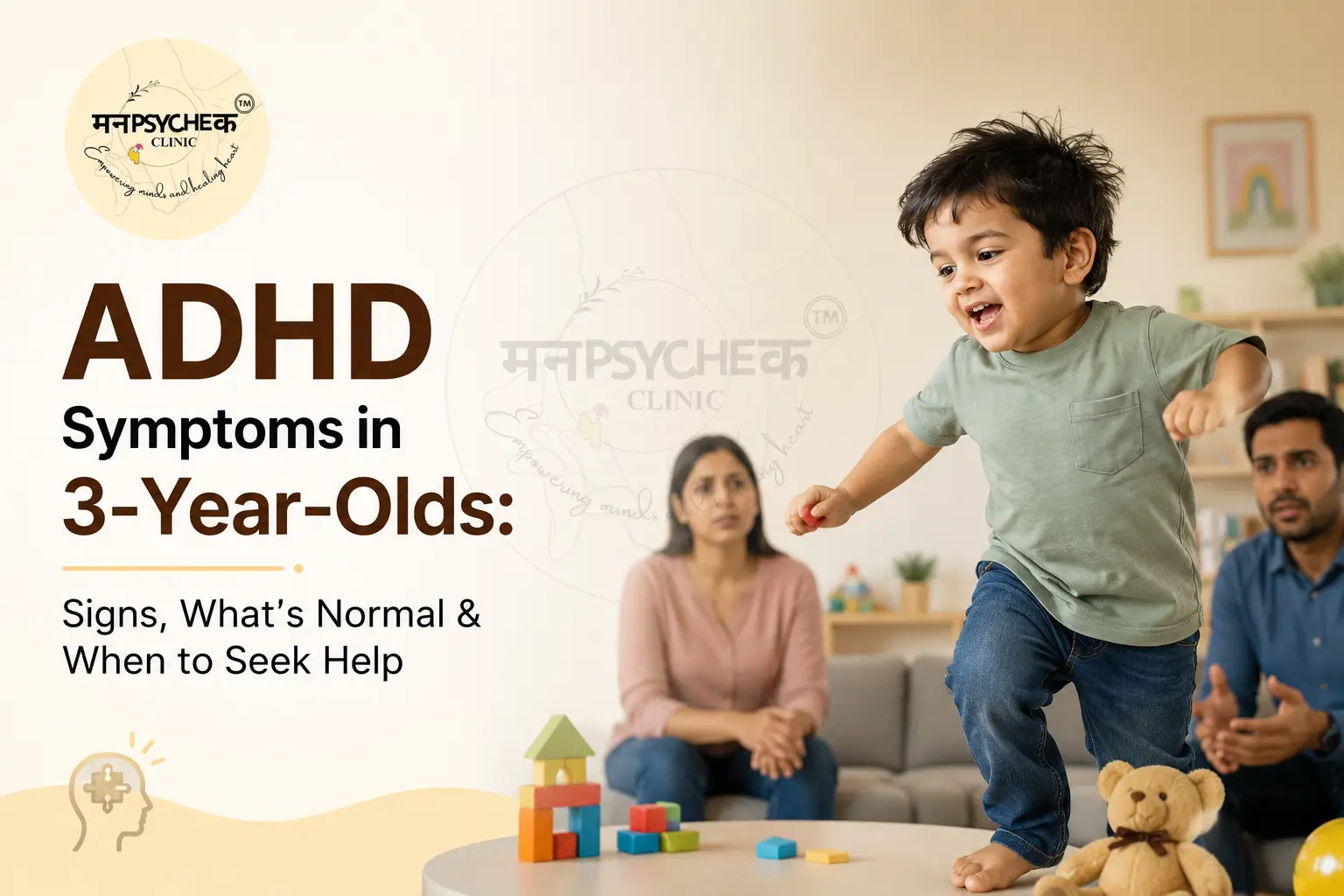
ADHD Symptoms in 3-Year-Olds: Signs, What’s Normal & When to Seek Help
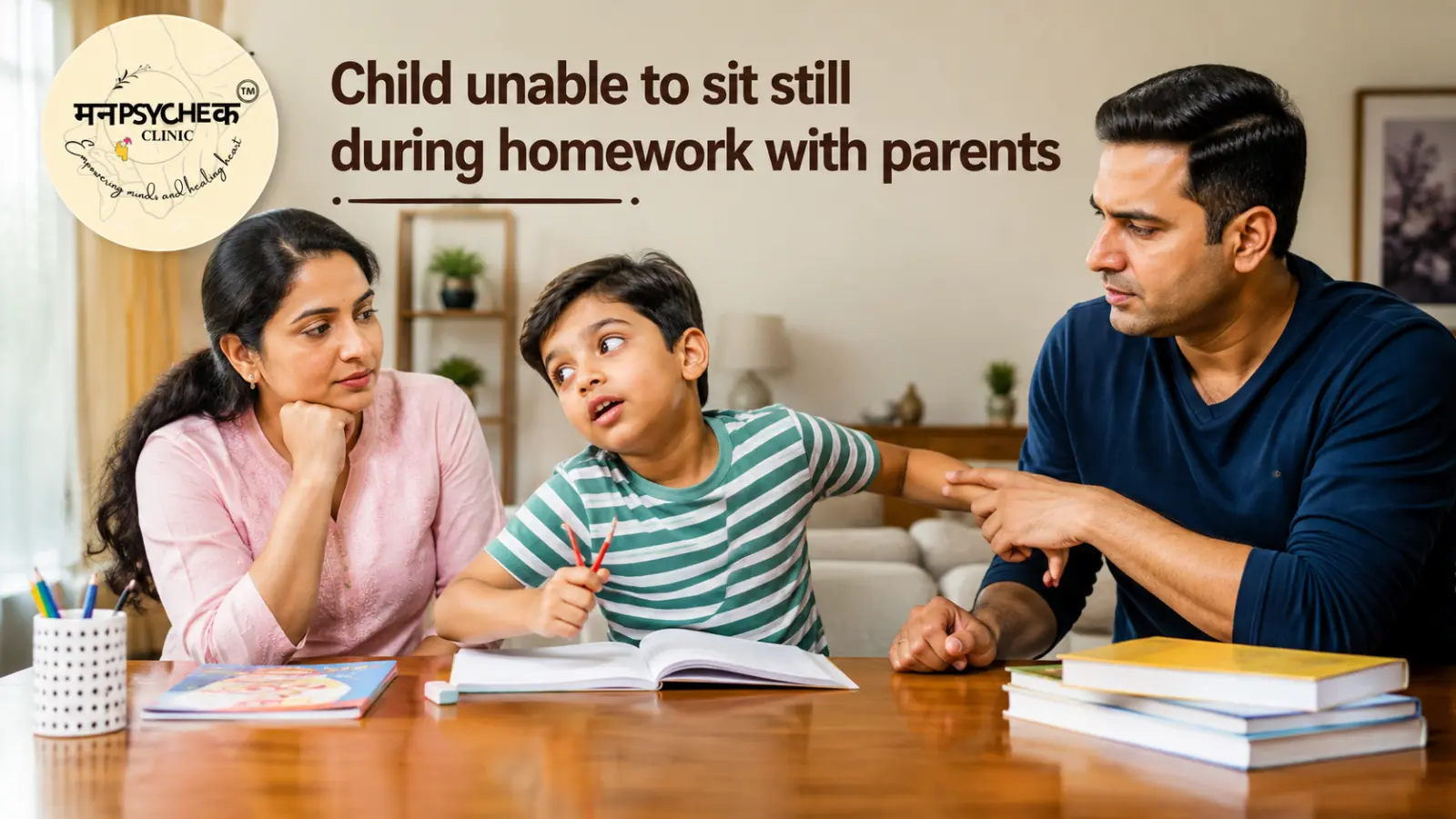
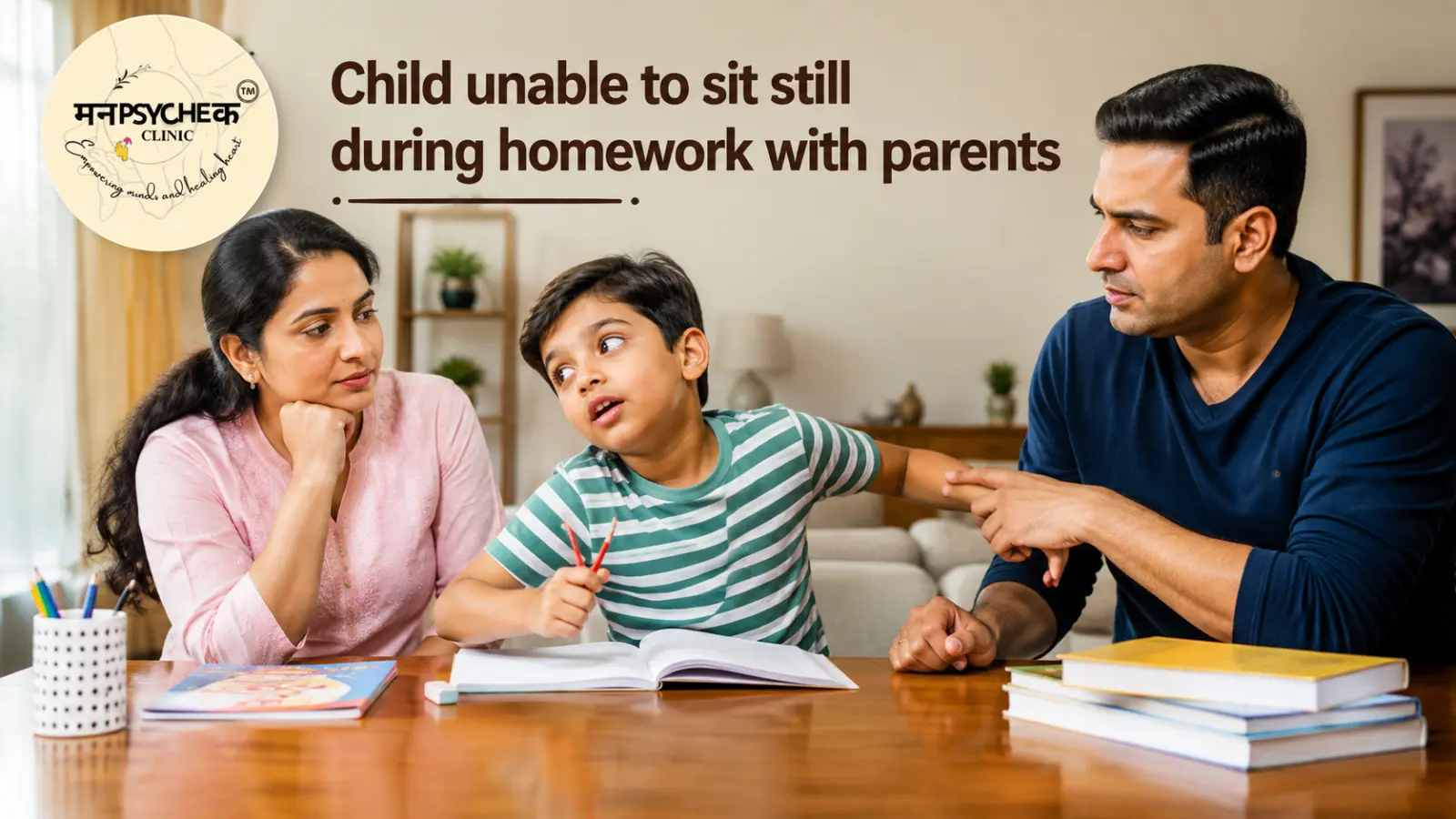
Why Can't My Child Sit Still? Causes, ADHD Signs & What Parents Can Do
You may find yourself searching:
- "Does my child have autism or ADHD?"
- "What is the difference between autism and ADHD?"
- "My child doesn't listen, is it ADHD?"
- "My child avoids eye contact, is it autism?"
- "Can a child have both autism and ADHD?"
These are important questions.
Both Autism Spectrum Disorder (ASD) and Attention-Deficit/Hyperactivity Disorder (ADHD) are common neurodevelopmental conditions that can affect a child's behaviour, communication, learning, and social interactions.
Because some symptoms overlap, many parents find it difficult to tell the difference.
The good news is that understanding the key signs can help parents know when to seek professional guidance.
What Is Autism?
Autism Spectrum Disorder (ASD) primarily affects:
- Social communication
- Social interaction
- Behaviour patterns
- Sensory processing
Children with autism often experience difficulty understanding and navigating social situations.
Autism symptoms usually become noticeable during early childhood, although some children are identified later.
Common Autism Symptoms
Children with autism may:
- Show limited eye contact
- Have delayed speech
- Prefer playing alone
- Struggle with social interaction
- Use repetitive language
- Follow strict routines
- Have intense interests
- Show sensory sensitivities
Every autistic child is unique, and symptoms can vary significantly.
What Is ADHD?
ADHD (Attention-Deficit/Hyperactivity Disorder) primarily affects:
- Attention
- Impulse control
- Activity level
- Executive functioning
Children with ADHD often know what they should do but struggle to consistently regulate their behaviour.
Common ADHD Symptoms
Children with ADHD may:
- Be easily distracted
- Forget instructions
- Lose belongings
- Act impulsively
- Interrupt others
- Have difficulty waiting
- Struggle to sit still
- Make careless mistakes
ADHD affects attention and self-regulation rather than social understanding.
Autism vs ADHD: Quick Comparison Table
| Area | Autism Symptoms | ADHD Symptoms |
|---|---|---|
| Eye Contact | Often reduced | Usually age-appropriate |
| Social Understanding | Difficulty understanding social cues | Understands cues but may act impulsively |
| Friendships | May struggle to develop social relationships | Wants friendships but may have difficulty maintaining them |
| Communication | May have delayed speech or unusual language patterns | Speech usually develops typically |
| Attention | May focus intensely on specific interests | Easily distracted across activities |
| Routines | Strong preference for routines and predictability | Often dislikes structure and routine |
| Hyperactivity | May or may not be present | Common symptom |
| Impulsivity | Less central feature | Core symptom |
| Sensory Issues | Frequently present | Can occur but less prominent |
| Repetitive Behaviours | Common | Less common |
This table provides general differences, but professional assessment is necessary for accurate diagnosis.
Shared Symptoms That Confuse Parents
This is where many families become uncertain.
Autism and ADHD can share several behaviours.
Difficulty Paying Attention
Children with autism and ADHD may both appear inattentive.
However:
1.ADHD
Attention shifts easily.
2.Autism
Attention may become intensely focused on preferred interests.
3.Social Difficulties
Both conditions can affect friendships.
However:
4.Autism
The challenge often involves understanding social interaction.
5.ADHD
The challenge often involves impulsivity and self-control.
6.Emotional Outbursts
Children with both conditions may experience:
- Meltdowns
- Frustration
- Emotional dysregulation
The underlying reasons may differ.
Difficulty Following Instructions
Parents commonly report:
"My child never listens."
This can occur in both autism and ADHD for different reasons.
Can a Child Have Both Autism and ADHD?
Yes.
This is one of the most important facts parents should know.
Research shows that many children meet criteria for both conditions.
A child may experience:
- Autism symptoms
- ADHD symptoms
- Social communication difficulties
- Attention difficulties
simultaneously.
This is why professional evaluation is essential.
Signs That May Point More Toward Autism
Parents should pay attention if they notice:
- Limited eye contact
- Delayed speech
- Difficulty with social reciprocity
- Repetitive behaviours
- Sensory sensitivities
- Strong attachment to routines
- Limited pretend play
These signs may warrant an autism assessment.
Signs That May Point More Toward ADHD
Parents should consider ADHD if they notice:
- Constant movement
- Difficulty sitting still
- Frequent interruptions
- Forgetfulness
- Disorganization
- Poor attention span
- Impulsive behaviour
These symptoms often become more noticeable during school years.
Common Myths About Autism and ADHD
Myth 1:
Autism and ADHD Are the Same Thing
False.
Although some symptoms overlap, they are distinct conditions.
Myth 2:
Good Eye Contact Rules Out Autism
False.
Some autistic children maintain eye contact, especially as they grow older.
Myth 3:
Hyperactivity Means ADHD
False.
Hyperactivity can occur due to anxiety, sensory needs, sleep difficulties, or other developmental factors.
Myth 4:
Children Outgrow ADHD
ADHD symptoms often continue into adolescence and adulthood, although they may change over time.
Why Early Assessment Matters
Early identification helps children access support sooner.
Benefits include:
- Improved communication skills
- Better emotional regulation
- Stronger social skills
- Enhanced academic performance
- Reduced family stress
Waiting for difficulties to "go away" can delay intervention.
How Professional Assessment Works
Parents searching for:
- Autism assessment Dwarka
- ADHD assessment Dwarka
- Child psychologist Dwarka
- Child development centre Dwarka
often ask what evaluation involves.
A comprehensive assessment may include:
Parent Interview
Understanding developmental history.
Behavioural Observation
Evaluating social interaction and behaviour.
Teacher Feedback
Understanding functioning across settings.
Standardized Assessment Tools
Evidence-based screening and evaluation measures.
Developmental Assessment
Examining communication, behaviour, attention, and social skills.
No single behaviour confirms autism or ADHD.
The overall developmental picture is what matters.
How a Child Psychologist in Dwarka Can Help
A child psychologist in Dwarka can assess:
- Autism symptoms
- ADHD symptoms
- Social communication difficulties
- Behavioural concerns
- Emotional regulation
- Developmental delays
Assessment helps identify strengths, challenges, and appropriate intervention plans.
Autism and ADHD Support in Dwarka
Parents searching for:
- Autism assessment Dwarka
- ADHD assessment Dwarka
- Child psychologist Dwarka
- Behaviour therapy Dwarka
- Child development centre Dwarka
often benefit from multidisciplinary support including:
- Developmental Assessment
- Behaviour Therapy
- Parent Training Programs
- Social Skills Training
- ADHD Support Programs
- Autism Intervention Programs
Why Families Choose KS Mannpsyche India Private Limited
Many families seek support when they notice:
- Autism symptoms
- ADHD symptoms
- Speech delays
- Social difficulties
- Hyperactivity
- Learning challenges
At KS Mannpsyche India Private Limited, children receive individualized developmental assessments and intervention planning.
Services include:
- Child Psychology Consultation
- Autism Assessment
- ADHD Assessment
- Behaviour Therapy
- Parent Counseling
- Social Skills Training
- Developmental Assessment
Under the guidance of Saurav Deep, RCI Certified Psychologist and Behaviour Therapist, families receive evidence-based support designed to improve communication, behaviour, attention, social skills, and overall child development.
Final Thoughts
Autism and ADHD can sometimes look similar from the outside.
However, the reasons behind the behaviours are often very different.
Instead of asking:
"Does my child have autism or ADHD?"
A more helpful question is:
"What developmental challenges is my child experiencing, and what support do they need?"
Professional assessment helps answer that question accurately.
The earlier children receive appropriate support, the greater the opportunity for positive developmental outcomes.
Frequently Asked Questions
Q1. What is the main difference between autism and ADHD?
A1. Autism primarily affects social communication and behaviour patterns, while ADHD primarily affects attention, impulse control, and activity levels.
Q2. Can a child have both autism and ADHD?
A2. Yes. Many children meet criteria for both conditions and may benefit from comprehensive assessment.
Q3. Does poor eye contact always mean autism?
A3. No. Poor eye contact can occur for several reasons and should be evaluated alongside other developmental signs.
Q4. Can ADHD cause social difficulties?
A4. Yes. Children with ADHD may struggle socially due to impulsivity, inattention, and difficulty regulating behaviour.
Q5. When should I seek an autism or ADHD assessment?
A5. Consider professional evaluation if symptoms affect communication, learning, behaviour, social interaction, or daily functioning.