Home › ADHD › Is My Child Hyperactive or ADHD? A Parent's Guide
Is My Child Hyperactive or ADHD? A Parent's Guide

Many parents find themselves asking:
Why Can’t My Child Sit Still? Causes, ADHD Signs & What Parents Can Do
- "Why is my child always moving?"
- "Why can't my child sit still?"
- "Is my child simply energetic, or could it be ADHD?"
- "When should I be concerned about hyperactivity?"
Children are naturally active, curious, and energetic. Running, climbing, talking, and exploring are all normal parts of childhood. However, when hyperactivity begins affecting learning, relationships, daily routines, and emotional well-being, it may be time to look deeper.
Understanding the difference between normal childhood energy and ADHD in children can help parents make informed decisions and seek support when needed.
In this guide, we'll explore ADHD symptoms, possible causes, warning signs, treatment options, and how parents can support their child's development.
What Is ADHD?
ADHD stands for Attention-Deficit/Hyperactivity Disorder.
It is a neurodevelopmental condition that affects:
- Attention and concentration
- Impulse control
- Activity levels
- Organization skills
- Emotional regulation
An ADHD child may struggle to focus, stay organized, control impulses, or remain seated when expected.
ADHD is one of the most common developmental conditions diagnosed during childhood.
Hyperactivity vs Normal Childhood Energy
One of the biggest misconceptions is that every active child has ADHD.
This is not true.
Normal Childhood Energy
Children may:
- Run and play actively
- Become excited easily
- Talk a lot
- Occasionally lose focus
- Become restless during long tasks
These behaviours are generally age-appropriate and manageable.
ADHD-Related Hyperactivity
Hyperactivity becomes concerning when it:
- Occurs across multiple settings
- Continues over a long period
- Interferes with school performance
- Affects friendships
- Creates difficulties at home
A child with ADHD often struggles even when they want to behave appropriately.
Common ADHD Symptoms in Children
ADHD symptoms generally fall into three categories:
1. Inattention
An ADHD child may:
- Be easily distracted
- Lose belongings frequently
- Forget instructions
- Make careless mistakes
- Struggle to complete tasks
- Have difficulty following conversations
Parents often hear teachers say:
"Your child is intelligent but cannot stay focused."
2. Hyperactivity
Hyperactivity may include:
- Constant movement
- Fidgeting
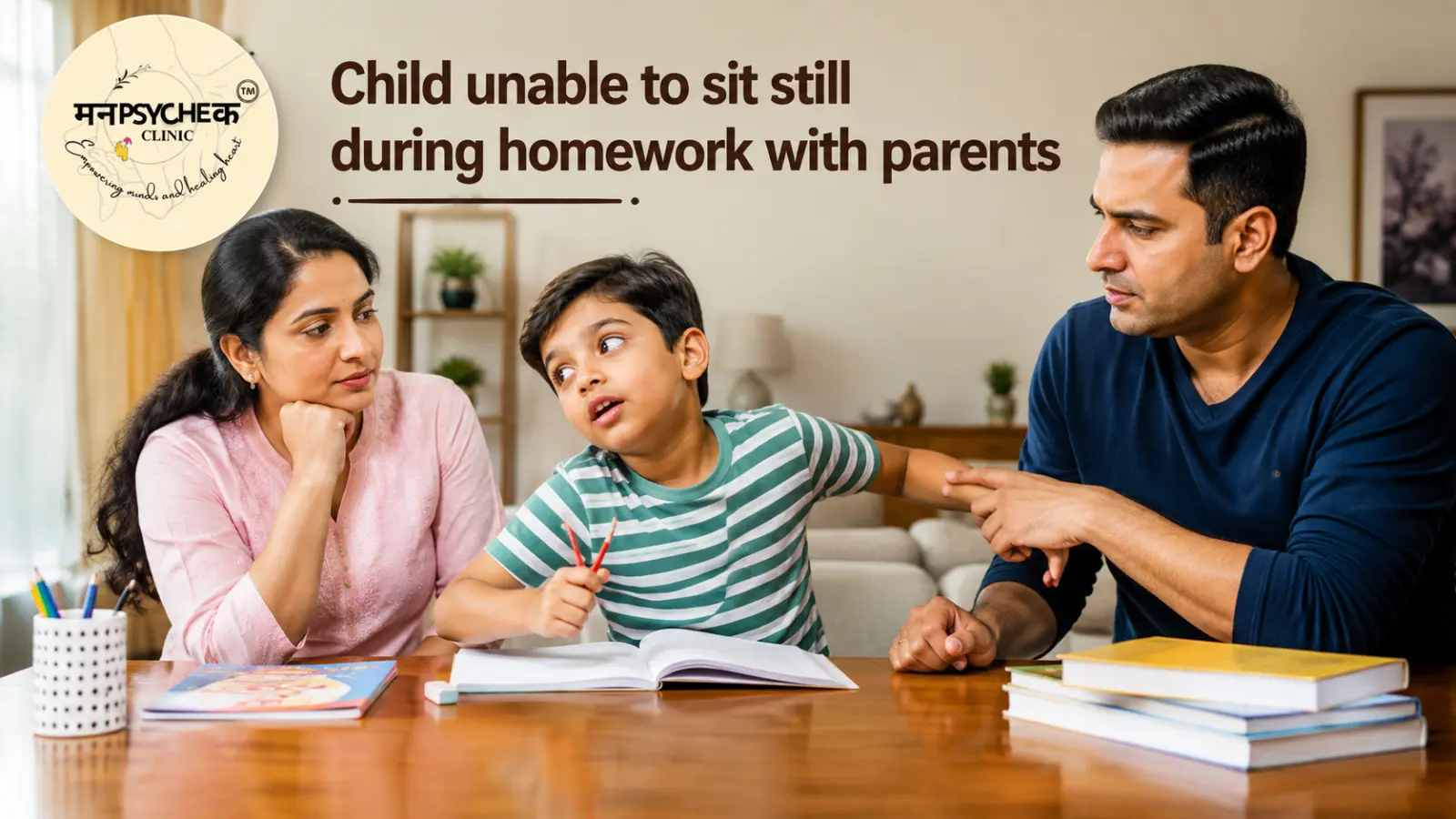
- Difficulty remaining seated
- Running or climbing excessively
- Excessive talking
- Difficulty engaging in quiet activities
Many parents first notice these hyperactivity symptoms during preschool or early school years.
3. Impulsivity
Children may:
- Interrupt conversations
- Answer questions before they are completed
- Struggle to wait their turn
- Act without thinking about consequences
- Take unnecessary risks
Impulsivity often causes social and academic difficulties.
Signs of ADHD by Age
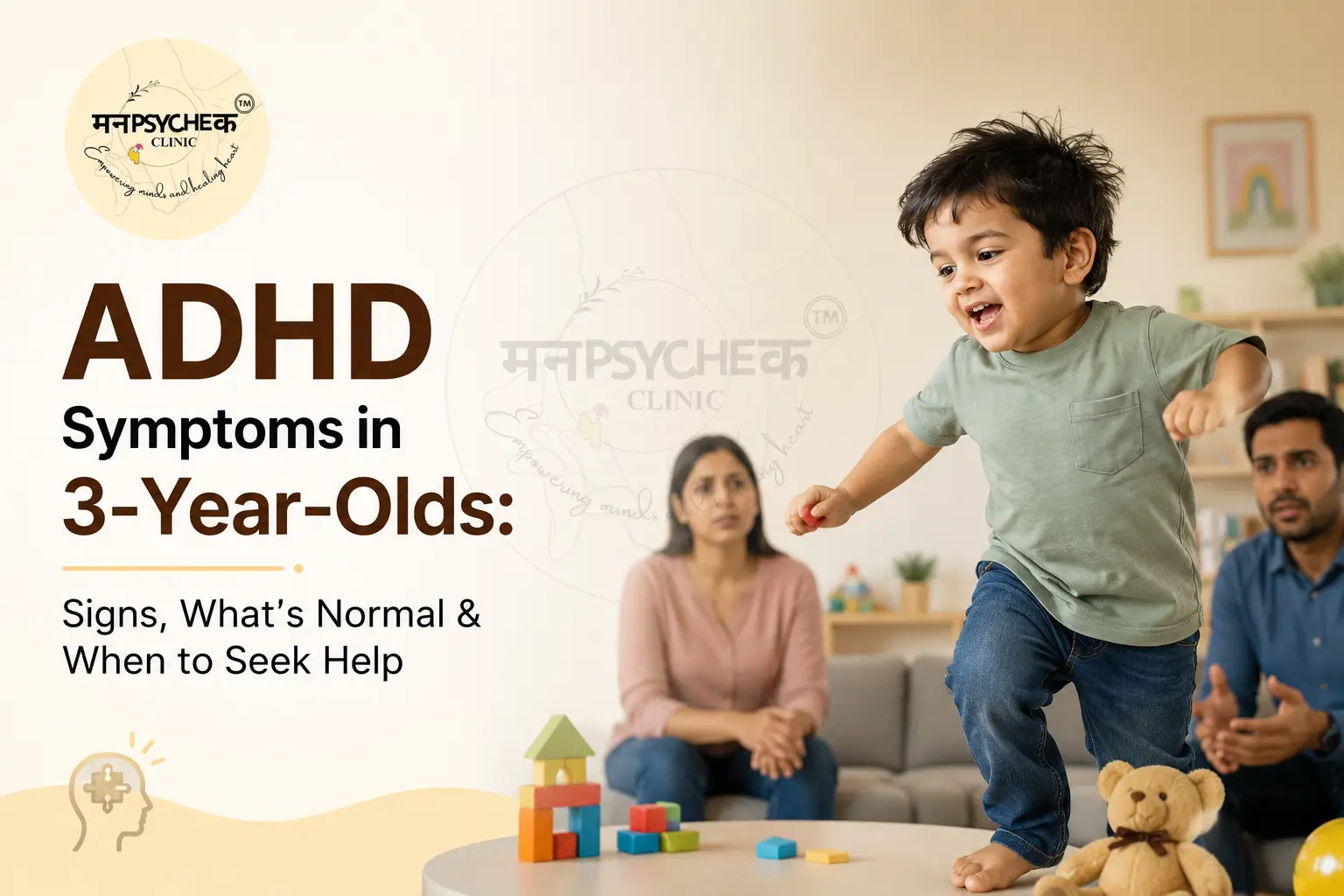
Preschool Children (3–5 Years)
Possible signs include:
- Excessive activity levels
- Difficulty following simple instructions
- Frequent emotional outbursts
- Constant movement
- Short attention span
School-Age Children (6–12 Years)
Parents and teachers may notice:
- Poor concentration
- Academic difficulties
- Forgetfulness
- Difficulty completing homework
- Behaviour concerns in class
Teenagers
ADHD may appear as:
- Poor time management
- Disorganization
- Impulsive decisions
- Emotional difficulties
- Academic underachievement
Causes of ADHD
Researchers believe ADHD develops due to a combination of factors.
Genetics
ADHD often runs in families.
Children with a family history of ADHD may have a higher likelihood of developing the condition.
Brain Development Differences
Studies suggest differences in areas of the brain responsible for:
- Attention
- Self-control
- Executive functioning
Environmental Factors
Some risk factors may include:
- Premature birth
- Low birth weight
- Prenatal exposure to substances
- Certain neurological factors
What ADHD Is NOT Caused By
Many myths continue to circulate.
ADHD is not caused by:
- Poor parenting
- Lack of discipline
- Too much sugar
- Laziness
- Watching television alone
These misconceptions often create unnecessary guilt for parents.
When Should Parents Seek Professional Help?
Consider seeking professional guidance if:
- Hyperactivity is extreme compared to peers
- Teachers regularly express concerns
- Academic performance is affected
- Behaviour causes family stress
- Friendships are difficult to maintain
- Symptoms occur in multiple settings
The earlier concerns are identified, the sooner appropriate support can begin.
How ADHD Is Diagnosed
There is no single test for ADHD.
Assessment may involve:
- Parent interviews
- Teacher feedback
- Behavioural observations
- Developmental history
- Standardized assessments
A comprehensive evaluation helps identify strengths, challenges, and appropriate interventions.
Treatment Options for ADHD in Children
ADHD management is most effective when individualized to the child's needs.
Behaviour Therapy
Behaviour therapy helps children:
- Improve self-control
- Develop routines
- Follow instructions
- Increase positive behaviours
Parents are often trained to use effective behaviour management strategies at home.
Parent Training Programs
Parents learn:
- Positive reinforcement techniques
- Behaviour management strategies
- Emotional regulation support
- Consistent discipline approaches
School-Based Support
Many children benefit from:
- Classroom accommodations
- Structured routines
- Behaviour support plans
- Teacher collaboration
Social Skills Training
Children with ADHD may struggle socially.
Social skills programs can improve:
- Communication
- Peer interactions
- Emotional awareness
- Problem-solving skills
Counseling and Emotional Support
Some children experience:
- Low self-esteem
- Anxiety
- Frustration
- Emotional outbursts
Counseling helps children develop healthier coping strategies.
How Parents Can Help at Home
Create Predictable Routines
Children with ADHD often thrive when daily routines are consistent.
Give Clear Instructions
Use short, simple directions.
Instead of:
"Clean your room."
Try:
"Put your toys in the basket first."
Use Positive Reinforcement
Praise effort and positive behaviour immediately.
Children respond better to encouragement than constant criticism.
Reduce Distractions
Provide quiet spaces for homework and learning activities.
Encourage Physical Activity
Regular exercise can help children manage energy levels and improve focus.
Why Early Intervention Matters
Without support, ADHD symptoms may affect:
- Academic achievement
- Confidence
- Social relationships
- Emotional well-being
Early intervention helps children build skills that support success at home, school, and in everyday life.
Final Thoughts
Many active children are simply energetic, curious, and enthusiastic about the world around them. However, when hyperactivity consistently affects learning, relationships, and daily functioning, it may indicate something more than normal childhood energy.
Recognizing ADHD symptoms early allows families to access appropriate guidance, support, and intervention.
With the right strategies, professional support, and family involvement, children with ADHD can thrive academically, socially, and emotionally.
Frequently Asked Questions
Q1. What is the difference between hyperactivity and ADHD?
A1. Hyperactivity is a symptom, while ADHD is a neurodevelopmental condition involving attention difficulties, impulsivity, and/or hyperactivity.
Q2. At what age can ADHD be diagnosed?
A2. Symptoms often become noticeable during preschool and early school years, although diagnosis may occur later.
Q3. Can ADHD improve with therapy?
A3. Yes. Behaviour therapy, parent training, school support, and counseling can significantly improve functioning and quality of life.
Q4. Does every hyperactive child have ADHD?
A4. No. Many children are naturally energetic. ADHD is diagnosed when symptoms are persistent, significant, and affect daily functioning.
Q5. Should I consult a psychologist if my child shows ADHD symptoms?
A5. If attention difficulties, impulsivity, or hyperactivity are affecting your child's development, learning, or relationships, a professional assessment can help determine the most appropriate support.