Home › Occupational Therapy › Occupational Therapy for Children: Benefits and Signs Your Child May Need It
Occupational Therapy for Children: Benefits and Signs Your Child May Need It

Many parents are familiar with speech therapy and behaviour therapy, but when a professional recommends Occupational Therapy (OT), they often ask:
My Child Is Not Talking | Speech Delay Signs & Speech Therapy in Dwarka
Why Does My Child Cover Their Ears? Understanding Sensory Issues in Children
What exactly is Occupational Therapy?
Does my child really need OT?
How can Occupational Therapy help my child?
These are important questions because Occupational Therapy can play a crucial role in helping children develop the skills they need for everyday life.
Parents searching online often look for:
- Occupational Therapy in Dwarka
- OT for children near me
- Sensory integration therapy in Dwarka
- Child development centre in Dwarka
- Occupational therapist for autism
- Occupational therapy for ADHD
- Fine motor skills therapy for children
If you're wondering whether your child could benefit from Occupational Therapy, this guide will help you understand what OT is, the signs to watch for, and how it can support your child's development.
What Is Occupational Therapy for Children?
Occupational Therapy (OT) helps children develop the physical, sensory, cognitive, and motor skills needed to participate successfully in everyday activities.
These activities include:
- Eating independently
- Holding a pencil
- Dressing themselves
- Playing with peers
- Following classroom routines
- Paying attention during tasks
- Managing sensory experiences
The goal of Occupational Therapy is to help children become more independent, confident, and successful in daily life.
What Does an Occupational Therapist Do?
An Occupational Therapist evaluates how a child functions in everyday environments such as:
- Home
- School
- Playground
- Therapy settings
>The therapist identifies areas where the child may be struggling and develops individualized intervention plans.
Occupational Therapy often focuses on:
- Sensory Processing
- Fine Motor Skills
- Gross Motor Skills
- Handwriting
- Attention and Concentration
- Self-Care Skills
- Emotional Regulation
- Play Skills
Signs Your Child May Need Occupational Therapy
Many children who benefit from Occupational Therapy show signs that parents may initially overlook.
1. Difficulty Holding a Pencil
If your child:
- Holds a pencil awkwardly
- Avoids writing
- Complains that writing is tiring
- Has poor handwriting
- they may have fine motor skill difficulties.
Occupational Therapy can help improve hand strength, grip, and coordination.
2. Delayed Fine Motor Skills
Fine motor skills involve small muscle movements used for:
- Buttoning clothes
- Zipping jackets
- Cutting with scissors
- Drawing
- Using utensils
Children struggling with these tasks may benefit from OT intervention.
3. Frequent Sensory Meltdowns
Some children become overwhelmed by sensory experiences.
Examples include:
- Covering ears during loud sounds
- Refusing certain clothing textures
- Difficulty in crowded environments
- Strong reactions to smells or lights
Occupational Therapy can help children better process sensory information.
4. Poor Attention and Concentration
Children who:
- Constantly move
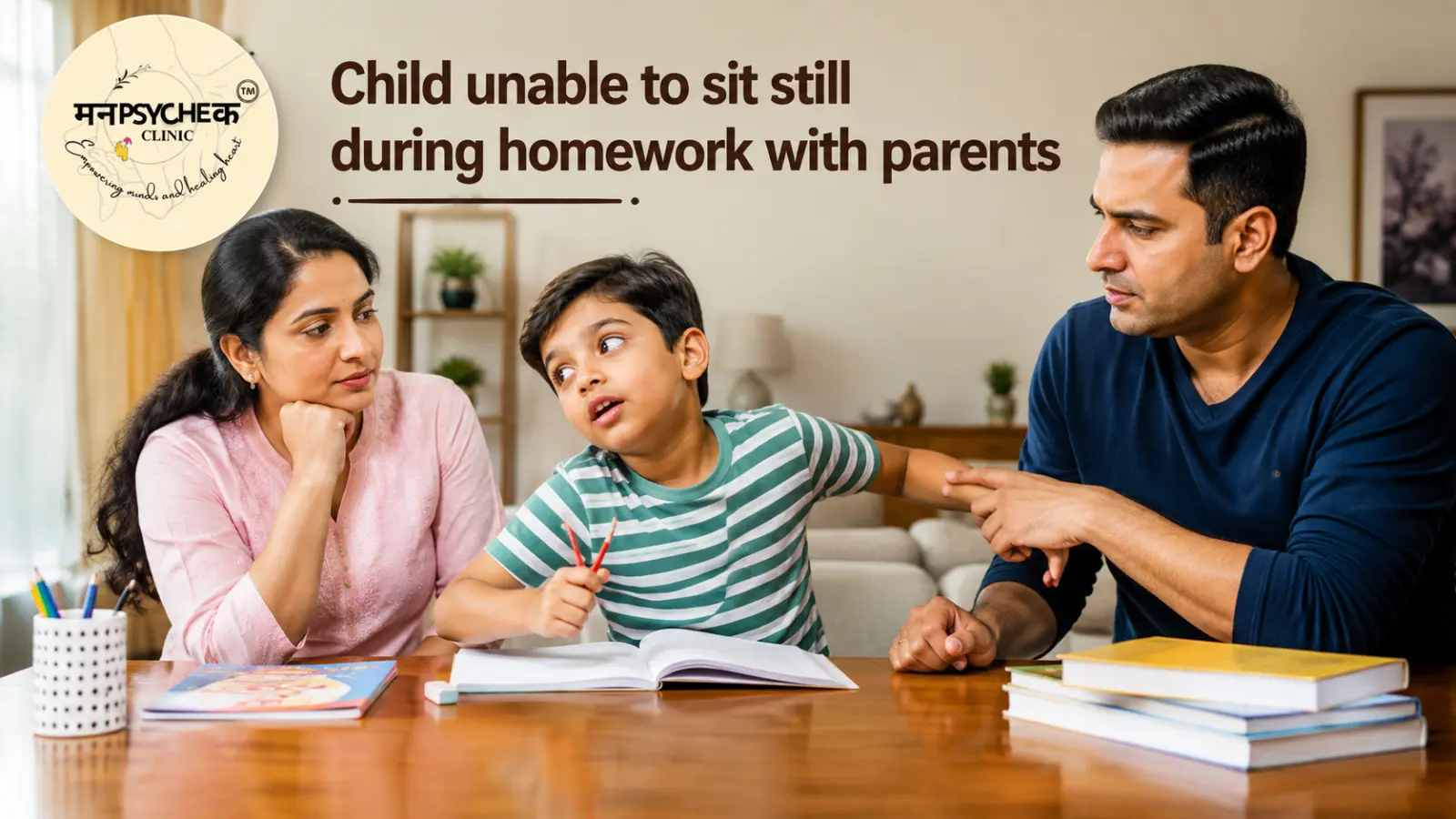
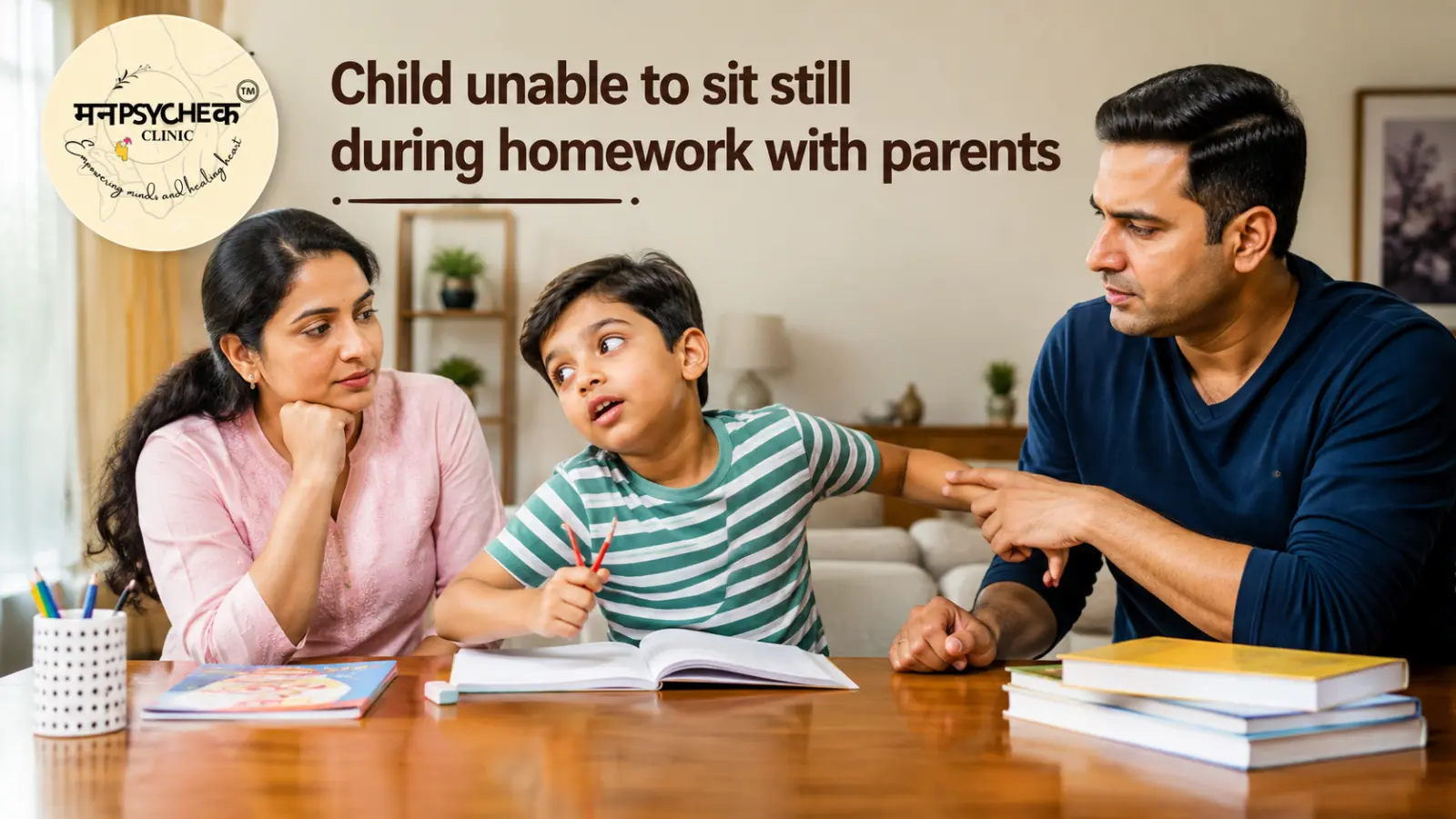
- Struggle to remain seated
- Become easily distracted
may benefit from Occupational Therapy techniques that support attention and self-regulation.
This is particularly common among children with ADHD and developmental challenges.
5. Difficulty With Self-Care Skills
A child may struggle with:
- Brushing teeth
- Dressing independently
- Eating without assistance
- Managing school routines
OT focuses on developing independence in everyday tasks.
6. Poor Balance and Coordination
Parents may notice:
- Frequent falls
- Difficulty riding a bicycle
- Trouble catching a ball
- Clumsiness during physical activities
Occupational Therapy can help strengthen coordination and motor planning skills.
7. Avoiding Play Activities
Play is an important part of child development.
Children who avoid:
- Climbing
- Running
- Drawing
- Building blocks
- Group games
may be experiencing motor or sensory challenges that deserve further evaluation.
Conditions That Often Benefit From Occupational Therapy
Occupational Therapy is commonly recommended for children with:
Autism Spectrum Disorder (ASD)
OT can support:
- Sensory regulation
- Self-care skills
- Play skills
- Social participation
ADHD
Occupational Therapy may help improve:
- Attention
- Impulse control
- Organization skills
- Classroom participation
Developmental Delays
Children with delayed milestones often benefit from structured developmental support.
Learning Difficulties
OT may improve:
- Handwriting
- Classroom readiness
- Attention skills
- Academic participation
Sensory Processing Challenges
Children with sensory difficulties often benefit from sensory integration activities and structured interventions.
What Is Sensory Integration Therapy?
One of the most common components of Occupational Therapy is Sensory Integration Therapy.
This approach helps children better process information received through:
- Touch
- Sound
- Movement
- Vision
- Balance
- Body awareness
Children who struggle with sensory processing may appear:
- Over-sensitive
- Under-responsive
- Easily overwhelmed
- Constantly seeking sensory stimulation
Occupational Therapy helps children learn more adaptive responses to sensory experiences.
Benefits of Occupational Therapy for Children
Occupational Therapy can help children:
Improve Fine Motor Skills
Examples include:
- Writing
- Drawing
- Using scissors
- Manipulating small objects
Increase Independence
Children learn skills such as:
- Dressing
- Eating
- Personal hygiene
Improve Attention and Focus
OT activities often support self-regulation and concentration.
Strengthen Social Participation
Improved sensory and motor skills often make social interaction easier.
Build Confidence
As children become more independent, their confidence often improves as well.
What Happens During an Occupational Therapy Session?
Every child receives an individualized program.
Sessions may include:
- Sensory activities
- Balance exercises
- Fine motor tasks
- Handwriting activities
- Play-based learning
- Self-care skill training
Therapy is designed to be engaging, motivating, and age-appropriate.
How Parents Can Support Occupational Therapy at Home
Parents play an important role in therapy success.
Helpful strategies include:
Encourage Active Play
Activities such as:
- Swinging
- Climbing
- Throwing balls
- Obstacle courses
- can support motor development.
Practice Daily Living Skills
Allow children opportunities to:
- Dress independently
- Help with household tasks
- Organize belongings
Follow Home Programs
Therapists often provide activities that can be practiced between sessions.
Consistency helps accelerate progress.
Why Early Intervention Matters
Many parents hope their child will simply "grow out of" developmental difficulties.
While some challenges improve naturally, waiting too long may delay important support.
Early Occupational Therapy can help children:
- Develop stronger foundational skills
- Improve school readiness
- Increase independence
- Build confidence
- Participate more successfully in daily life
Why Families in Dwarka Seek Occupational Therapy Early
Parents searching for:
- Occupational Therapy in Dwarka
- Sensory integration therapy in Dwarka
- Child development centre in Dwarka
- Occupational therapist for autism
- OT for ADHD in Dwarka
are often looking for practical ways to support their child's development.
Early intervention provides children with opportunities to strengthen skills during critical developmental years.
Why Families Choose KS Mannpsyche India Private Limited
Many families searching for Occupational Therapy in Dwarka seek a centre that provides comprehensive developmental support under one roof.
At KS Mannpsyche India Private Limited, children receive individualized intervention plans designed around their unique developmental needs.
Services include:
- Occupational Therapy in Dwarka
- Support for:
- Sensory Processing Difficulties
- Fine Motor Skills
- Self-Care Skills
- Attention and Regulation
- Handwriting Challenges
- Additional Child Development Services
- Speech Therapy
- ABA Therapy
- Behaviour Therapy
- Special Education
- Child Psychology Services
- Developmental Assessments
Under the guidance of Saurav Deep, RCI Certified Psychologist and Behaviour Therapist, families receive evidence-based support focused on helping children improve independence, confidence, communication, and overall developmental functioning.
Final Thoughts
Occupational Therapy is much more than helping children perform tasks.
It helps children develop the skills needed to participate fully in daily life, school, play, and social activities.
If your child struggles with sensory processing, fine motor skills, handwriting, self-care, attention, or developmental milestones, Occupational Therapy may provide the support they need.
The earlier developmental concerns are identified, the greater the opportunity to help children reach their full potential.
Frequently Asked Questions
Q1. What is Occupational Therapy for children?
A1. Occupational Therapy helps children develop the skills needed for daily living, learning, play, and independence.
Q2. Does Occupational Therapy help children with autism?
A2. Yes. Occupational Therapy can support sensory processing, self-care skills, social participation, and daily functioning.
Q3. Can Occupational Therapy help ADHD?
A3. Many children with ADHD benefit from OT strategies that improve attention, organization, and self-regulation.
Q4. What age can a child start Occupational Therapy?
A4. Children can begin Occupational Therapy whenever developmental concerns are identified, including during the toddler years.
Q5. Where can I find Occupational Therapy in Dwarka?
A5. Parents should look for a child development centre in Dwarka that offers Occupational Therapy alongside speech therapy, behaviour therapy, developmental assessments, and parent guidance programs.