Home › Guidance For Parents › Why Can’t My Child Concentrate? Causes, Signs & What Parents Can Do
Why Can’t My Child Concentrate? Causes, Signs & What Parents Can Do

Many parents quietly worry about the same thing:
Recommended for youWhy Can’t My Child Sit Still? Causes, ADHD Signs & What Parents Can Do
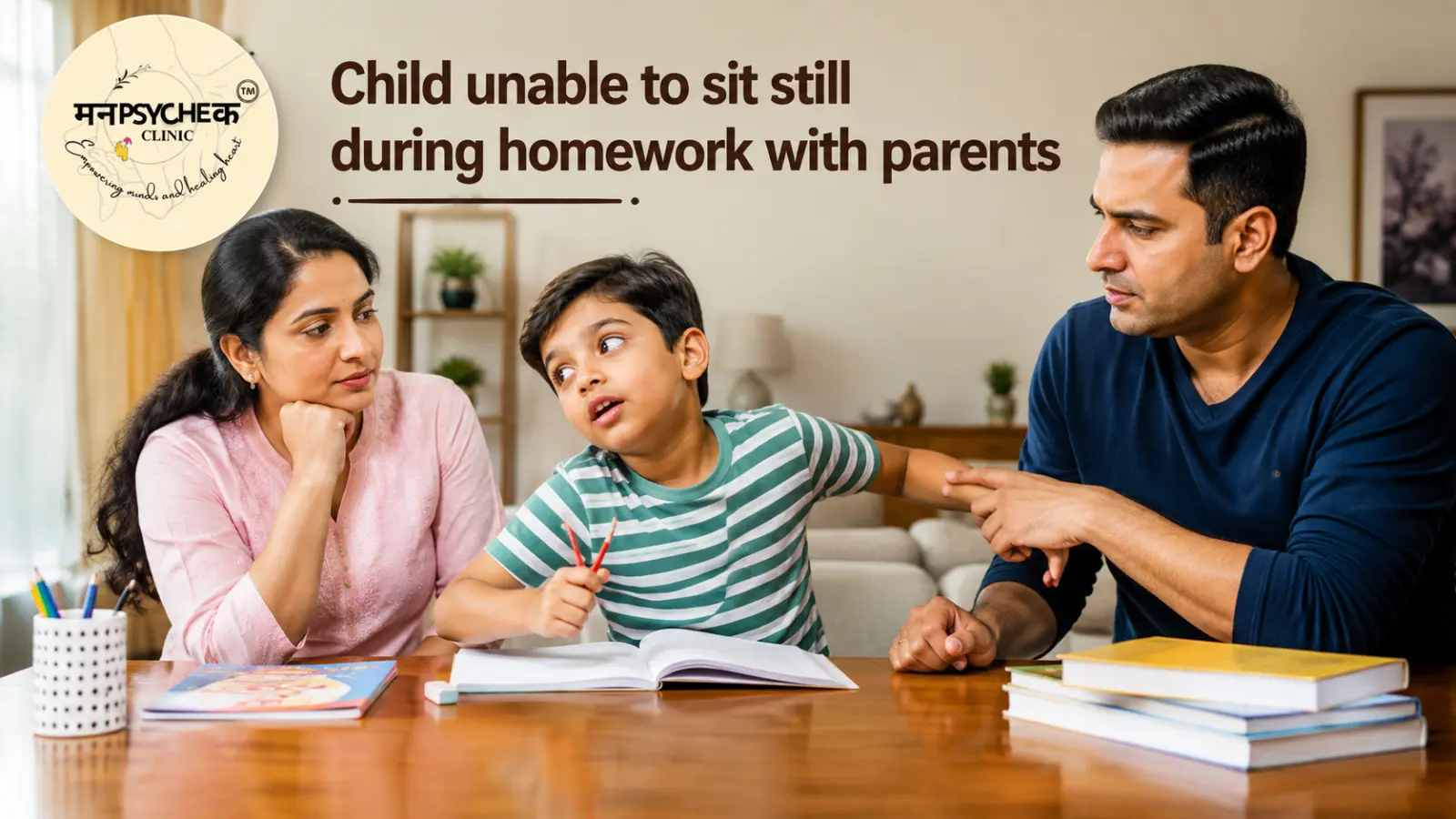
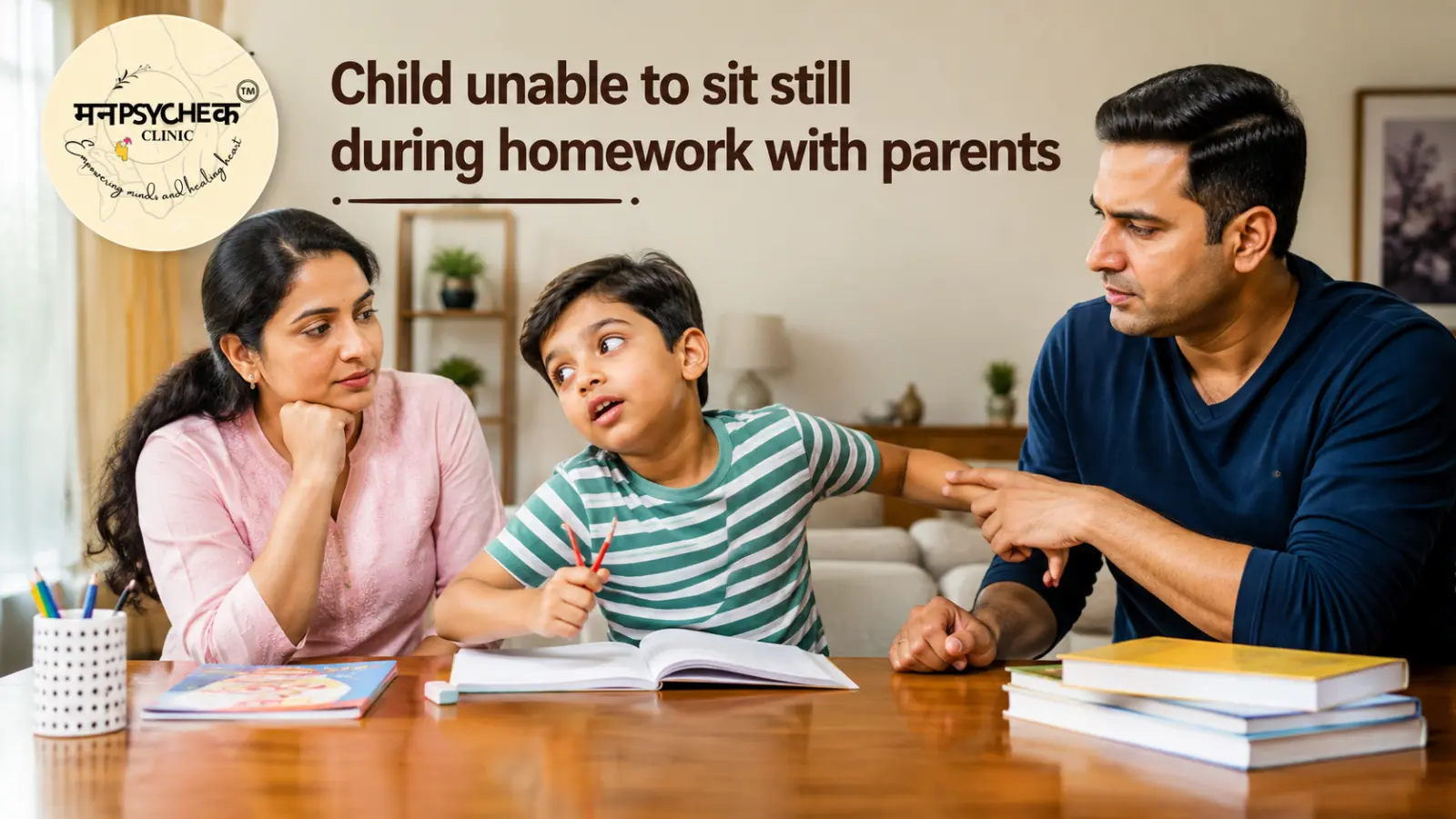
“My child cannot sit still.”
“Why does my child lose focus so fast?”
“My child starts homework and then drifts away.”
“Is this normal, or is something wrong?”
A child who cannot concentrate is not always being lazy, stubborn, or careless. In many cases, poor concentration is a signal that something deeper is happening, such as sleep problems, screen overload, anxiety, ADHD, learning difficulties, or simply a poor study environment.
If you are searching for how to improve concentration in children, this guide explains the real causes, the signs parents should watch for, and what actually helps. It is written for parents in a simple, practical way, with evidence-based strategies that can be used at home and at school.
__________________________________________________________________________________
What Does Poor Concentration Look Like?
Poor concentration in children can show up in different ways.
A child may:
- forget instructions quickly
- avoid homework
- make careless mistakes
- take a very long time to finish simple tasks
- drift away during conversation
- lose school items often
- seem “in their own world”
- become restless or fidgety during tasks
Some children look distracted because they are energetic. Others are distracted because their brain is overloaded, under-rested, anxious, or struggling to process information.
The important question is not, “Is my child naughty?”
The real question is, “What is making concentration hard for my child?”
Common Reasons Children Cannot Concentrate
1. ADHD
ADHD is one of the most common neurodevelopmental conditions in childhood and often includes inattention, impulsivity, and hyperactivity. Children with ADHD may find it hard to stay on task, follow instructions, and control restlessness across more than one setting, such as home and school. Evidence-based care for school-age children often includes behaviour therapy, parent training, and school support.
2. Poor Sleep
Sleep is not optional when it comes to focus. Research shows that enough high-quality sleep supports attention and concentration, while poor sleep reduces attention and slows learning and processing. Children who sleep too little often look distractible, emotional, or hyperactive the next day.
3. Too Much Screen Time
Excessive screen use can contribute to sleep problems, attention difficulties, and emotional issues. Screens can also replace the face-to-face interaction and active play children need for healthy development. Cutting down screen time is one of the most useful first steps for many families.
4. Poor Eating Habits
Diet matters more than many parents realize. Regular meals, especially breakfast, are associated with better attention and concentration, while skipping meals and heavy intake of ultra-processed foods are linked with poorer cognitive performance.
5. Anxiety or Stress
A child who is worried is not fully available for learning. Anxiety can look like daydreaming, avoidance, irritability, clinginess, or “not listening.” Stress at home or school can seriously interfere with attention.
6. Learning Difficulties
If reading, writing, or maths feels confusing or painful, children often stop paying attention because they are frustrated. What looks like laziness is sometimes a learning problem.
7. Sensory Overload
Some children struggle to filter noise, movement, light, touch, or other sensory input. When the brain is overloaded, concentration drops. Occupational therapy strategies often help here.
How Parents Can Improve Concentration at Home
1. Keep a Fixed Daily Routine
Children focus better when their day feels predictable. A consistent schedule for waking up, meals, homework, play, and sleep reduces mental chaos and helps the brain settle. Pediatric behavior guidance also recommends keeping daily routines stable.
2. Cut Down Distractions During Study Time
Turn off TV, keep phones away, and avoid loud music during homework. Children concentrate better in a quiet, clutter-free area. Removing digital distractions is one of the simplest and most effective changes parents can make.
3. Break Tasks Into Small Steps
Do not expect a child to concentrate on a big task all at once. Break homework into short chunks. For example:
- 5 sums
- 1 short break
- next 5 sums
Smaller steps reduce overwhelm and help children stay engaged.
4. Use Visual Supports
Charts, timers, stickers, checklists, and picture schedules help children understand what is expected. Visual structure is especially useful for younger children and children who struggle with attention or planning.
5. Give Movement Breaks
Children are not meant to sit still for long periods. Short movement breaks can reset attention and energy. A quick walk, stretching, jumping, or simple play between study periods often works better than forcing a child to stay seated and frustrated.
6. Protect Sleep
A tired brain cannot focus well. Set a fixed bedtime, reduce screen use before bed, and keep the sleep routine calm and predictable. Sleep directly supports attention, memory, and learning.
7. Encourage Proper Meals
Make sure your child is not skipping breakfast or going long hours without food. Balanced meals support concentration far better than junk food, sugary snacks, or irregular eating patterns.
8. Use Positive Reinforcement
Children repeat what gets noticed. Praise effort, not just results.
Say:
- “You stayed on task well.”
- “Good job finishing that step.”
- “I like how you came back to the work.”
This is especially useful when the child is easily distracted or has ADHD-like traits.
9. Add Physical Activity Every Day
Regular movement improves alertness and supports attention. A child who runs, plays, cycles, dances, or does sports is often better able to sit and focus later. Physical activity is a low-cost, high-value support for concentration and hyperactivity.
Age-Wise Ways to Improve Concentration
Preschool Children
Preschoolers need short instructions, predictable routines, and lots of play-based learning.
What helps:
- simple one-step directions
- picture schedules
- puzzles, blocks, matching games
- short sitting periods
- outdoor play
School-Age Children
School-age children need structure and repeated practice.
What helps:
- a fixed homework time
- a clean study desk
- timers for each task
- short breaks
- teacher coordination when needed
Teenagers
Teens need more self-management support.
What helps:
- planners or study apps
- goal-setting
- reduced phone distractions
- regular sleep
- exercise
- emotional support during stress
When Poor Concentration Is More Than a Habit
You should not wait forever and hope the child grows out of it.
Seek professional help if the child has concentration problems for several months, despite:
- proper sleep
- regular routines
- reduced screen time
- healthy meals
- physical activity
Persistent concentration problems can signal ADHD, learning difficulties, anxiety, sensory issues, or broader developmental concerns. Early assessment helps prevent school frustration and emotional damage.
When to Consult a Child Psychologist in Dwarka
A child psychologist in Dwarka can help if your child:
- cannot concentrate at home and school
- has hyperactivity or impulsivity
- seems anxious, overwhelmed, or withdrawn
- struggles with learning
- becomes emotional during homework
- has repeated behaviour problems
A psychologist can help identify whether the concern is attention-related, emotional, developmental, or school-related.
How a Child Development Centre in Dwarka Can Help
A good child development centre in Dwarka may offer:
- ADHD assessment
- developmental screening
- behaviour therapy in Dwarka
- occupational therapy in Dwarka
- speech therapy in Dwarka
- special education support
- parent guidance
This matters because concentration problems are often not one single issue. The child may need a combination of support, not just “more discipline.”
How KS Mannpsyche India Private Limited Supports Children
At KS Mannpsyche India Private Limited, children can receive support for attention concerns, behavioural difficulties, learning issues, and developmental delays.
Services may include:
- child psychology support
- behaviour therapy
- ADHD assessment
- parent counseling
- occupational therapy support
- speech and communication-related guidance
- developmental assessment
Under the guidance of Saurav Deep, RCI Certified Psychologist and Behaviour Therapist, families receive practical, individualized support that focuses on real-life improvement, not just labels.
Final Thoughts
A child who cannot concentrate is not necessarily unmotivated. Often, the brain is dealing with sleep loss, screen overload, stress, ADHD, learning issues, or sensory difficulties.
The best approach is simple:
- check the basics,
- build a predictable routine,
- reduce distractions,
- support sleep, food, and movement,
- seek professional help when the problem persists.
Concentration can improve. But it improves faster when parents stop guessing and start addressing the real cause.
Frequently Asked Questions
Q1. Is poor concentration always ADHD?
A1. No. Poor concentration can also happen because of sleep problems, anxiety, screen overuse, learning difficulties, or stress.
Q2. Can screen time affect concentration?
A2. Yes. Too much screen time can interfere with sleep, attention, and emotional regulation.
Q3. Can diet improve concentration in children?
A3. Regular meals and breakfast support better attention and concentration.
Q4. What should I do first if my child cannot focus?
A4. Start with sleep, routine, screen limits, meals, and a distraction-free study space. If the problem continues for months, get a professional assessment.
Q5. Where can I get help in Dwarka?
A5. Parents can consult a child psychologist in Dwarka or a child development centre in Dwarka for assessment and support.
Author:
Saurav Deep,
RCI Certified Psychologist
Saurav Deep is an RCI Certified Psychologist and Behaviour Therapist based in Dwarka, New Delhi. He specializes in child psychology, behavioural therapy, ADHD management, autism support, anxiety counseling, stress management, and family guidance. Through KS Mannpsyche India Private Limited, he provides both online and offline psychological services to children, adolescents, and adults.