Home › CBT › Why Does My Child Have So Many Tantrums? Signs Parents Should Not Ignore
Why Does My Child Have So Many Tantrums? Signs Parents Should Not Ignore

Why Does My Child Have So Many Tantrums? When Should Parents Be Concerned?
Many parents feel exhausted by daily emotional outbursts.
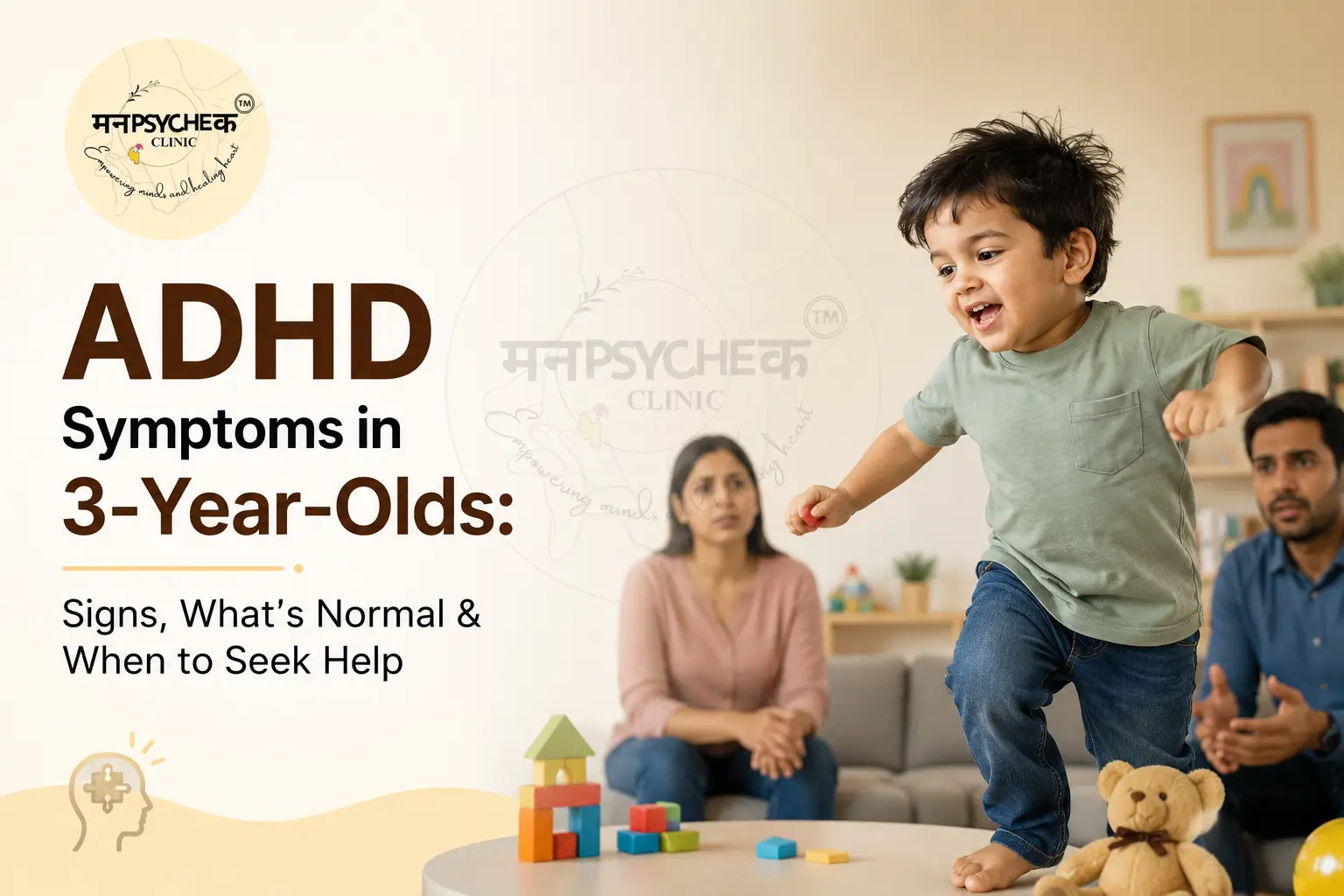
ADHD Symptoms in 3-Year-Olds: Signs, What’s Normal & When to Seek Help
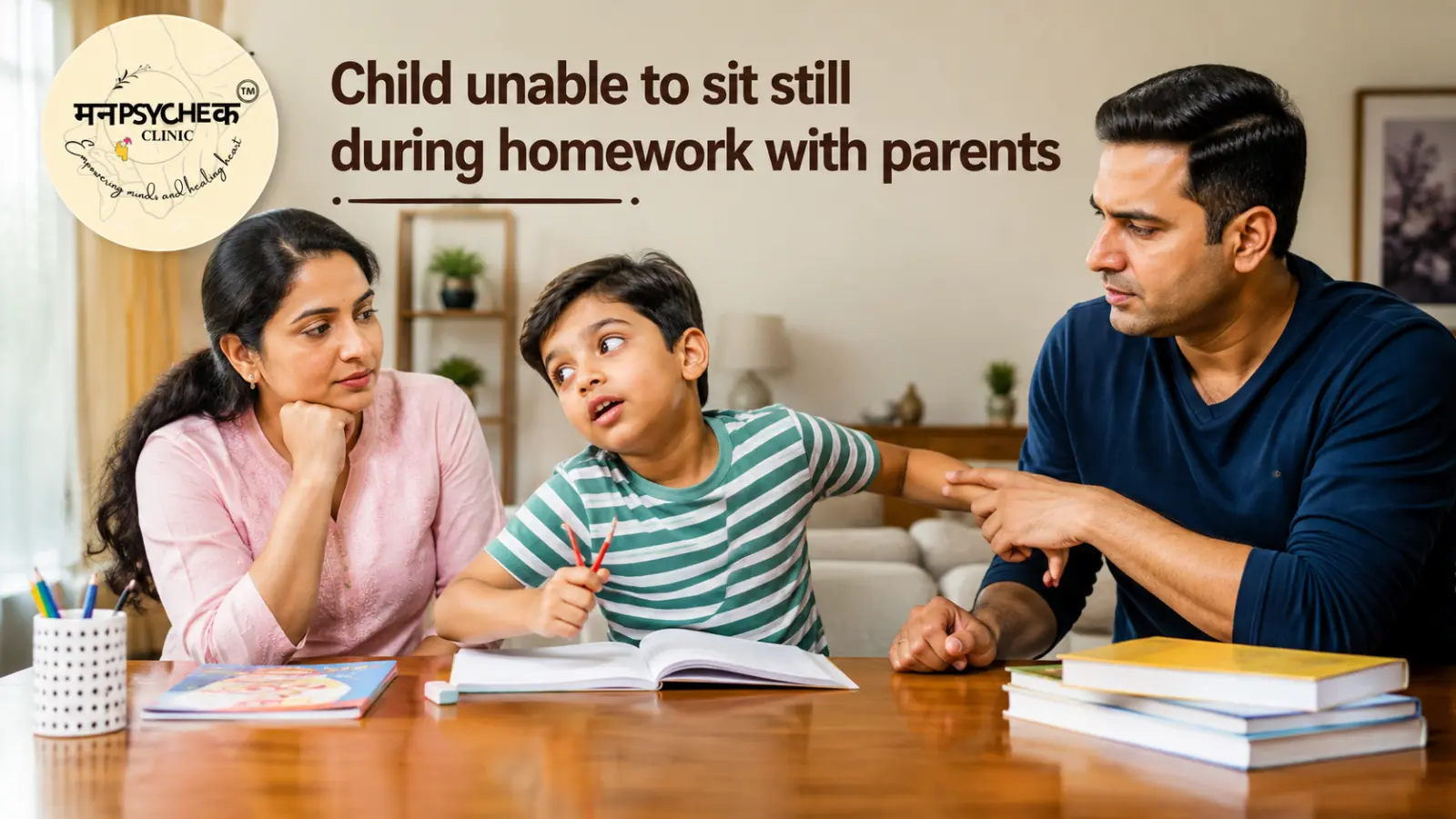
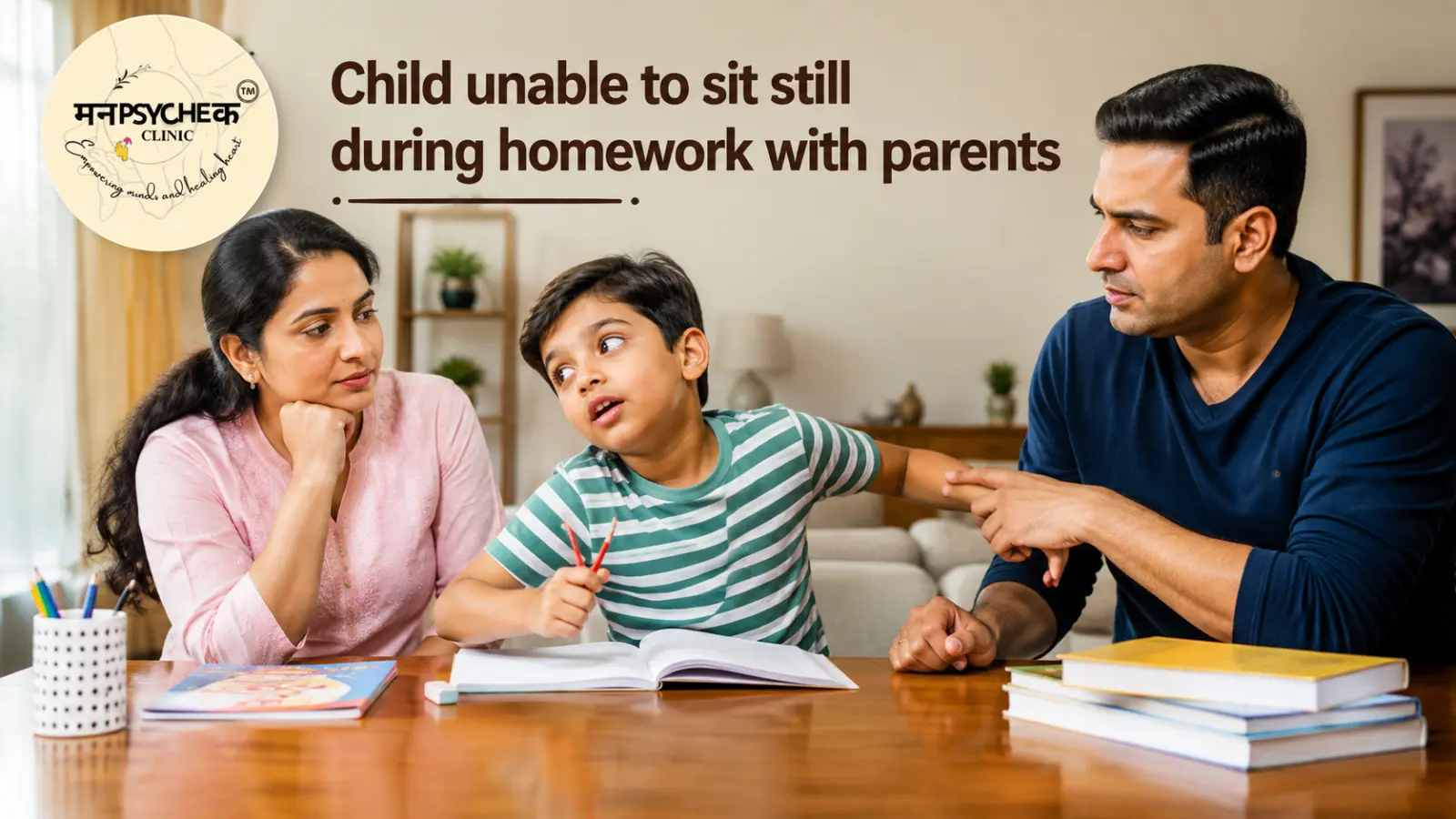
Why Can't My Child Sit Still? Causes, ADHD Signs & What Parents Can Do
You may find yourself asking:
Why does my child throw tantrums over everything?
My child screams when they don't get their way.
Are these tantrums normal?
Should I be worried about my child's behaviour?
Could this be ADHD or autism?
If these questions sound familiar, you are not alone.
Tantrums are one of the most common reasons parents seek support from a child psychologist in Dwarka or a child development centre in Dwarka.
The good news is that tantrums are a normal part of childhood development. However, when tantrums become unusually intense, frequent, or continue beyond the expected age, they may signal that a child needs additional support.
Let's understand why tantrums happen, when they are normal, and when parents should pay closer attention.
What Is a Tantrum?
A tantrum is an emotional outburst that occurs when a child becomes overwhelmed by frustration, disappointment, anger, or unmet needs.
A tantrum may include:
- Crying
- Screaming
- Throwing objects
- Kicking
- Hitting
- Refusing instructions
- Falling on the floor
Children have tantrums because their emotional regulation skills are still developing.
Simply put:
Young children often feel emotions much bigger than their ability to manage them.
Why Do Children Have Tantrums?
Children may have tantrums for many reasons.
Common triggers include:
- Hunger
- Fatigue
- Frustration
- Changes in routine
- Difficulty communicating
- Sensory overload
- Being told "no"
- Wanting attention
- Difficulty waiting
The tantrum itself is usually a sign that the child is struggling to cope with a situation.
Normal vs Concerning Tantrums
This is one of the most important questions parents ask.
Normal Tantrums
Typical tantrums usually:
- Occur between ages 1 and 4
- Last a few minutes
- Happen occasionally
- Improve as language develops
- Decrease with maturity
Examples:
- Crying because a toy is unavailable
- Getting upset when leaving the playground
- Becoming frustrated when unable to complete a task
- These behaviours are generally part of normal development.
Concerning Tantrums
Parents should consider professional guidance if tantrums:
- Occur multiple times daily
- Last longer than 20–30 minutes
- Continue well beyond age 5
- Involve aggression toward others
- Include self-injury
- Cause significant family stress
- Occur both at home and school
- Are accompanied by developmental concerns
These situations may require further assessment.
Age-Wise Expectations for Tantrums
Toddlers (1–3 Years)
Tantrums are extremely common.
Children at this age:
- Have limited language
- Struggle with patience
- Want independence
- Have difficulty regulating emotions
Several tantrums per week may be developmentally normal.
Preschoolers (3–5 Years)
Children gradually learn:
- Communication skills
- Problem-solving
- Emotional regulation
Tantrums should generally become less frequent and less intense.
School-Age Children (6+ Years)
Occasional emotional outbursts can still occur.
However, regular severe tantrums at this age may indicate:
- ADHD
- Anxiety
- Autism
- Emotional regulation difficulties
- Learning challenges
- Behavioural concerns
Could ADHD Be Causing My Child's Tantrums?
Yes, in some cases.
Children with ADHD often struggle with:
- Impulse control
- Frustration tolerance
- Emotional regulation
- Waiting their turn
- Parents may notice:
- Explosive reactions
- Difficulty calming down
- Extreme responses to small problems
Common ADHD symptoms may include:
- Hyperactivity
- Inattention
- Impulsivity
- Frequent emotional outbursts
A tantrum alone does not mean ADHD, but it can be one part of the overall picture.
Could Autism Be Related to Tantrums?
Sometimes.
Children with autism may experience tantrums because of:
- Communication difficulties
- Sensory overload
- Changes in routine
- Difficulty expressing needs
- Social frustration
For example:
- A child who cannot effectively communicate hunger, discomfort, or frustration may become overwhelmed and express those feelings through behaviour.
Parents concerned about autism should also look for:
- Limited eye contact
- Delayed speech
- Repetitive behaviours
- Social communication difficulties
Common Parent Mistakes During Tantrums
Most parents make these mistakes because they are stressed not because they are bad parents.
However, some responses can accidentally make tantrums worse.
Mistake 1:-
Shouting Back
When parents become angry during a tantrum, children often become even more dysregulated.
A calm adult nervous system helps regulate a child's nervous system.
Mistake 2:-
Giving In Immediately
Example:
- Child screams for chocolate.
- Parent gives chocolate to stop the screaming.
The child learns:
"Tantrums work."
This can unintentionally reinforce the behaviour.
Mistake 3:-
Long Lectures During a Meltdown
When children are emotionally overwhelmed, they cannot process lengthy explanations.
Teaching is most effective after the child has calmed down.
Mistake 4:-
Inconsistent Responses
If rules change every day, children become confused about expectations.
Consistency is one of the strongest tools for behaviour management.
Mistake 5:-
Ignoring Sleep, Hunger, and Routine
Many behavioural difficulties worsen when children are:
- Hungry
- Tired
- Overstimulated
Addressing basic needs often reduces tantrum frequency.
What Parents Can Do Instead
1. Stay Calm
Your child borrows emotional regulation from you.
A calm response often shortens a tantrum.
2. Acknowledge Feelings
Instead of:
"Stop crying."
Try:
"I can see you're upset."
This helps children feel understood.
3. Set Clear Limits
Empathy does not mean giving in.
You can acknowledge feelings while maintaining boundaries.
Example:
"I know you're upset, but the answer is still no."
4. Teach Emotional Vocabulary
Help children identify feelings such as:
- Angry
- Frustrated
- Sad
- Disappointed
- Nervous
Children who can label emotions often manage them more effectively.
5. Praise Positive Behaviour
Children benefit from attention for positive behaviour, not only for difficult behaviour.
Notice:
- Sharing
- Waiting patiently
- Using words appropriately
- Following instructions
When Should Parents Seek Professional Help?
Consult a professional if:
- Tantrums are worsening over time
- Aggression is becoming common
- School reports concerns
- Social difficulties are present
- Speech delays exist
- ADHD symptoms are suspected
- Autism signs are present
- Family life is significantly affected
Early intervention often leads to better outcomes.
How a Child Psychologist in Dwarka Can Help
A child psychologist in Dwarka can assess:
- Emotional regulation
- Behavioural concerns
- ADHD symptoms
- Autism signs
- Developmental milestones
- Parent-child interaction patterns
Assessment helps identify the root cause of the tantrums rather than simply addressing the behaviour itself.
Behaviour Therapy for Children in Dwarka
Parents searching for:
- Behaviour therapy Dwarka
- Child psychologist Dwarka
- Child behaviour therapy
- Behaviour therapist Dwarka
- Child counselling Dwarka
often benefit from evidence-based interventions such as:
- Behaviour Therapy
- Parent Training Programs
- Emotional Regulation Support
- Social Skills Training
- Developmental Assessment
Why Families Choose KS Mannpsyche India Private Limited
Many families seek support when their child experiences:
- Frequent tantrums
- Aggressive behaviour
- Emotional outbursts
- ADHD symptoms
- Autism-related concerns
- School behaviour difficulties
At KS Mannpsyche India Private Limited, services include:
- Child Psychology Consultation
- Behaviour Therapy
- Parent Counseling
- ADHD Support Programs
- Autism Support Services
- Developmental Assessments
- Social Skills Training
Under the guidance of Saurav Deep, RCI Certified Psychologist and Behaviour Therapist, families receive practical, evidence-based strategies designed to improve emotional regulation, behaviour, and overall child development.
Final Thoughts
Most tantrums are a normal part of growing up.
Children are not born knowing how to manage frustration, disappointment, or strong emotions.
However, when tantrums become severe, frequent, aggressive, or continue beyond the expected developmental stage, they deserve attention.
Instead of asking:
"How do I stop my child's tantrums?"
A more helpful question is:
"What is my child trying to communicate through this behaviour?"
Understanding the reason behind the tantrum is often the first step toward meaningful improvement.
Frequently Asked Questions
Q1. At what age are tantrums normal?
A1. Tantrums are most common between ages 1 and 4 and generally decrease as children develop better communication and emotional regulation skills.
Q2. How many tantrums are too many?
A2. Daily severe tantrums, especially those lasting longer than 20–30 minutes or involving aggression, may warrant professional evaluation.
Q3. Are tantrums a sign of ADHD?
A3. Some children with ADHD experience emotional regulation difficulties that can contribute to frequent tantrums.
Q4. Can autism cause tantrums?
A4. Children with autism may experience tantrums due to communication challenges, sensory overload, or difficulty coping with changes.
Q5. When should I consult a child psychologist in Dwarka?
A5. Consider professional guidance if tantrums are severe, frequent, worsening, or affecting school, social relationships, or family life.