Home › Autism › Autism Symptoms in Children: Early Signs Most Parents Miss
Autism Symptoms in Children: Early Signs Most Parents Miss
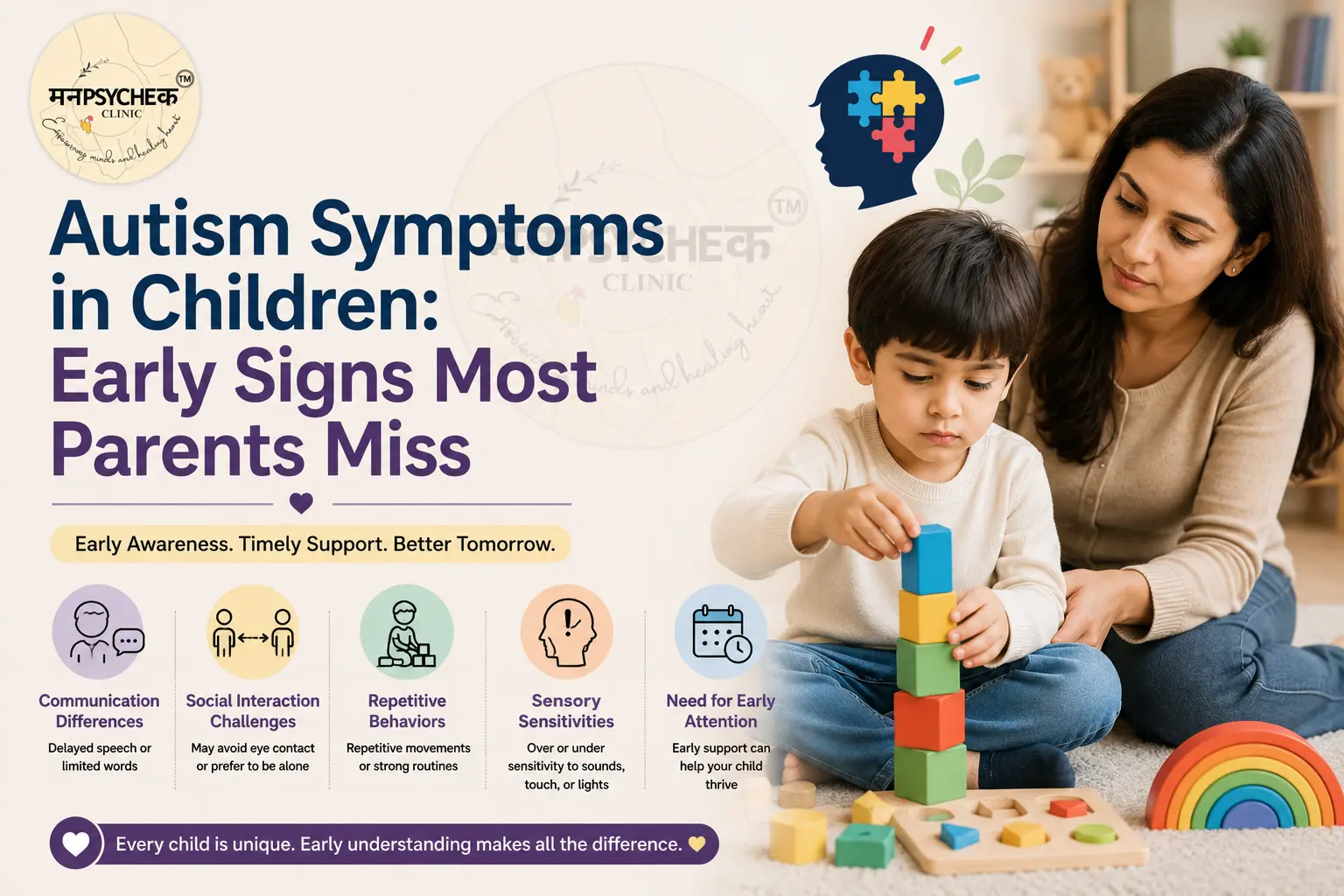
Every child develops at their own pace. Some children begin talking early, while others take a little longer. Some are naturally social, while others prefer playing alone.
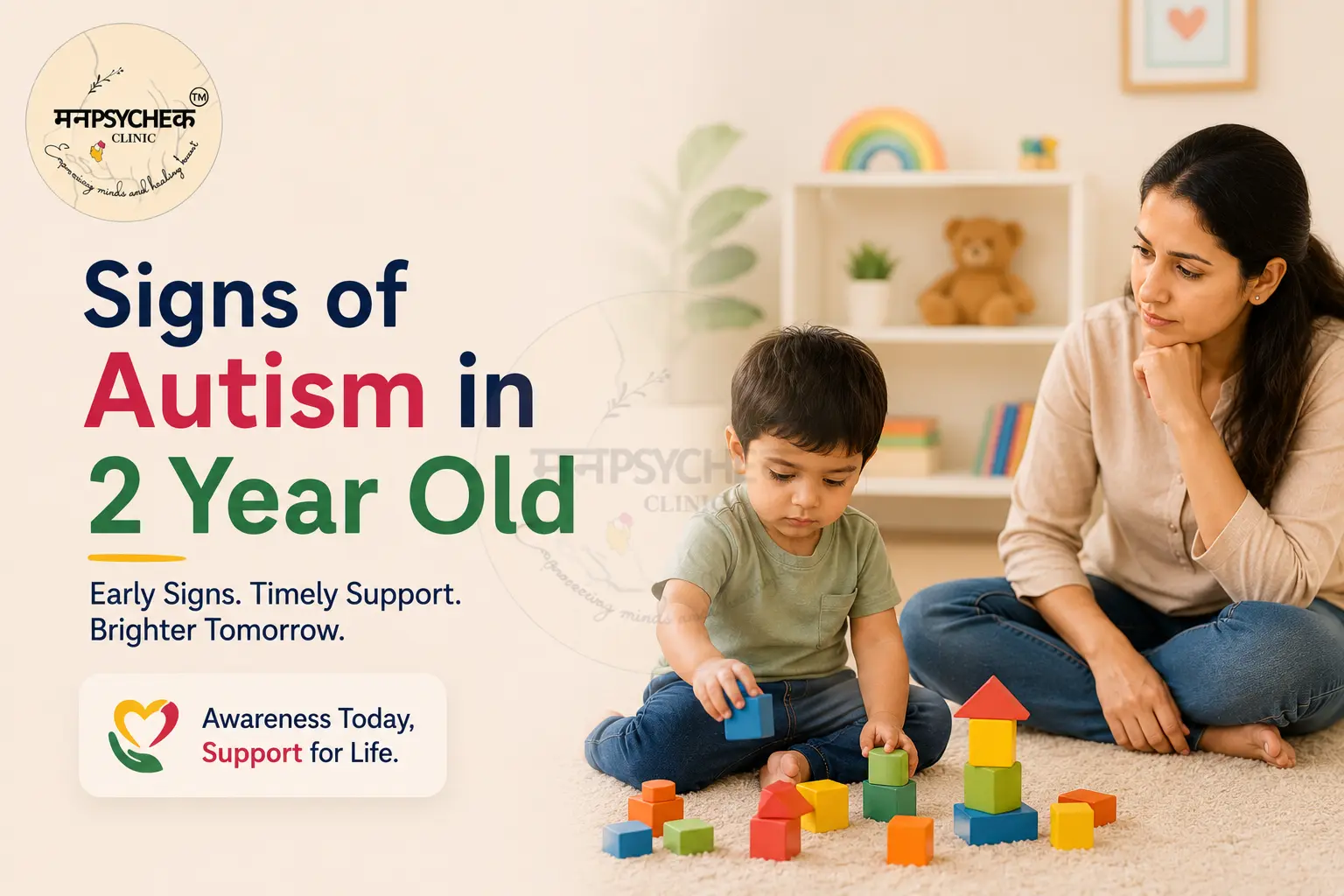
Recommended for youIs My 2 Year Old Showing Signs of Autism? Early Symptoms Parents Should Never Ignore
Occupational Therapy for Children: Benefits and Signs Your Child May Need It
However, there are times when developmental differences may indicate something more than a temporary delay.
One of the most common concerns parents search for is:
"Could my child have autism?"
Understanding early autism symptoms can help families seek support at the right time and provide children with opportunities to develop important communication, social, and life skills.
In this guide, we'll discuss the early signs of autism, common misconceptions, warning signs by age, and how early intervention and special children therapy can support a child's development.
What Is Autism Spectrum Disorder (ASD)?
Autism Spectrum Disorder (ASD) is a neurodevelopmental condition that affects:
- Communication
- Social interaction
- Behaviour
- Sensory processing
- Learning and adaptive skills
The word "spectrum" means autism affects each child differently.
Some children may require minimal support, while others may benefit from ongoing developmental and therapeutic interventions.
Autism is not an illness and cannot be "cured." Instead, appropriate support helps children develop skills and improve their quality of life.
Why Early Identification Matters
Research consistently shows that early intervention can significantly improve outcomes for children with autism.
Early support may help improve:
- Communication skills
- Social interaction
- Emotional regulation
- Adaptive behaviour
- Independence
- School readiness
The earlier developmental concerns are identified, the sooner families can access appropriate services.
Early Autism Symptoms Parents Often Miss
Many autism symptoms appear gradually and may initially seem like personality traits or developmental delays.
Parents often hear comments such as:
- He's just shy.
- Boys talk late.
- She likes playing alone.
- Every child develops differently.
While this can sometimes be true, persistent developmental differences should not be ignored.
Autism Symptoms in Babies (6–12 Months)
Some early signs may include:
Limited Eye Contact
Most babies naturally seek eye contact with caregivers.
A baby who rarely makes eye contact may benefit from developmental monitoring.
Limited Social Smiling
Children typically smile in response to familiar faces and social interaction.
Reduced social smiling may be an early indicator of communication differences.
Reduced Response to Name
By around 9–12 months, most babies respond consistently when their name is called.
Failure to respond may warrant further evaluation.
Limited Babbling
Most babies begin experimenting with sounds and babbling during their first year.
Reduced vocalization may be one of the earliest autism symptoms.
Autism Symptoms in Toddlers (1–3 Years)
Many parents first notice developmental concerns during the toddler years.
Delayed Speech and Language Development
A child may:
- Speak very few words
- Stop using words they previously knew
- Have difficulty expressing needs
Speech delay is one of the most common reasons parents seek professional advice.
Limited Use of Gestures
Children often communicate through:
- Pointing
- Waving
- Showing objects
- Reaching for help
Children with autism may use fewer gestures than expected.
Preference for Playing Alone
Some children consistently choose solitary play and show limited interest in interacting with peers.
Repetitive Behaviours
Examples include:
- Hand flapping
- Spinning objects
- Repeating sounds
- Lining up toys
Repetitive behaviours are among the more recognizable autism symptoms.
Social Communication Signs of Autism
Social communication differences are a core feature of autism.
Children may:
- Avoid eye contact
- Have difficulty understanding emotions
- Struggle with back-and-forth conversations
- Show limited interest in social interaction
- Find it difficult to make friends
These challenges vary significantly from child to child.
Sensory Signs Parents Often Overlook
Many children with autism experience sensory sensitivities.
Sensitivity to Sounds
A child may become distressed by:
- Vacuum cleaners
- Crowded environments
- Loud music
- School bells
Sensitivity to Touch
Some children dislike:
- Certain clothing textures
- Haircuts
- Physical affection
- Particular fabrics
Unusual Sensory Interests
Children may:
- Watch spinning objects
- Focus on lights
- Seek specific sensory experiences repeatedly
Behavioural Signs of Autism
Behavioural indicators may include:
Strong Need for Routine
Children may become upset when routines change unexpectedly.
Intense Interests
A child may develop unusually strong interests in specific topics or objects.
Difficulty Managing Transitions
Moving between activities can be challenging and may trigger emotional outbursts.
Autism Symptoms by Age: Quick Checklist
By 12 Months
- Limited eye contact
- Reduced babbling
- No pointing
- Poor response to name
By 18 Months
- Few spoken words
- Limited gestures
- Reduced social interaction
By 24 Months
- No meaningful two-word phrases
- Limited pretend play
- Difficulty communicating needs
At Any Age
- Loss of previously acquired speech
- Loss of social skills
- Significant communication difficulties
Regression should always be evaluated by a professional.
What Causes Autism?
There is no single known cause of autism.
Research suggests a combination of:
- Genetic factors
- Neurodevelopmental differences
- Biological influences
Importantly:
Autism Is NOT Caused By
- Bad parenting
- Lack of discipline
- Vaccinations
- Emotional trauma
These myths continue to create confusion and unnecessary guilt for families.
How Is Autism Diagnosed?
A diagnosis typically involves:
- Developmental history
- Behavioural observations
- Parent interviews
- Standardized assessments
- Multidisciplinary evaluation
Assessment helps professionals understand the child's strengths and support needs.
How Special Children Therapy Can Help
Early intervention often involves multiple therapeutic approaches tailored to the child's needs.
Behaviour Therapy
Helps improve:
- Communication
- Attention
- Social engagement
- Daily living skills
Speech and Language Therapy
Supports:
- Verbal communication
- Understanding language
- Social communication skills
Occupational Therapy
Helps with:
- Sensory processing
- Fine motor skills
- Daily living activities
Social Skills Training
Focuses on:
- Peer interaction
- Conversation skills
- Emotional understanding
Parent Training Programs
Parents learn practical strategies to support development at home and in community settings.
Why Early Intervention Is So Important
Children's brains are highly adaptable during the early years.
Research shows that children who receive early support often experience improvements in:
- Communication
- Learning
- Behaviour
- Independence
- Social interaction
Waiting for a child to "grow out of it" may delay access to valuable support services.
Why Families Seek Support from Saurav Deep
Many families who notice autism symptoms seek professional guidance to better understand their child's developmental needs.
Saurav Deep, an RCI Certified Psychologist and Behaviour Therapist, works with children and families experiencing developmental, behavioural, emotional, and communication challenges.
Areas of support include:
- Autism Assessment Guidance
- Behaviour Therapy
- Parent Training Programs
- Social Skills Development
- Emotional Regulation Support
- School Readiness Training
- ADHD Behaviour Management
- Developmental Support Programs
- Special Children Therapy
Through individualized intervention planning and family-centered support, children are encouraged to build skills that improve communication, confidence, independence, and daily functioning.
Final Thoughts
Recognizing autism symptoms early does not mean labeling a child, it means understanding their unique developmental needs.
Many children with autism have remarkable strengths, talents, and abilities. With early identification, appropriate support, and family involvement, children can make meaningful progress across many areas of development.
If you notice persistent communication difficulties, social challenges, repetitive behaviours, or developmental delays, consider seeking professional guidance.
Early intervention opens doors to learning, growth, independence, and a better quality of life.
Frequently Asked Questions
Q1. What are the first signs of autism in a child?
A1. Early signs may include limited eye contact, delayed speech, poor response to name, reduced gestures, and difficulty with social interaction.
Q2. Can autism be detected before age 2?
A2. Yes. Many autism symptoms can be observed during infancy and toddler-hood, although formal diagnosis may occur later.
Q3. Does speech delay always mean autism?
A3. No. Speech delay can occur for many reasons and does not automatically indicate autism.
Q4. What is special children therapy?
A4. Special children therapy refers to individualized interventions designed to support developmental, behavioral, communication, and adaptive skill development in children with special needs.
Q5. Can children with autism improve?
A5. Yes. With early intervention, structured support, therapy, and family involvement, many children make significant progress in communication, social interaction, learning, and independence.