Home › Autism › Autism vs Speech Delay: How Parents Can Tell the Difference
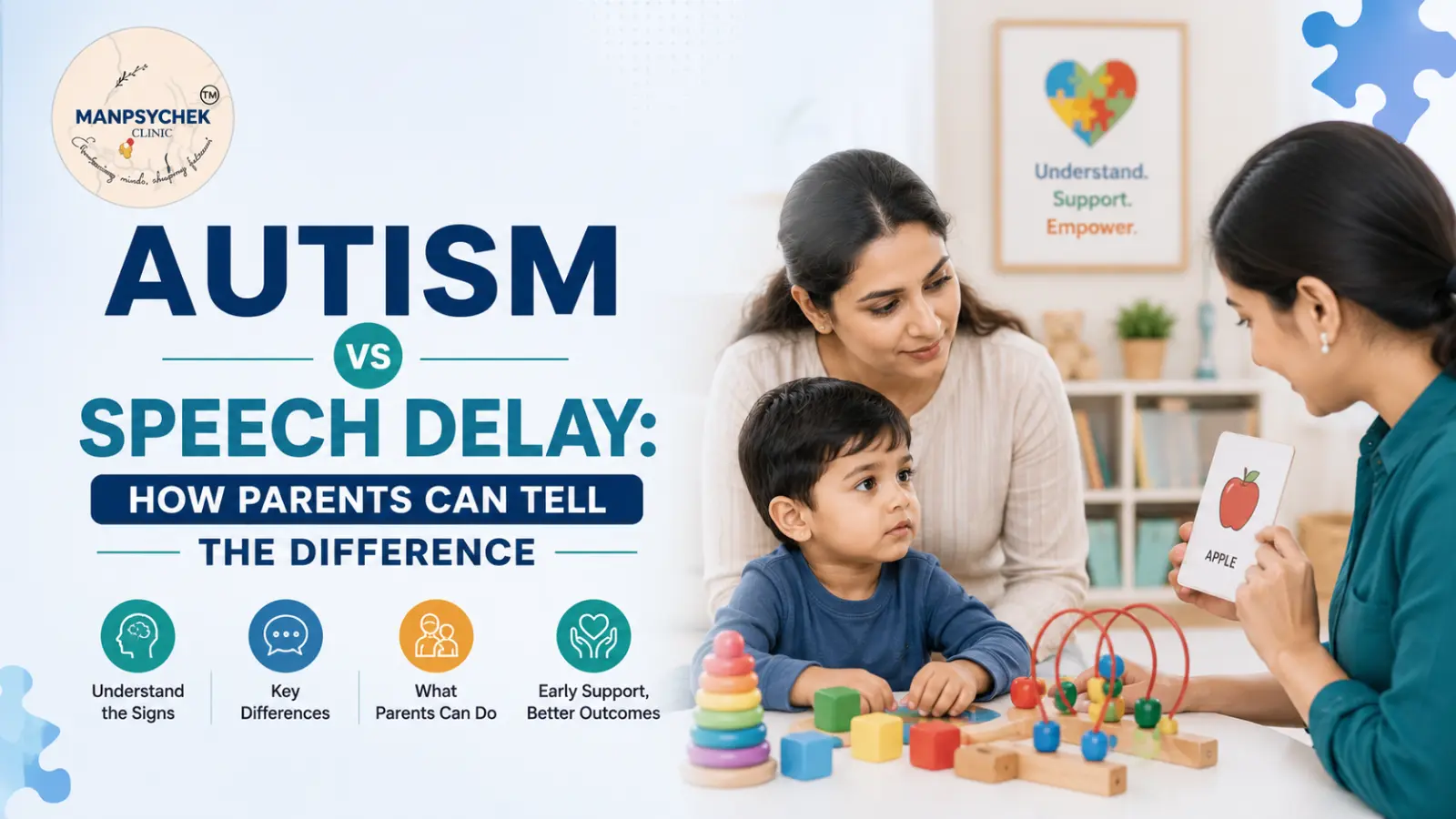
Autism vs Speech Delay: How Parents Can Tell the Difference
Answer
Speech delay and autism are not the same. A child with a speech delay primarily struggles with language development but may still show strong social interaction, eye contact, and engagement. A child with autism often experiences communication challenges along with differences in social interaction, eye contact, play skills, and repetitive behaviors. A professional developmental assessment can help determine the underlying cause.
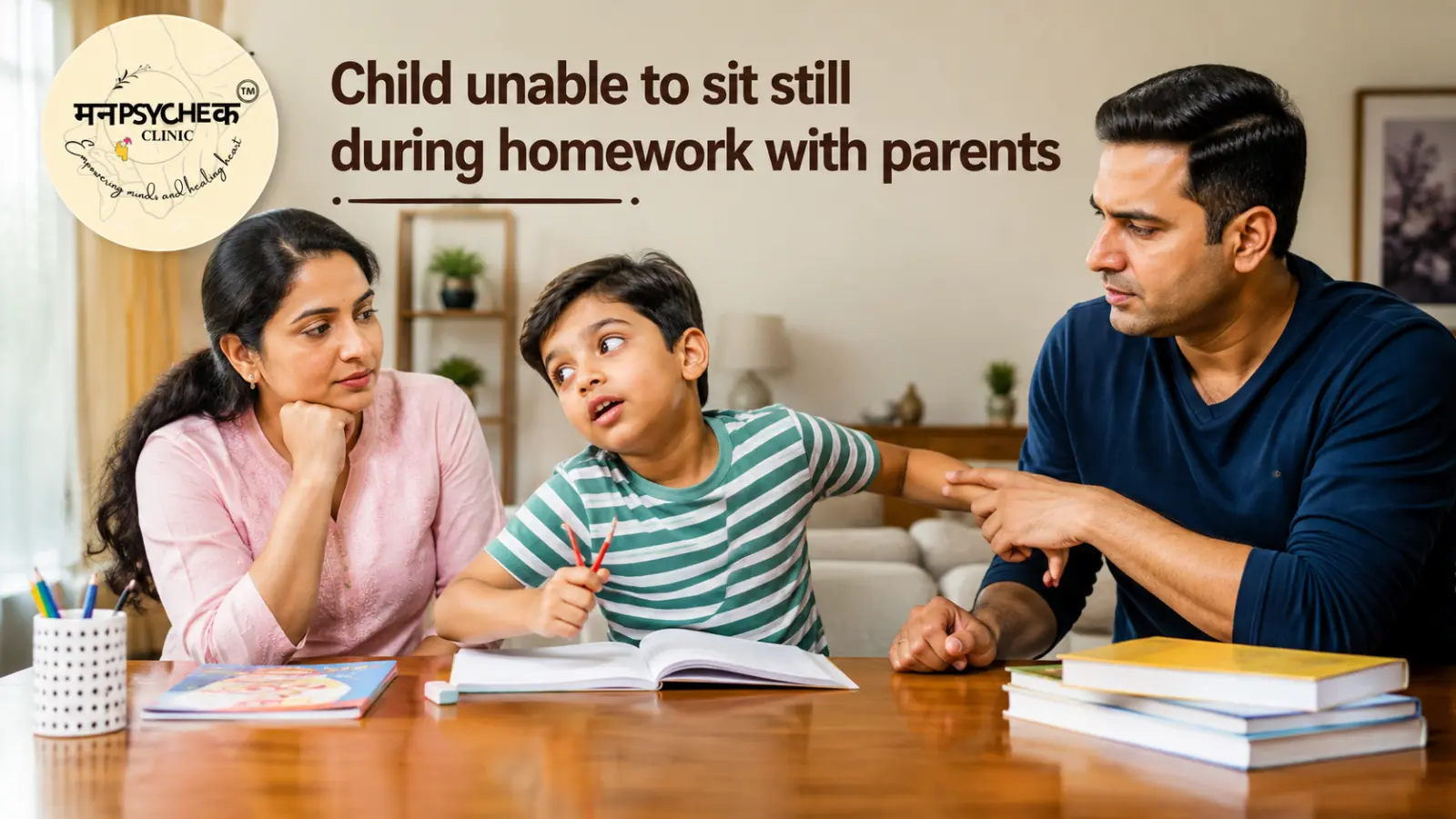
Why Can't My Child Sit Still? Causes, ADHD Signs & What Parents Can Do
Introduction
One of the most common concerns parents have is when their child is not talking as expected.
Many families begin asking:
- Is my child's speech delay normal?
- Could this be autism?
- How do I know the difference between autism and speech delay?
These questions are understandable because both autism and speech delay can affect communication.
However, they are not the same condition.
A child with a speech delay may simply need additional support developing language skills.
A child with Autism Spectrum Disorder (ASD) often experiences broader differences involving communication, social interaction, behavior, and sensory processing.
Understanding the distinction is important because early identification leads to more effective support and intervention.
What Is a Speech Delay?
A speech delay occurs when a child develops speech and language skills more slowly than expected for their age.
Children with speech delay may:
- Say fewer words than expected
- Begin talking later than peers
- Struggle to combine words into sentences
- Have difficulty pronouncing words clearly
Importantly, many children with speech delay still:
- Make good eye contact
- Enjoy social interaction
- Respond to their name
- Engage in pretend play
- Show affection and social interest
Speech delay primarily affects communication rather than overall social development.
What Is Autism Spectrum Disorder?
Autism Spectrum Disorder (ASD) is a neuro-developmental condition characterized by differences in:
- Social communication
- Social interaction
- Behavior
- Sensory processing
According to DSM-5 criteria, autism involves:
Social Communication Differences
Examples include:
- Reduced eye contact
- Limited gestures
- Difficulty sharing interests
- Challenges understanding social cues
Restricted or Repetitive Behaviors
Examples include:
- Hand flapping
- Lining up toys
- Repetitive speech
- Strong need for routines
Communication challenges are often present, but autism affects more than language alone.
Autism vs Speech Delay: Key Differences
| Area | Speech Delay | Autism |
|---|---|---|
| Eye Contact | Usually present | May be reduced or inconsistent |
| Social Interaction | Usually age-appropriate | Often affected |
| Response to Name | Typically responds | May respond inconsistently |
| Pretend Play | Usually present | May be limited |
| Gestures | Often used appropriately | May be reduced |
| Repetitive Behaviors | Uncommon | More common |
| Sensory Sensitivities | Less common | Frequently observed |
| Main Difficulty | Language development | Social communication and behavior |
Signs That Suggest Speech Delay Rather Than Autism
A child may have a speech delay without autism if they:
- Enjoy interacting with others
- Make eye contact
- Use gestures effectively
- Respond to their name
- Seek attention from caregivers
- Engage in pretend play
- Show interest in peers
These children often understand language better than they can express it.
Signs That May Suggest Autism
Parents may consider professional evaluation if communication difficulties occur alongside:
- Limited eye contact
- Reduced social interaction
- Lack of pointing or gestures
- Repetitive behaviors
- Sensory sensitivities
- Difficulty with pretend play
- Strong attachment to routines
The combination of signs is more important than any single behavior.
Real-Life Parent Example
A family visited K.S MannpsycheK Dwarka Mor concerned because their 2½-year-old son used only a few words.
The parents worried about autism.
During assessment, it was noted that he:
- Responded to his name
- Made eye contact
- Enjoyed social games
- Used gestures
- Played imaginatively
His developmental profile suggested a speech delay rather than autism.
Another child of similar age had delayed speech along with poor eye contact, repetitive play patterns, sensory sensitivities, and limited social interaction.
Further assessment supported an autism diagnosis.
The difference was not the speech delay alone.
The difference was the broader pattern of development.
Why Early Assessment Matters
Many parents adopt a "wait and see" approach.
Unfortunately, waiting can delay access to support.
Early assessment helps:
- Identify developmental strengths
- Clarify concerns
- Guide intervention planning
- Improve long-term outcomes
Early intervention is associated with better communication, learning, and social development.
Professional Support at MannpsycheK
At MannpsycheK, under the guidance of Dr. Saurav Deep, families receive evidence-based developmental assessment and intervention services.
Services include:
- Autism Assessment
- Speech Therapy
- ABA Therapy
- Special Education
- Learning Disability Assessment
- ADHD Assessment
- Behavior Therapy
- Developmental Screening
- Parent Counseling
Families seeking a Child Psychologist in Dwarka, Speech Therapy in Dwarka, or Autism Assessment in Dwarka can access comprehensive developmental evaluations and individualized intervention plans.
Conclusion
Speech delay and autism can appear similar, especially during the toddler years.
However, they are not the same condition.
Speech delay primarily affects language development, while autism affects social communication, interaction, behavior, and sensory processing.
The most important step is not to self-diagnose.
If concerns exist, a professional developmental assessment can provide clarity, reassurance, and access to appropriate support.
Book an Assessment at MannpsycheK
Concerned about your child's speech, communication, or social development?
At K.S MannpsycheK Dwarka Mor, we provide:
✔ Autism Assessment
✔ Speech Therapy
✔ ABA Therapy
✔ Special Education Services
✔ Learning Disability Assessment
✔ ADHD Assessment
✔ Behavior Therapy
✔ Parent Guidance and Counseling
Book a consultation today and gain a clearer understanding of your child's developmental needs.