Home › Guidance For Parents › Best Child Psychologist in Dwarka : 10 Signs Your Child May Need Professional Support
Best Child Psychologist in Dwarka : 10 Signs Your Child May Need Professional Support

Every child grows and develops at their own pace. Some children are naturally shy, energetic, emotional, or stubborn. However, there are times when certain behaviors may indicate deeper emotional, developmental, or behavioral concerns that require professional attention.
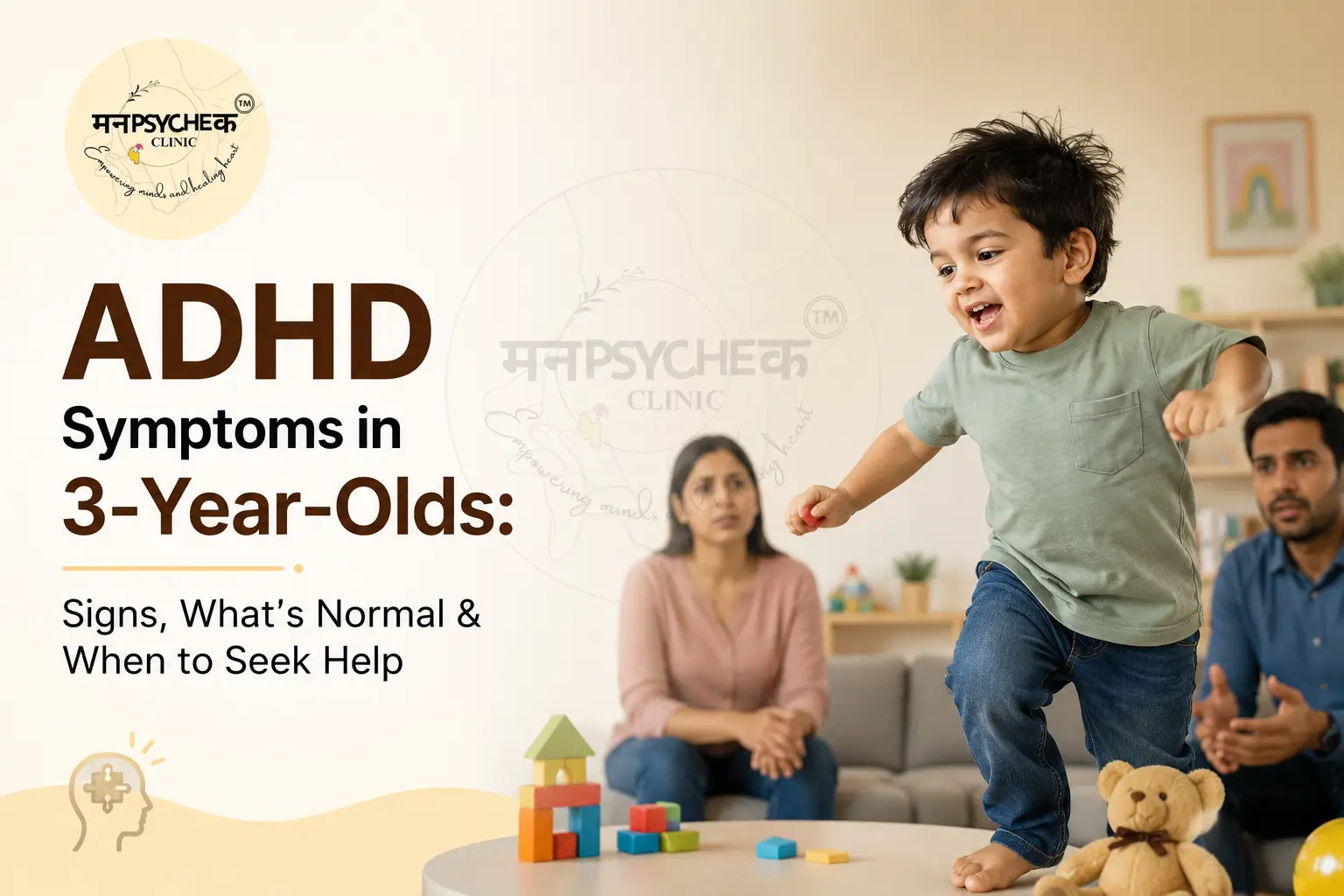
Recommended for youADHD Symptoms in 3-Year-Olds: Signs, What’s Normal & When to Seek Help
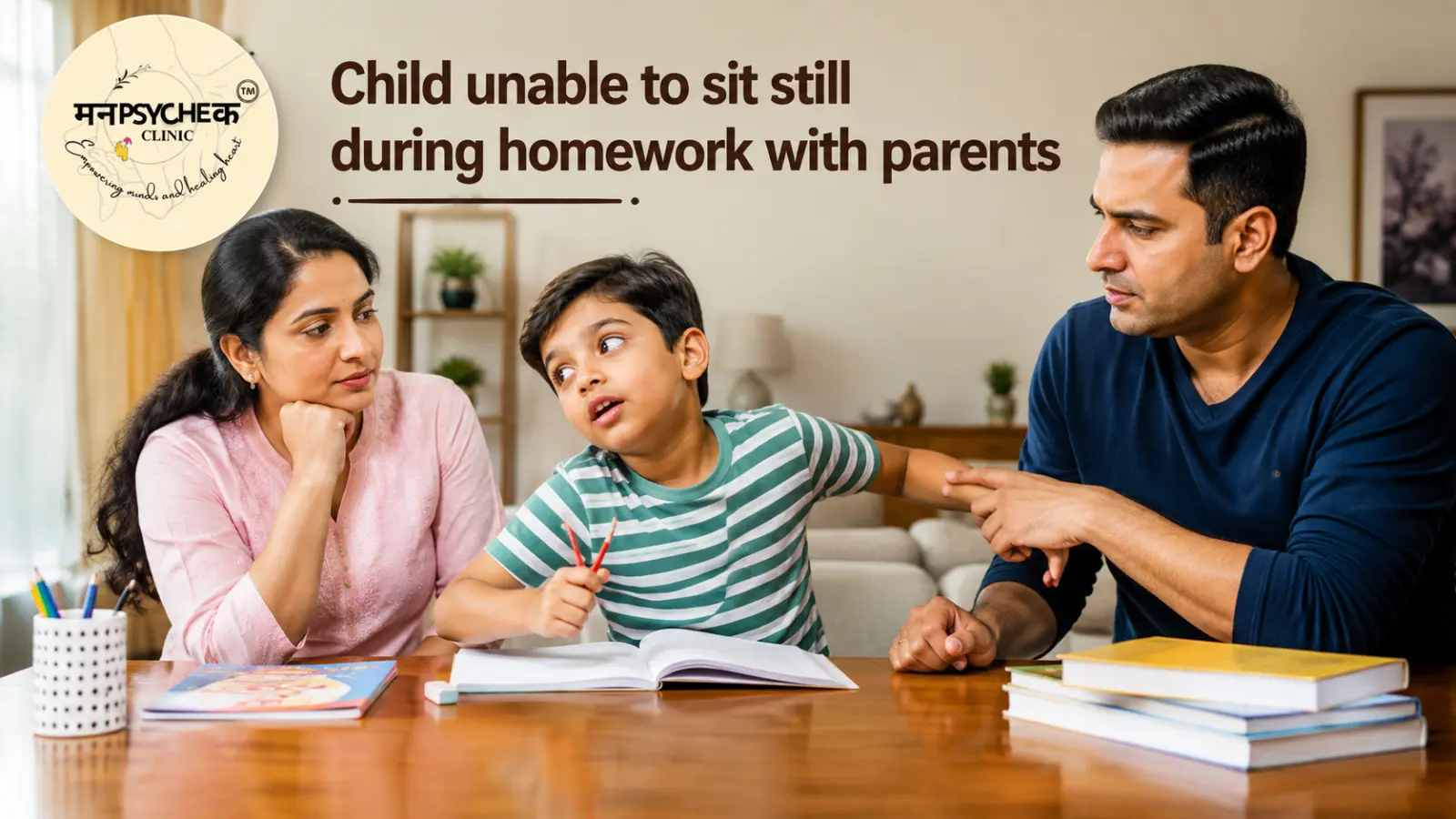
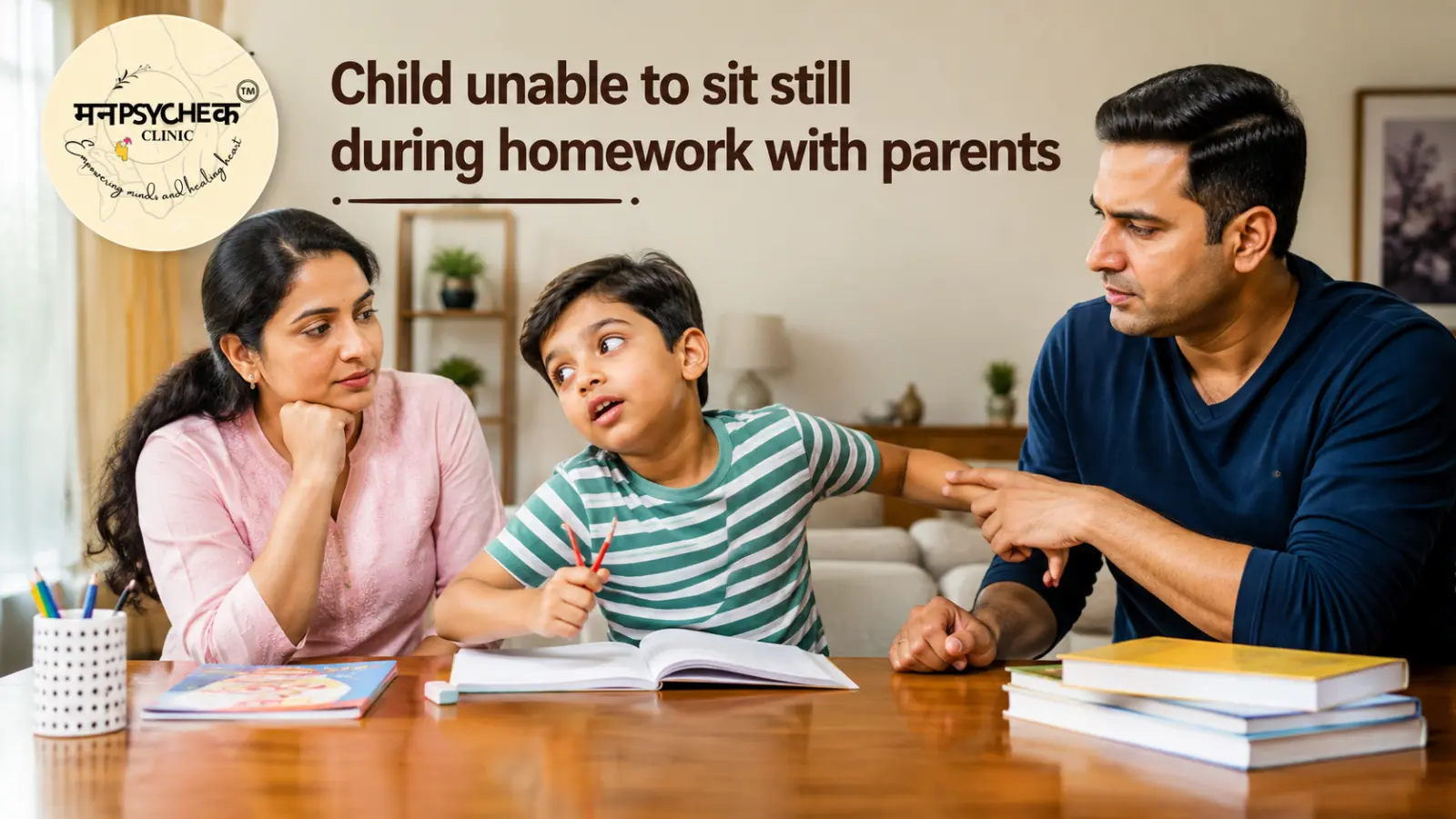
Why Can’t My Child Sit Still? Causes, ADHD Signs & What Parents Can Do
Many parents in Dwarka often wonder:
"Is this just a phase, or should I seek professional help?"
Understanding the difference can make a significant impact on your child's future development, emotional well-being, and academic success.
In this guide, we will discuss the most common warning signs that suggest it may be time to consult a child psychologist in Dwarka and how early intervention can help your child thrive.
Why Early Intervention Matters
Children's brains are rapidly developing during their early years. Identifying and addressing concerns early can:
- Improve communication skills
- Enhance emotional regulation
- Boost academic performance
- Strengthen social relationships
- Prevent future mental health challenges
- Increase independence and confidence
- Ignoring early signs often leads to more significant challenges later in life.
1. Frequent Emotional Outbursts and Extreme Tantrums
Tantrums are a normal part of childhood, especially between ages 2 and 5.
However, parents should be concerned if:
- Tantrums occur multiple times daily
- The child becomes aggressive during meltdowns
- Episodes last longer than 20-30 minutes
- The child struggles to calm down afterward
- Emotional reactions seem disproportionate to situations
Tantrums vs Behavioural Disorder
Many parents mistakenly assume all tantrums are normal.
Normal tantrums:
- Occur occasionally
- Reduce with age
- Improve with guidance
Possible behavioural disorder:
- Persistent aggression
- Defiance across settings
- Severe emotional dysregulation
- Difficulty following basic instructions
A qualified child psychologist in Dwarka can assess whether these behaviors are age-appropriate or indicate conditions such as Oppositional Defiant Disorder (ODD) or other behavioural concerns.
2. Persistent School Refusal
Every child may occasionally dislike school.
However, school refusal becomes concerning when a child:
- Frequently complains of stomach aches before school
- Cries excessively at drop-off
- Refuses to attend classes
- Experiences panic or anxiety related to school
- Shows a sudden decline in attendance
School refusal may be linked to:
- Anxiety disorders
- Bullying
- Learning difficulties
- Social challenges
- Separation anxiety
Professional assessment can help identify the underlying cause and provide effective solutions.
3. Delayed Speech and Language Development
One of the most common concerns among parents is speech delay.
Some warning signs include:
By 12 Months
- Limited babbling
- No response to name
By 18 Months
- Very few spoken words
By 2 Years
- Unable to combine two words
- Difficulty expressing needs
By 3 Years
- Speech difficult for others to understand
While some children are late talkers, persistent speech delays may require evaluation.
A child psychologist often works alongside speech therapists to understand whether speech challenges are developmental, behavioral, or related to broader conditions.
4. Difficulty Paying Attention
Children are naturally active and curious.
However, consistent difficulties such as:
- Inability to focus on tasks
- Frequent careless mistakes
- Easily distracted behavior
- Difficulty completing assignments
- Forgetfulness
may indicate underlying attention concerns.
Common ADHD Symptoms
Children with Attention Deficit Hyperactivity Disorder (ADHD) may show:
Inattention
- Difficulty concentrating
- Losing belongings frequently
- Poor organization
Hyperactivity
- Constant movement
- Excessive talking
- Difficulty sitting still
Impulsivity
- Interrupting conversations
- Acting without thinking
- Difficulty waiting turns
Early support significantly improves outcomes for children with ADHD.
5. Limited Social Interaction
Children naturally seek interaction with family members and peers.
Parents should pay attention if their child:
- Avoids eye contact
- Prefers isolation
- Has difficulty making friends
- Shows little interest in social play
- Struggles to understand emotions
Social challenges may be associated with anxiety, developmental delays, or autism spectrum disorder.
6. Possible Early Autism Signs
Many parents notice subtle developmental differences long before receiving a diagnosis.
Common Autism Signs
- Limited eye contact
- Delayed speech development
- Repetitive behaviors
- Intense interest in specific objects
- Difficulty understanding social cues
- Preference for routines
- Sensory sensitivities
It is important to remember that autism presents differently in every child.
Early assessment and intervention can greatly improve communication, social skills, and adaptive functioning.
7. Sudden Changes in Behaviour
Parents know their child best.
If you notice sudden changes such as:
- Increased irritability
- Withdrawal from family activities
- Sleep disturbances
- Loss of interest in favorite activities
- Excessive fearfulness
it may signal emotional distress.
Children often express emotional struggles through behavior rather than words.
8. Academic Difficulties Despite Effort
Some children work hard but continue to struggle academically.
Signs may include:
- Difficulty reading
- Problems with writing
- Trouble understanding instructions
- Poor memory retention
- Avoidance of homework
These concerns may indicate learning difficulties that benefit from professional evaluation.
9. Excessive Anxiety or Fear
Occasional worries are normal.
However, persistent anxiety may look like:
- Fear of separation from parents
- Excessive worrying
- Avoidance of social situations
- Frequent physical complaints without medical causes
- Difficulty sleeping
Early support helps children develop healthy coping strategies.
10. Aggressive or Self-Injurious Behaviour
Seek professional help immediately if your child:
- Frequently hits, bites, or kicks others
- Engages in self-harm behaviors
- Displays extreme aggression
- Threatens harm to themselves or others
These behaviors require timely assessment and intervention.
Warning Signs Parents Commonly Ignore
Many parents delay seeking help because they believe:
- "My child will outgrow it."
- "Boys are naturally hyperactive."
- "She's just shy."
- "Everyone develops differently."
While sometimes true, persistent concerns should never be ignored.
Early identification often leads to faster and more effective outcomes.
When Should You Consult a Child Psychologist in Dwarka?
You should consider consulting a child psychologist in Dwarka if:
- Behaviors interfere with daily life
- Teachers regularly express concerns
- Social relationships are affected
- Emotional struggles persist for months
- Developmental milestones are delayed
- Family stress is increasing due to the child's behavior
Professional guidance can provide clarity, support, and evidence based intervention strategies.
How a Child Psychologist Can Help
A child psychologist can:
- Conduct developmental assessments
- Evaluate behavioral concerns
- Identify ADHD symptoms
- Screen for autism signs
- Support emotional regulation
- Improve social skills
- Guide parents with effective behavior management techniques
- Collaborate with schools and therapists
The goal is not to label children but to understand their needs and help them reach their full potential.
Final Thoughts
Every child experiences challenges while growing up. However, when emotional, behavioral, social, or developmental difficulties begin affecting daily life, seeking professional support can make a significant difference.
If you notice persistent tantrums, school refusal, speech delay, autism signs, ADHD symptoms, or other developmental concerns, consulting a qualified child psychologist in Dwarka can provide the guidance and support your child needs.
Remember: Early intervention is not about finding problems it is about creating opportunities for your child's success, confidence, and well-being.
Frequently Asked Questions
Q1. How do I know if my child needs a psychologist?
A1. If behavioral, emotional, social, or developmental concerns persist for several months and interfere with daily functioning, professional assessment is recommended.
Q2. Can a child psychologist diagnose ADHD?
A2. Yes. A child psychologist can assess ADHD symptoms and recommend appropriate interventions.
Q3. Is speech delay always a sign of autism?
A3. No. Speech delay can occur for many reasons, including hearing difficulties, language disorders, or developmental delays.
Q4. At what age should autism screening be done?
A4. Autism screening can begin as early as 18 to 24 months if developmental concerns are present.
Q5. How often should a child see a psychologist?
A5. The frequency depends on the child's needs, goals, and treatment plan developed by the psychologist.