Home › Guidance For Parents › Can Children Recover From Autism? What Research Says
Can Children Recover From Autism? What Research Says
Can Children Recover From Autism?
The short answer: Many autistic children make significant improvements in communication, learning, social interaction, emotional regulation, and independence with appropriate support and intervention.
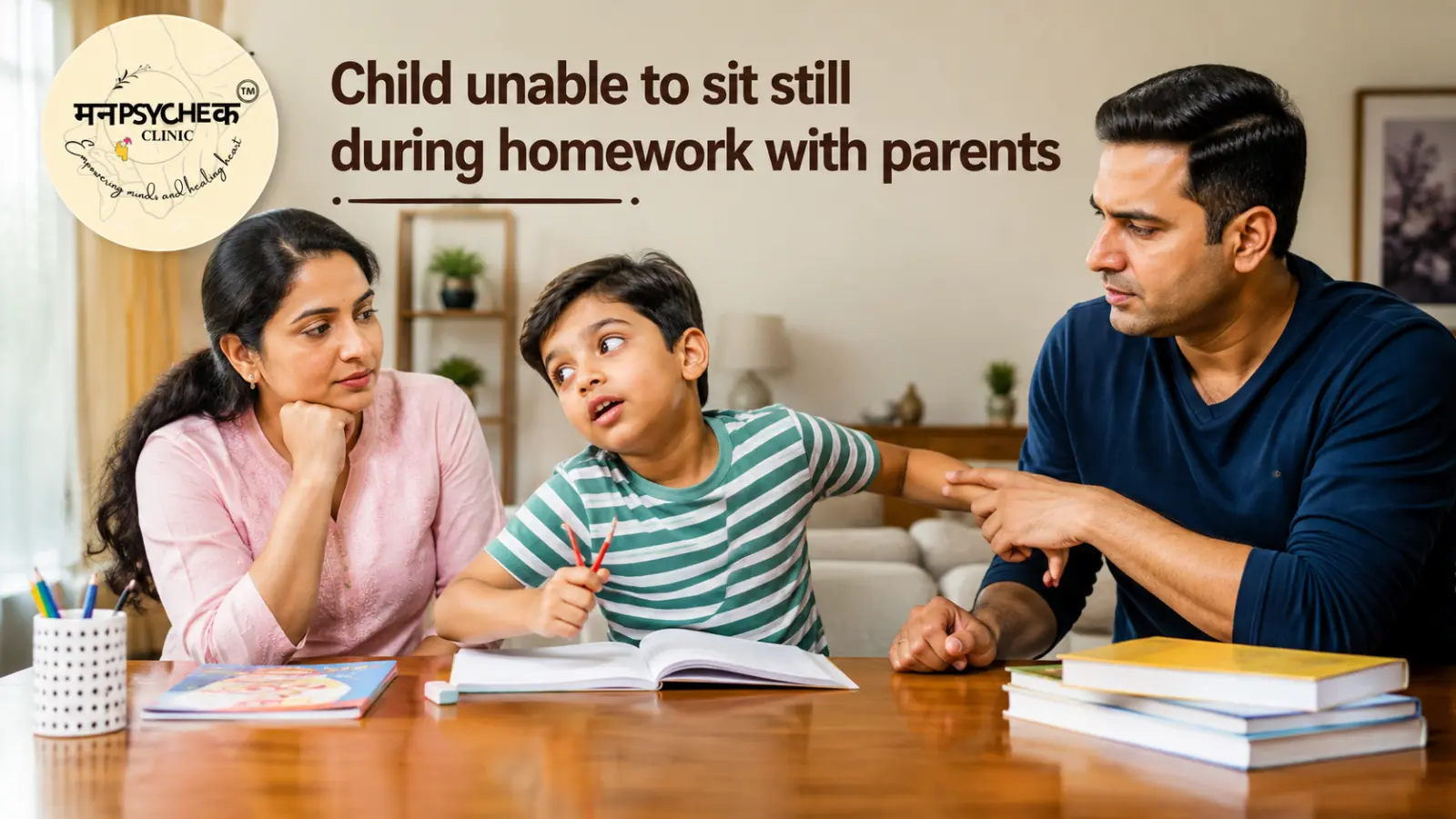
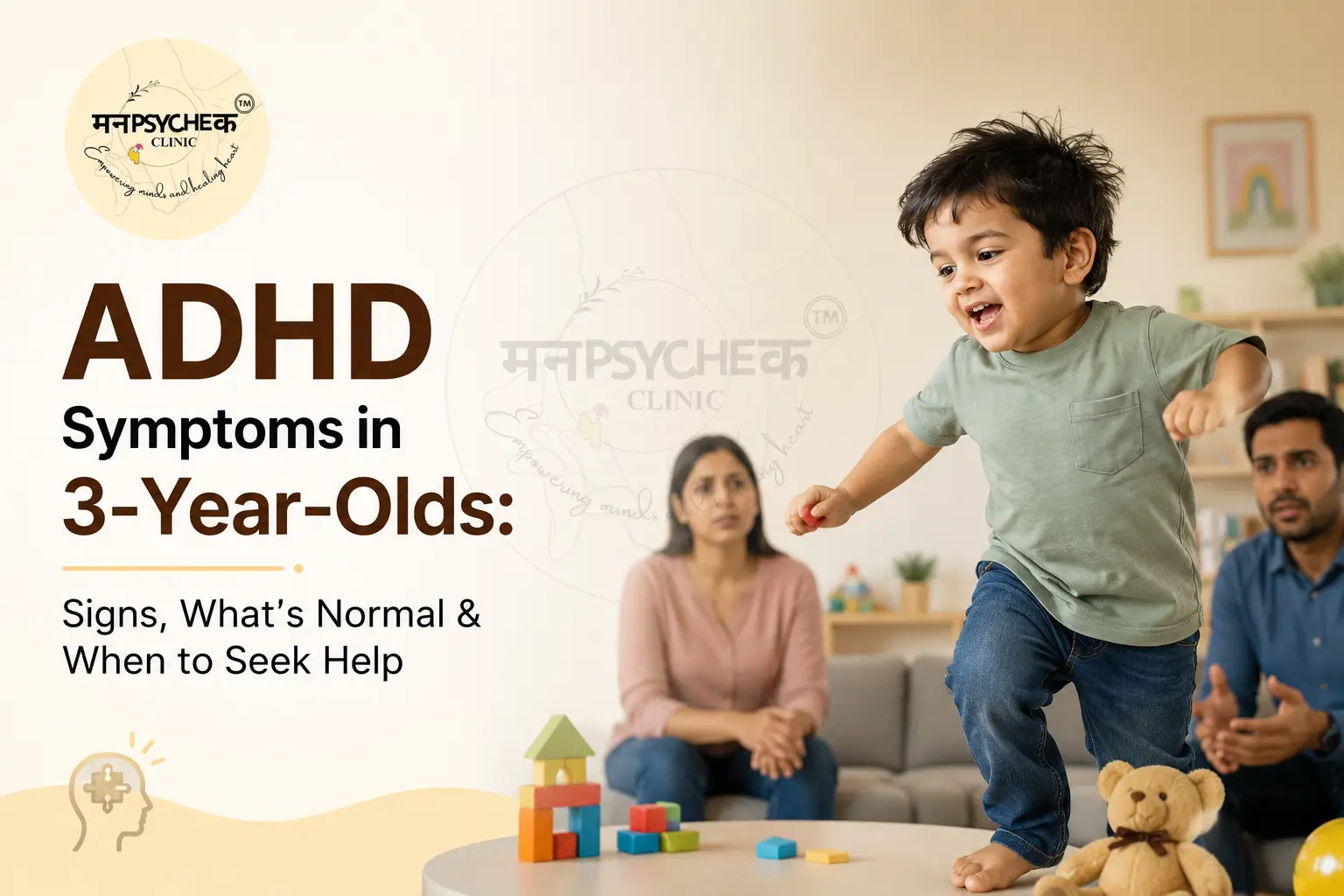
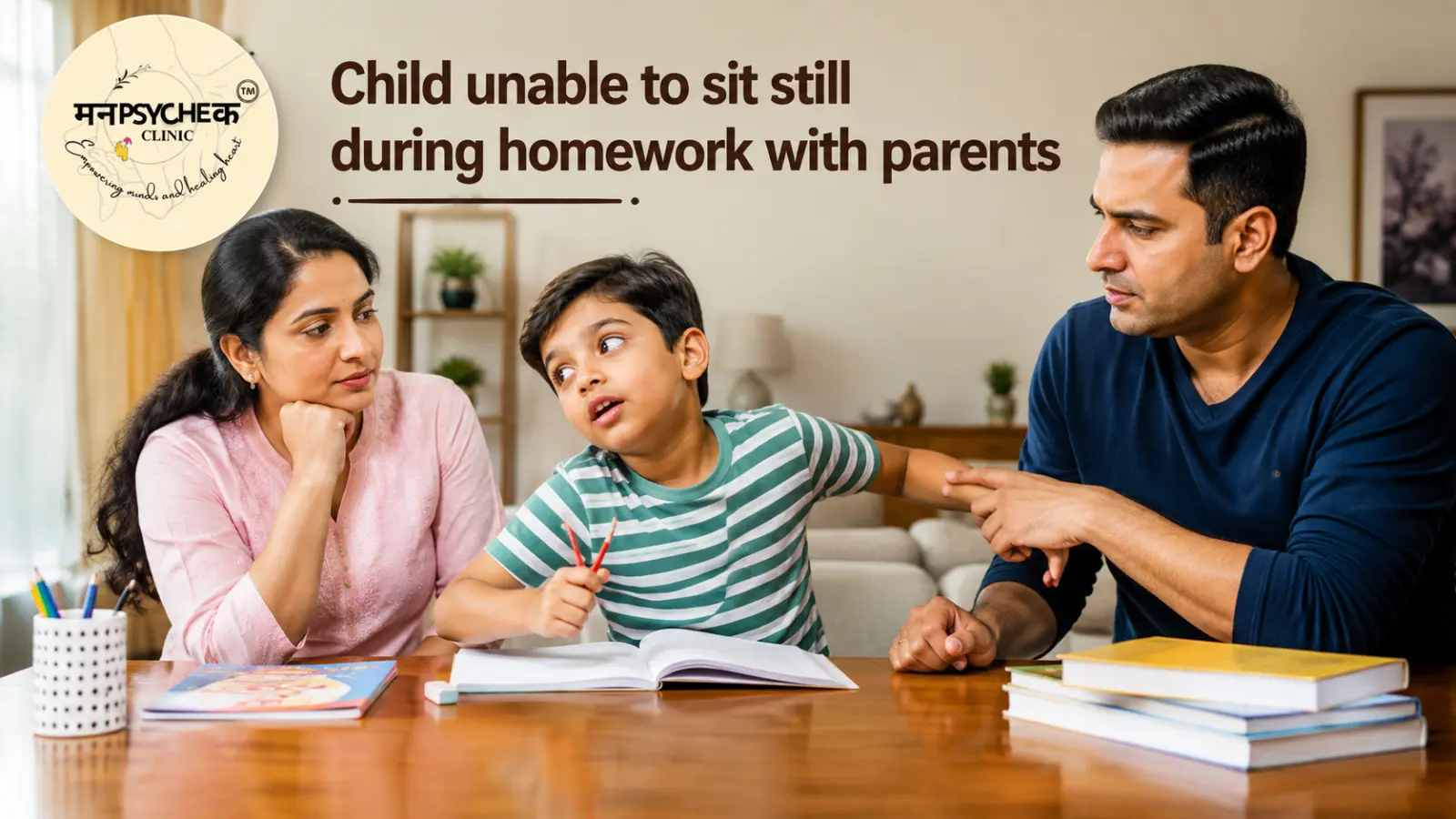
Why Can't My Child Sit Still? Causes, ADHD Signs & What Parents Can Do
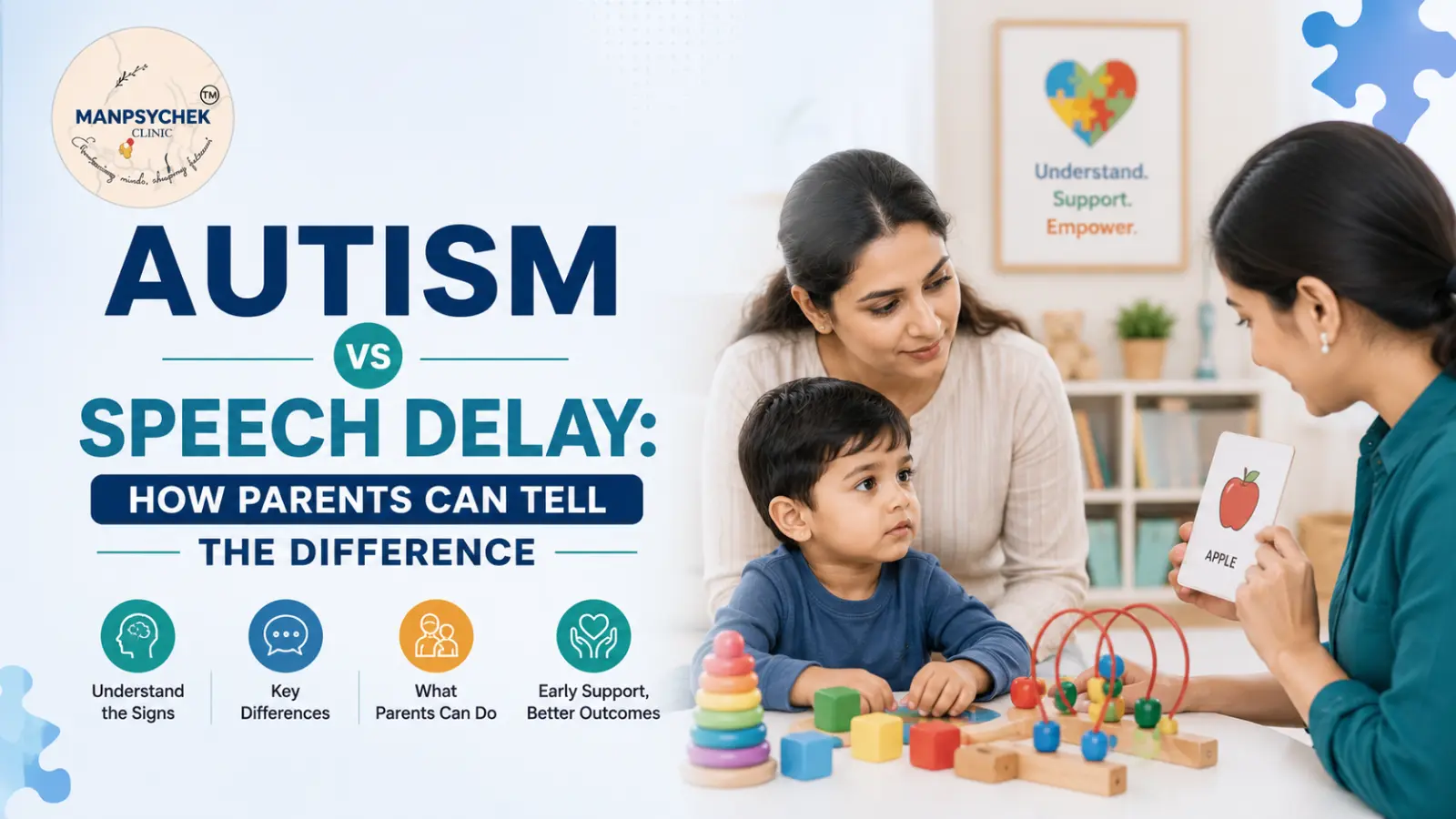
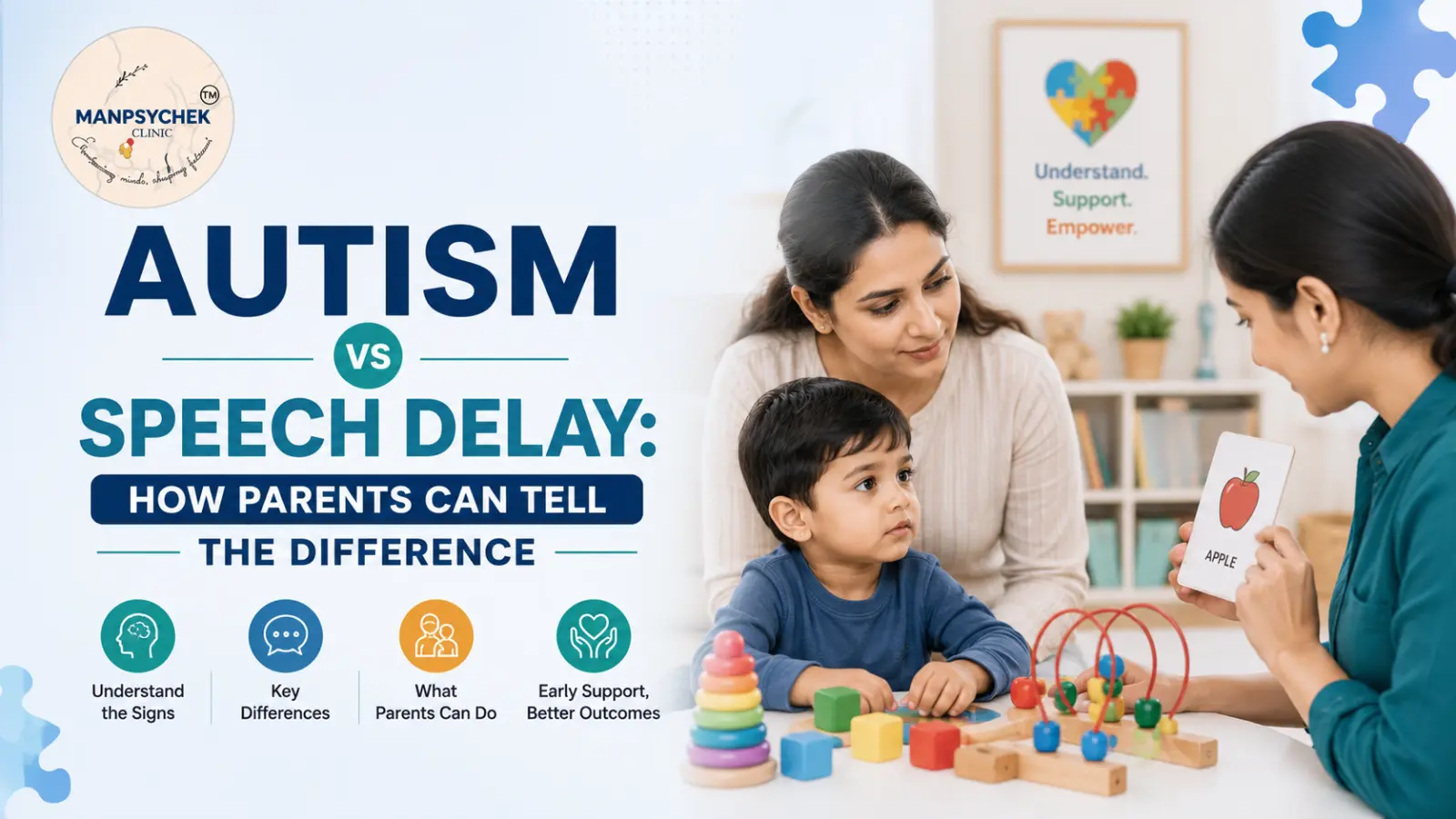
What Causes Autism? Understanding the Science, Risk Factors & Early Signs
However, Autism Spectrum Disorder (ASD) is generally considered a lifelong neurodevelopmental condition. Therapy should not be presented as a cure.
A small number of children who were diagnosed with autism in early childhood may later no longer meet diagnostic criteria. Researchers sometimes describe this as an “optimal outcome.” However, this is uncommon and should not be expected for every child.
For parents, a more helpful question is:
How can we help my child learn, communicate, and become more independent?
That question focuses on what can actually be supported.
What Is Autism Spectrum Disorder?
Autism Spectrum Disorder is a neurodevelopmental condition that can affect:
- Social communication
- Language development
- Behaviour
- Sensory processing
- Learning
- Emotional regulation
- Daily living skills
Autism is called a spectrum because every child is different. Some children need significant support throughout life, while others become highly independent.
Autism is not caused by poor parenting or vaccines. It is associated with differences in early brain development.
Can Autism Symptoms Improve?
Yes. Many children can develop important new skills with individualized, evidence-based intervention.
Progress may include:
- Better communication
- Increased social engagement
- Improved play skills
- Better emotional regulation
- Greater independence
- Improved school participation
- Better daily living skills
However, improvement does not necessarily mean that autism has disappeared.
The goal of intervention is not to make a child “normal.” It is to help the child communicate, participate, learn, and live as independently and comfortably as possible.
What Does Optimal Outcome Mean?
Research has identified a small group of children who were diagnosed with autism early in life but later no longer met the diagnostic criteria.
This is sometimes called an optimal outcome.
Some children in these studies had factors such as:
- Early identification
- Access to intervention
- Strong family involvement
- Stronger early language or cognitive skills
However, an optimal outcome is not guaranteed, and some individuals may continue to experience learning, attention, anxiety, or social communication difficulties.
Therefore, parents should be cautious about anyone promising that a particular therapy will “reverse” or “cure” autism.
Why Do Some Children Make More Progress Than Others?
Every child develops differently.
Progress can be influenced by many factors, including:
- Age when developmental concerns are identified
- Individual strengths and challenges
- Access to appropriate intervention
- Family involvement
- Consistency between home, school, and therapy
- The quality and suitability of intervention
- Other developmental or learning needs
Early identification can provide children with more opportunities to receive appropriate support.
However, no professional can accurately predict exactly how much an individual child will improve.
Signs Your Child May Be Making Progress
Progress does not always happen quickly. Small improvements can be meaningful.
Communication
Your child may:
- Use more words, sounds, signs, or gestures
- Ask for help
- Follow instructions more consistently
- Express needs more effectively
- Initiate communication more often
Social Interaction
You may notice:
- More interest in people
- Better turn-taking
- Increased participation in interactive activities
- Sharing toys or interests
- Greater engagement with family members or peers
Eye contact can vary naturally between individuals and should not be used as the only measure of progress.
Play Skills
Progress may include:
- More flexible ways of playing
- Pretend play
- Cooperative play
- Greater imagination
- Longer engagement with meaningful activities
Emotional Regulation and Behaviour
A child may gradually develop:
- Better ways to communicate frustration
- Greater flexibility with changes
- Improved ability to wait and take turns
- Better attention during learning
- Fewer situations where communication difficulties lead to distress
Independence
Children may become more independent with:
- Dressing
- Eating
- Toileting
- Personal hygiene
- Following routines
- School participation
For many families, these everyday skills have a significant impact on quality of life.
What Does Early Intervention Do?
Research suggests that early, individualized intervention can support developmental progress in areas such as communication, adaptive behaviour, learning, and daily functioning.
Intervention should be based on the child's individual strengths and needs.
Common supports may include:
1. ABA Therapy
Applied Behavior Analysis (ABA) can be used to teach functional skills such as communication, learning, play, social interaction, and daily living.
Modern ABA programs should be individualized and focused on meaningful outcomes for the child.
2. Speech and Language Therapy
Speech therapy can support:
- Understanding language
- Expressive communication
- Social communication
- Conversation skills
Alternative and Augmentative Communication (AAC), when appropriate
3. Occupational Therapy
Occupational therapy can help children participate more successfully in everyday activities.
Goals may include:
- Fine motor skills
- Self-care
- Attention
- Sensory-related needs
- Feeding
- Dressing
- Classroom participation
4. Special Education
Special education can support:
- School readiness
- Functional academics
- Learning
- Classroom participation
- Social skills
- Individualized educational goals
5. Parent Training
Parents play an important role in supporting development at home.
Parent coaching may include strategies for:
- Communication
- Play
- Positive behaviour support
- Daily routines
- Emotional regulation
6. Psychological Support
Some autistic children may also experience anxiety, emotional difficulties, school stress, bullying, or low self-esteem.
Psychological support can help children and families develop coping skills and emotional well-being.
What Can Parents Do at Home?
Therapy does not have to stop when the child leaves the clinic.
- Create Predictable Routines
Visual schedules, timers, picture cards, and transition warnings can help children understand what is happening next.
- Encourage Communication
Use everyday activities such as cooking, bathing, shopping, dressing, and playing as opportunities for communication.
Respond positively to communication attempts through gestures, sounds, signs, pictures, or spoken words.
- Follow Your Child’s Interests
Join your child's preferred activities and use them to create opportunities for interaction, play, and communication.
- Celebrate Small Improvements
A new word, gesture, social interaction, independent task, or new skill can be an important milestone.
Development is rarely completely linear.
When Should Parents Seek an Autism Assessment?
Consider seeking a developmental assessment if your child has:
- Delayed speech or language
- Limited response to their name
- Persistent social communication difficulties
- Repetitive behaviours
- Sensory difficulties affecting daily life
- Loss of previously acquired skills
- Significant difficulties at preschool or school
Seeking an assessment does not automatically mean your child will receive an autism diagnosis.
A professional assessment can help identify your child's strengths, developmental needs, and appropriate next steps.
Be Careful With “Miracle Cure” Claims
Parents may encounter advertisements promising to:
- Cure autism
- Reverse autism
- Permanently eliminate autism
- Guarantee recovery
Be cautious with these claims.
There is currently no scientifically established treatment that guarantees a cure for autism.
Before starting a new therapy, supplement, diet, or other intervention, discuss it with an appropriately qualified professional and ask about the evidence, potential benefits, and risks.
Autism Recovery: Myths vs Facts
| Myth | Fact |
|---|---|
| Autism can always be cured. | Autism is generally considered a lifelong neurodevelopmental condition, although many children make meaningful progress. |
| Therapy removes autism. | Therapy focuses on developing useful skills and improving participation and quality of life. |
| Every child improves in the same way. | Progress varies from child to child. |
| Talking more means autism is gone. | Speech improvement alone does not determine an autism diagnosis. |
| Older children cannot improve. | Children and adults can continue learning and developing new skills throughout life. |
| Slow progress means therapy is not working. | Development is often gradual and can vary over time. |
Frequently Asked Questions
Q1. Can children recover completely from autism?
A2. Autism is generally considered a lifelong neurodevelopmental condition. However, many children make significant improvements in communication, learning, adaptive skills, and independence. A small number may later no longer meet diagnostic criteria, but this is uncommon.
Q2. Can ABA therapy cure autism?
A2. No. ABA therapy should not be presented as a cure for autism. It can help children develop meaningful communication, learning, social, and daily living skills when appropriately individualized.
Q3. At what age should autism therapy begin?
A3. Support should begin as soon as developmental concerns are identified and an appropriate assessment has been completed. Early support can provide valuable opportunities for learning and development.
Q4. Can speech therapy help children with autism?
A4. Yes. Speech and language therapy can support communication, language understanding, social communication, and alternative communication methods when needed.
Q5. Can autistic children attend regular schools?
A5. Many autistic children attend mainstream schools with appropriate accommodations and individualized support. Others may benefit from specialized educational settings depending on their learning and support needs.
How MannpsycheK Can Help
At MannpsycheK Child Development & Mental Health Centre, we believe every child deserves individualized, evidence-based, and compassionate support.
Our services include:
- Autism Assessment
- Child Psychology
- ABA Therapy
- Speech & Language Therapy
- Occupational Therapy
- Special Education
- ADHD Assessment
- Learning Disability Assessment
- Behaviour Therapy
- Parent Counselling & Training
- School Readiness Programs
- Individualized Education Planning (IEP)
Our team supports families in Dwarka, Dwarka Mor, and the surrounding Delhi NCR area.
The focus is not simply on reducing symptoms. It is on helping children develop meaningful skills, participate in everyday life, and reach their individual potential.
Conclusion
An autism diagnosis does not determine a child's entire future.
Children can make meaningful progress in communication, learning, social participation, emotional regulation, and independence. The amount and pace of progress will be different for every child.
Instead of asking:
Will my child recover from autism?
A more useful question is:
How can we help my child thrive?
Early identification, appropriate assessment, individualized intervention, family involvement, and collaboration between professionals and educators can give children valuable opportunities to learn and develop.
Every child's journey is different and every meaningful milestone matters.
Book an Autism Assessment at MannpsycheK
If you are concerned about your child's speech, behaviour, social interaction, learning, or developmental milestones, consider seeking a professional developmental assessment.
MannpsycheK Child Development & Mental Health Centre provides developmental assessment and individualized intervention for children with autism, ADHD, speech delay, learning difficulties, and other developmental concerns.
If you are searching for an autism assessment in Dwarka Mor, ABA therapy near Dwarka Sector 15, speech therapy in Dwarka, or child psychology services in Dwarka, our team can help you understand your child's strengths, needs, and appropriate next steps.
Early understanding leads to better support. The first step begins with a professional developmental assessment.
Clinically reviewed by Dr. Saurav D. S. Dogra
Rehabilitation Psychologist | RCI Registered Special Educator
Director, Mann Psyche Child Development & Mental Health Centre
K.S. Mann Psyche India Pvt. Ltd., Dwarka, New Delhi