Home › Autism › What Causes Autism? Understanding the Science, Risk Factors & Early Signs
What Causes Autism? Understanding the Science, Risk Factors & Early Signs
What Causes Autism?
Autism Spectrum Disorder (ASD) is a neurodevelopmental condition caused by a combination of genetic and environmental factors that influence early brain development before and shortly after birth. There is no single cause of autism, and extensive scientific research has shown that vaccines do not cause autism. Early identification and evidence-based intervention can significantly improve a child's communication, learning, and daily functioning.
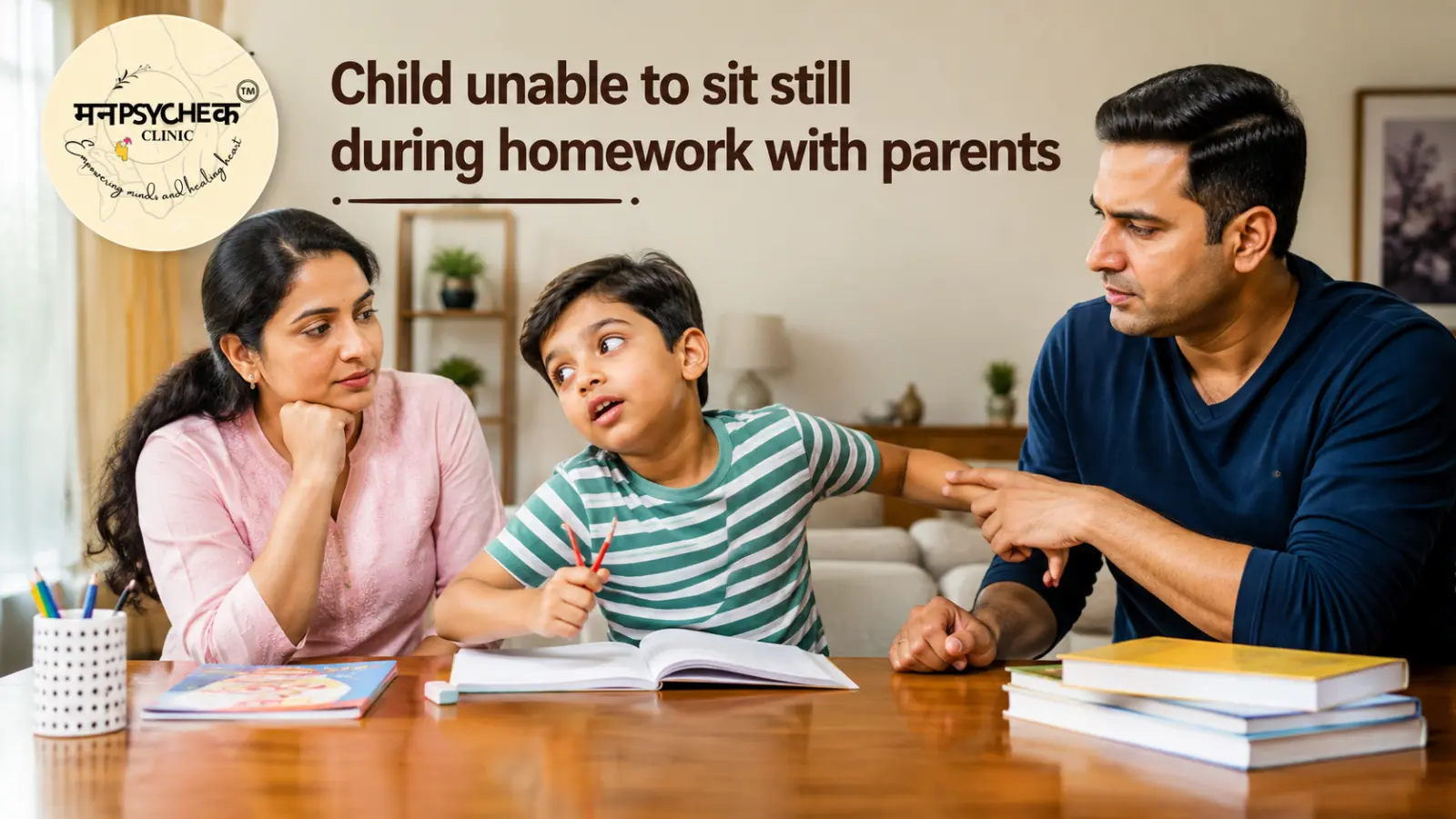
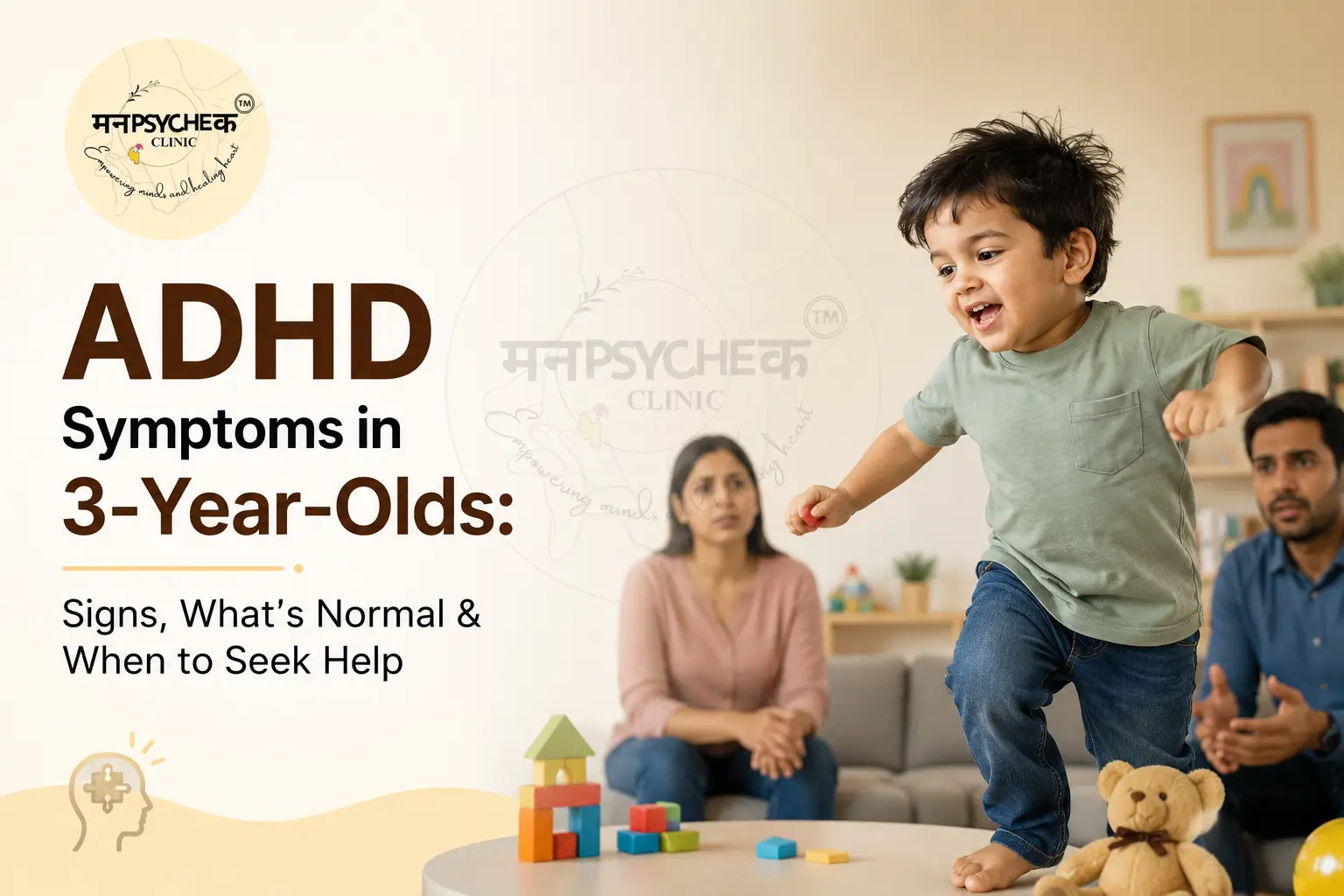
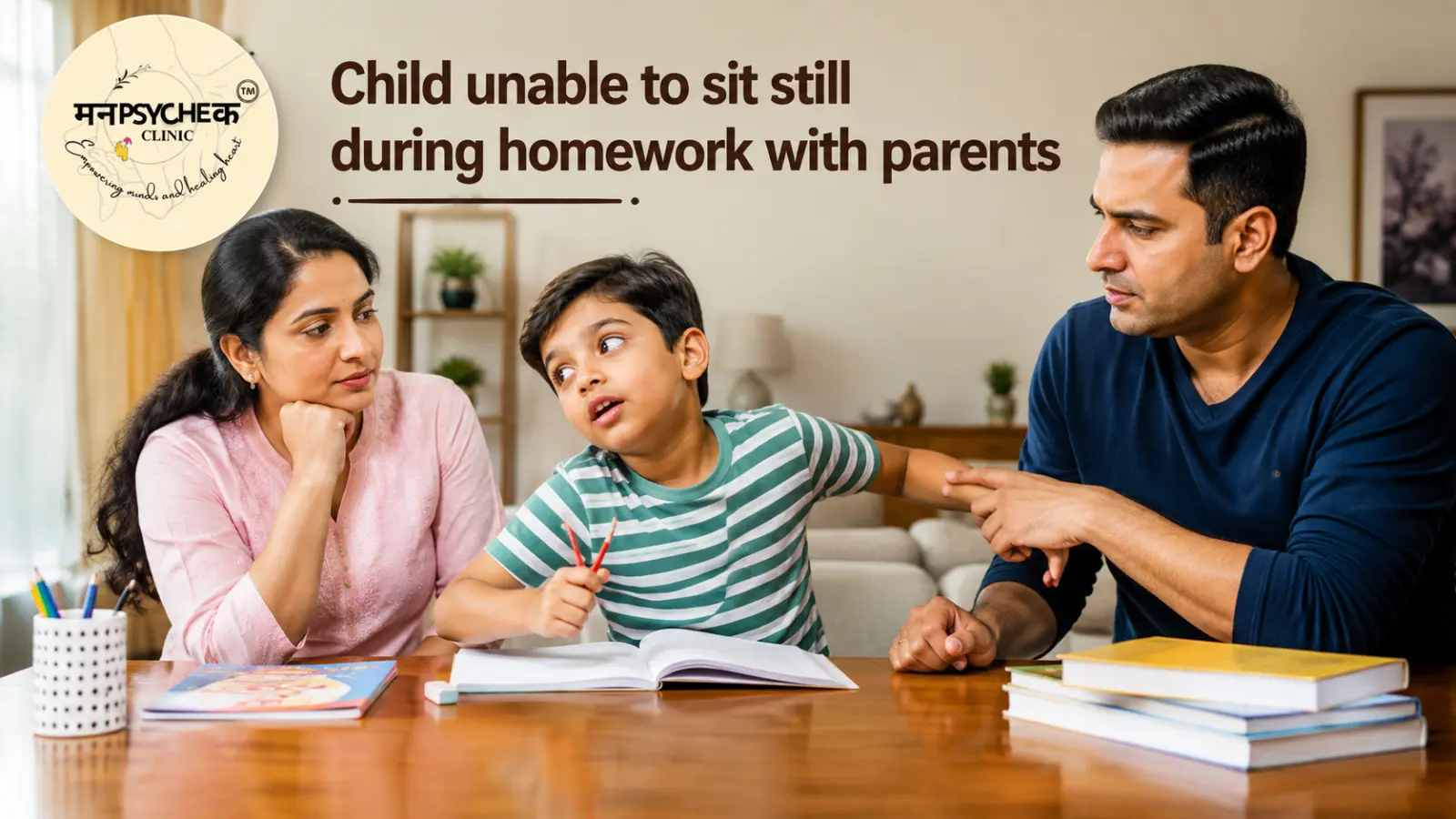
Why Can't My Child Sit Still? Causes, ADHD Signs & What Parents Can Do
Introduction
"Did I do something wrong?"
This is one of the most common questions parents ask after noticing developmental differences in their child or receiving an autism diagnosis. Many parents worry that something they did during pregnancy, their parenting style, or their child's early experiences caused autism.
The short answer is no.
Modern research has consistently shown that autism is not caused by poor parenting, lack of love, vaccinations, or a child's personality. Instead, Autism Spectrum Disorder (ASD) develops because of complex interactions between genetics, early brain development, and certain environmental influences before or around birth.
Understanding what causes autism is important because it helps families move away from guilt and misinformation and focus on what truly matters - early assessment, appropriate intervention, and ongoing support.
In this guide, we'll explain the science in simple language, discuss known risk factors, clarify common myths, and help you understand when to seek professional guidance if you have concerns about your child's development.
Understanding Autism Spectrum Disorder (ASD)
Autism Spectrum Disorder (ASD) is a neurodevelopmental condition, meaning it affects how the brain develops and processes information from an early age.
Children and adults with autism may experience differences in:
- Social communication
- Language development
- Understanding emotions and social cues
- Behaviour patterns
- Sensory processing
- Learning styles
- Adaptability to change
The word "spectrum" means autism affects each individual differently. Some people require significant daily support, while others live independently with minimal assistance.
Autism is not a disease and not a mental illness. It is a lifelong developmental condition, although many individuals make meaningful progress with appropriate interventions, education, and family support.
Why Do Scientists Still Say There Is No Single Cause?
One of the biggest misconceptions is that researchers have found one specific cause of autism.
They have not.
Instead, decades of research suggest that autism develops because multiple biological factors interact during early brain development.
Think of it like baking a cake.
A cake is not made by one ingredient. Flour alone cannot make a cake. Neither can eggs or sugar. Only when several ingredients combine under specific conditions does the final result emerge.
Similarly, autism appears to result from the interaction of:
- Genetic influences
- Brain development
- Prenatal environmental factors
- Biological processes occurring before birth
Researchers continue to study these interactions, but current evidence indicates that there is no single trigger responsible for all cases of autism.
What Does Research Say About the Causes of Autism?
Scientific evidence suggests that autism develops due to a combination of:
1. Genetic Factors
Genetics plays the most significant known role in autism.
Studies involving twins, families, and large population databases consistently show that inherited genetic factors contribute substantially to the likelihood of developing autism.
Researchers have identified hundreds of genes associated with brain development that may increase susceptibility to autism. Importantly, no single "autism gene" exists. Instead, many different genetic variations can influence neurodevelopment.
These genes may affect:
- Brain connectivity
- Neuron communication
- Synapse formation
- Language development
- Sensory processing
- Social behaviour
Does Autism Run in Families?
Yes, autism can occur more frequently within families.
For example:
- A child with an autistic sibling has a higher likelihood of also being diagnosed compared with the general population.
- A family history of autism or certain neurodevelopmental conditions may increase risk.
However, many autistic children have no known family history, indicating that genetics is only one part of the overall picture.
2. Brain Development Before Birth
Research suggests that differences in brain development begin during pregnancy, long before autism symptoms become noticeable.
Brain imaging and developmental studies have found differences in:
- Neural connectivity
- Brain growth patterns
- Synaptic organisation
- Information processing networks
These changes are believed to occur very early in development, often before birth.
This is why parents usually do not notice autism immediately after delivery. Instead, early signs often become more apparent between 12 and 24 months, when communication and social interaction typically develop rapidly.
3. Environmental Factors
When scientists discuss environmental factors, they do not mean parenting style, family relationships, or screen time as direct causes.
Instead, they refer to biological exposures that may influence fetal brain development before or around birth.
Examples currently being studied include:
- Advanced parental age
- Premature birth
- Very low birth weight
- Certain pregnancy complications
- Maternal infections during pregnancy
- Significant prenatal exposure to some environmental pollutants
It is important to understand that these factors may increase risk, but they do not directly cause autism on their own.
Most children exposed to these factors do not develop autism, and many autistic children were never exposed to them.
Risk Factors Associated With Autism
A risk factor is something associated with a higher chance of developing a condition. It is not the same as a cause.
Below are risk factors supported to varying degrees by current research.
| Risk Factor | Evidence |
|---|---|
| Family history of autism | Strong |
| Certain genetic conditions (e.g., Fragile X syndrome) | Strong |
| Older parental age | Moderate |
| Premature birth | Moderate |
| Low birth weight | Moderate |
| Pregnancy complications | Moderate |
| Maternal infections during pregnancy | Moderate |
| Certain prenatal medication exposures (specific situations) | Limited/Specific |
| Environmental pollution (ongoing research) | Emerging |
Having one or more of these factors does not mean a child will develop autism.
The Science Behind Autism: What Happens in the Brain?
Autism is fundamentally related to how the brain develops and communicates.
Imagine the brain as a city with billions of roads connecting different neighbourhoods.
In many autistic individuals:
- Some pathways may be more strongly connected than usual.
- Others may be less efficiently connected.
- Information may travel differently between brain regions.
These differences can affect:
Communication
Children may understand language differently or develop speech later than expected.
Social Understanding
Recognising facial expressions, gestures, eye contact, or conversational cues may be more challenging.
Sensory Processing
Some children become overwhelmed by:
- Loud sounds
- Bright lights
- Certain textures
- Crowded places
- Specific smells
Others may actively seek sensory experiences such as spinning, jumping, or deep pressure.
Behaviour
Repetitive movements or routines often help regulate emotions, reduce anxiety, or make the environment feel more predictable.
Importantly, these behaviours are not deliberate misbehaviour. They often reflect how the child's nervous system processes information.
Can Autism Be Caused by Vaccines?
No.
This is one of the most thoroughly researched questions in medicine.
Large, high-quality studies involving hundreds of thousands of children across multiple countries have found no evidence that vaccines cause autism.
The misconception began with a study published in the late 1990s that was later found to contain serious ethical and scientific misconduct. The paper was formally retracted, and its conclusions have been discredited.
Major health organisations including the World Health Organization (WHO), the U.S. Centers for Disease Control and Prevention (CDC), and the American Academy of Pediatrics (AAP) agree that vaccines do not increase the risk of autism.
Protecting children through routine immunisation remains one of the safest and most effective ways to prevent serious infectious diseases.
Can Parenting Cause Autism?
No.
Autism is not caused by:
- Lack of affection
- Poor parenting
- Discipline style
- Working parents
- Breastfeeding choices
- Formula feeding
- Toilet training methods
- Emotional neglect alone
This misconception dates back several decades to the outdated "refrigerator mother" theory, which incorrectly blamed emotionally distant mothers for autism. That theory has been completely rejected by modern science.
Parents do not cause autism.
However, parents play one of the most important roles in supporting a child's development through early intervention, responsive communication, and consistent therapeutic support.
Key Takeaways So Far
- Autism develops because of multiple interacting genetic and biological factors, not one single cause.
- Genetics is the strongest known contributor, but it does not explain every case.
- Environmental influences studied by researchers relate mainly to prenatal and early developmental biology, not parenting style.
- Vaccines do not cause autism.
- Early recognition and evidence-based intervention can improve communication, adaptive skills, and quality of life.
Early Signs of Autism: What Parents Should Watch For
Every child develops at their own pace. Some children walk early but speak later, while others may develop language before motor skills. A slight variation in development is often normal.
However, when multiple developmental differences occur together particularly in social communication, interaction, play, and behaviour it is important to seek a professional developmental assessment.
Autism signs usually become noticeable between 12 and 24 months, although some children show differences earlier and others may not be identified until preschool or school age.
Important: Having one or two of these signs does not automatically mean a child has autism. Only a comprehensive assessment by qualified professionals can determine the cause of developmental differences.
Early Signs of Autism by Developmental Area
1. Social Communication
Children with autism may:
- Respond inconsistently to their name.
- Avoid or have limited eye contact.
- Rarely point to share interest (joint attention).
- Prefer playing alone most of the time.
- Show limited interest in social games like peek-a-boo.
- Have difficulty understanding facial expressions or gestures.
- Not bring toys to show parents.
- Find it difficult to make friends appropriate for their age.
Why This Matters
Social communication is one of the core areas affected in Autism Spectrum Disorder (ASD). These differences are related to how the brain processes social information not to stubbornness or poor parenting.
2. Speech and Language Development
Possible signs include:
- Delayed first words.
- Delayed sentence formation.
- Loss of previously acquired words (in some children).
- Repeating words or phrases (echolalia).
- Speaking in an unusual tone, rhythm, or pitch.
- Difficulty starting or maintaining conversations.
- Literal understanding of language.
Some autistic children speak very little, while others have an advanced vocabulary but struggle with the social use of language (pragmatic communication).
3. Repetitive Behaviours
You may notice behaviours such as:
- Hand flapping
- Rocking
- Spinning
- Walking on tiptoes
- Lining up toys repeatedly
- Opening and closing doors for long periods
- Watching spinning objects
- Repeating the same routines every day
These behaviours often help the child regulate emotions, manage sensory input, or cope with change.
4. Sensory Differences
Many autistic children process sensory information differently.
They may become distressed by:
- Loud sounds
- Bright lights
- Certain clothing textures
- Haircuts
- Tooth brushing
- Crowded environments
Others actively seek sensory experiences by:
- Jumping repeatedly
- Crashing into cushions
- Spinning
- Looking closely at moving objects
- Enjoying deep pressure or tight hugs
Sensory needs vary greatly from one child to another.
5. Play Skills
Instead of engaging in pretend play, some children may:
- Spin the wheels of toy cars rather than drive them.
- Line up toys in a fixed order.
- Focus intensely on parts of objects.
- Repeat the same play activity for extended periods.
- Show limited imaginative play.
Again, this does not mean every child who lines up toys has autism, but when combined with social communication differences, it warrants further evaluation.
Red Flags That Should Prompt an Assessment
Parents should consider a developmental assessment if their child:
- Does not respond consistently to their name by around 12 months.
- Has no meaningful words by around 16 months.
- Has no two-word meaningful phrases by around 24 months (excluding imitation).
- Shows regression in speech or social skills.
- Avoids eye contact consistently.
- Rarely points, waves, or uses gestures to communicate.
- Appears unusually disconnected from social interaction.
- Has repetitive behaviours along with communication difficulties.
Early assessment does not label a child it helps identify strengths, challenges, and the most appropriate support.
A Real-Life Parent Scenario
Riya and Aarav (fictional example based on common clinical presentations)
Riya noticed that her 20-month-old son, Aarav, rarely responded when she called his name. He preferred spinning the wheels of toy cars rather than playing with them. He had not started using meaningful words and became upset whenever his daily routine changed.
Family members reassured her:
- "Boys speak late."
- "He'll grow out of it."
- "Don't worry."
Months passed, but the concerns continued. Eventually, Riya sought a developmental assessment.
The evaluation identified Autism Spectrum Disorder with speech and communication delays. Aarav began receiving:
- Speech Therapy
- ABA-based behavioural intervention
- Parent training
- Special education sessions
Within a year, he showed meaningful improvements in communication, eye contact, play skills, and daily routines.
The Lesson
Early support did not "change who Aarav was." It helped him develop skills that allowed him to communicate more effectively and participate more fully in everyday life.
Myths vs Facts About Autism
| Myth | Fact |
|---|---|
| Vaccines cause autism. | Extensive research shows vaccines do not cause autism. |
| Poor parenting causes autism. | Parenting does not cause autism. |
| Every autistic child is non-verbal. | Many autistic individuals develop spoken language, while others communicate using alternative methods. |
| Autism can be cured. | Autism is a lifelong neurodevelopmental condition. Intervention focuses on improving skills, participation, and quality of life. |
| All autistic children have intellectual disability. | Intelligence varies widely across the autism spectrum. |
| Autism only affects boys. | Autism occurs in both boys and girls, though girls may be under-recognised because they can present differently. |
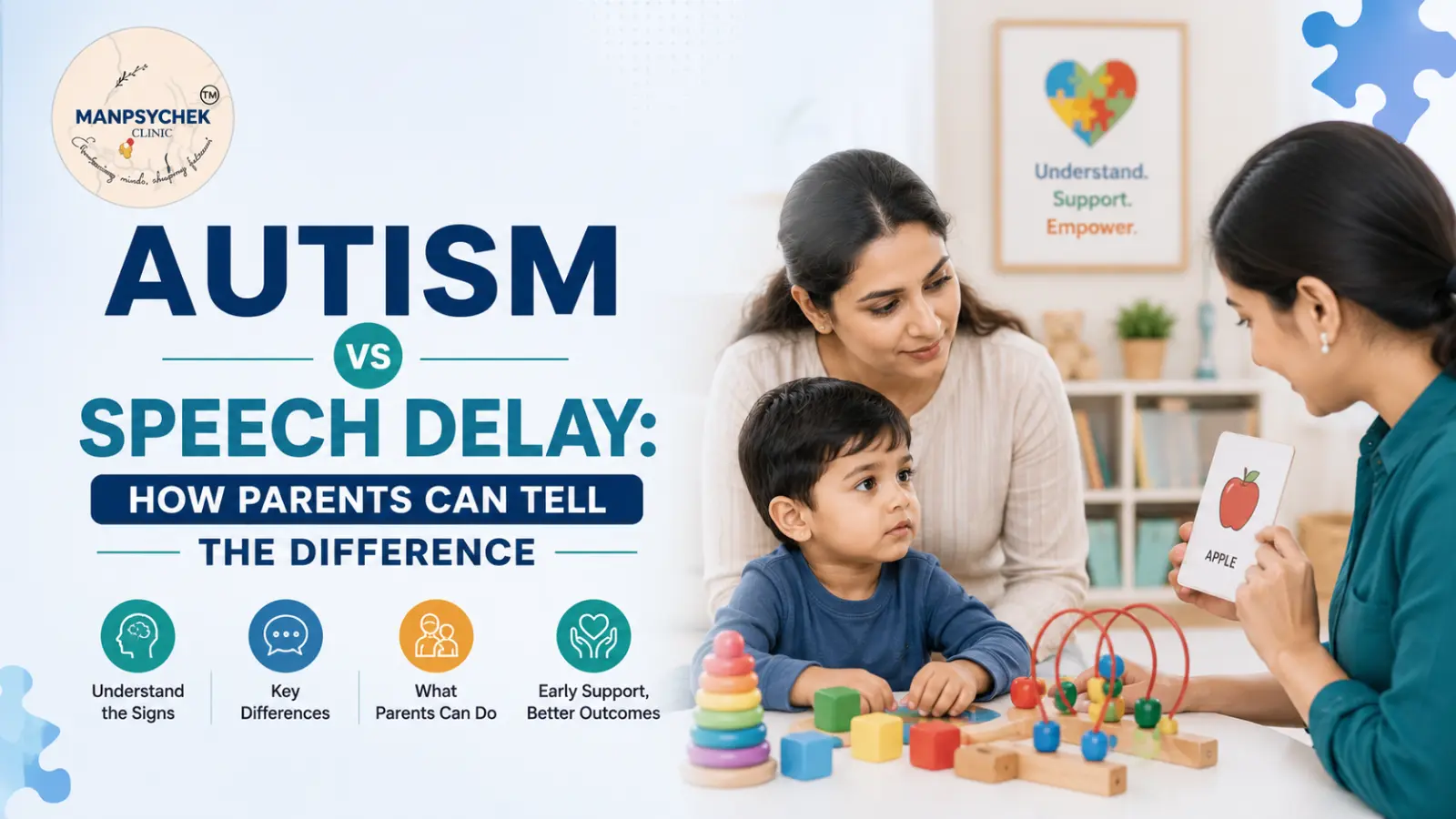
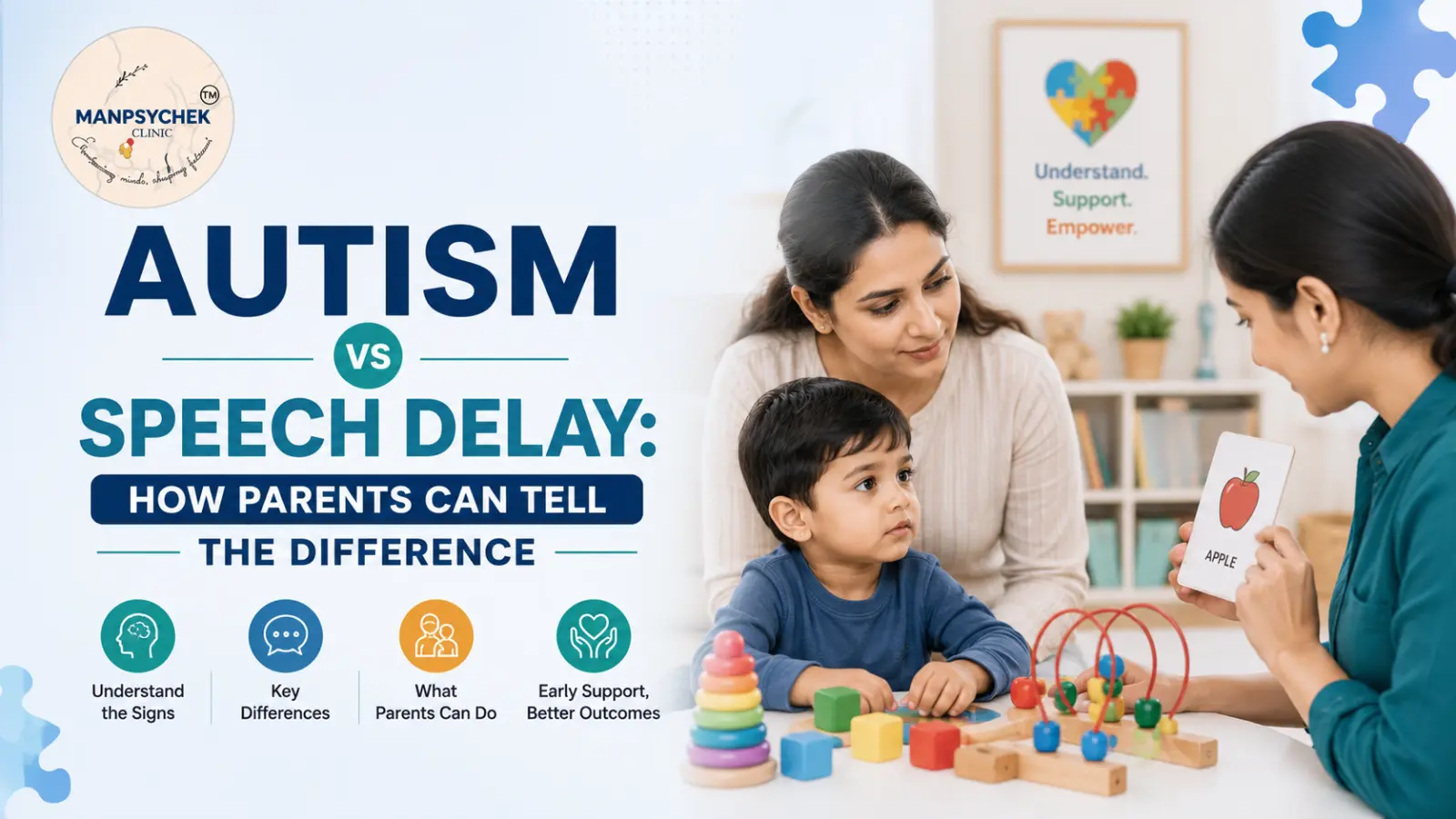
| Every child who has speech delay has autism. | Speech delay can occur for many reasons. Autism involves broader differences in social communication and behaviour. |
| Children with autism do not want friends. | Many autistic children and adults want meaningful relationships but may communicate or interact differently. |
| Autism is caused by screen time. | Current evidence does not support screen time as a direct cause of autism, although excessive screen exposure may affect language, sleep, and social experiences. |
| Autism always looks the same. | Autism is a spectrum, and each individual has a unique profile of strengths and support needs. |
Autism Across Different Ages
Infants (0–12 Months)
Some babies may:
- Smile less in social interactions.
- Show reduced eye contact.
- Respond inconsistently to voices.
- Show limited social engagement.
Many infants who later receive an autism diagnosis may still appear to develop typically during this stage.
Toddlers (12–24 Months)
This is often the period when concerns become more noticeable.
Possible signs include:
- Limited speech development.
- Reduced response to name.
- Repetitive behaviours.
- Limited pointing or gesturing.
- Difficulty sharing interests with others.
- Sensory sensitivities.
Preschool Children (2–5 Years)
Children may experience:
- Difficulty joining group play.
- Limited pretend play.
- Challenges understanding social rules.
- Emotional regulation difficulties.
- Repetitive routines.
- Strong reactions to changes in routine.
Some children begin to mask their difficulties in familiar environments but struggle in structured preschool settings.
School-Age Children
School demands often highlight differences.
Children may have:
- Difficulty making or maintaining friendships.
- Literal interpretation of language.
- Anxiety related to changes or uncertainty.
- Sensory challenges in noisy classrooms.
- Executive functioning difficulties (planning, organisation, flexibility).
- Uneven academic performance—strong in some subjects, struggling in others.
Without appropriate support, these challenges can affect self-esteem, participation, and learning.
Adolescents
Teenagers with autism may experience:
- Increased awareness of social differences.
- Anxiety or low mood.
- Challenges understanding complex friendships.
- Bullying or social exclusion.
- Difficulty managing independence.
- Executive functioning challenges in school or daily life.
Timely psychological support, social skills training, and educational accommodations can be particularly valuable during this stage.
Adults
Some individuals are not diagnosed until adulthood.
They may have experienced years of feeling "different" without understanding why.
Adults may seek assessment because of:
- Persistent social communication challenges.
- Sensory sensitivities.
- Workplace difficulties.
- Anxiety or depression.
- Relationship challenges.
- Burnout from masking autistic traits.
A formal assessment can provide clarity, appropriate support, and access to accommodations where applicable.
How Autism Can Affect Daily Life
Autism affects each person differently, but it may influence several areas of everyday functioning.
Communication
Some individuals may need support expressing needs, understanding conversations, or interpreting non-verbal cues.
Learning
Learning profiles are often uneven. A child may excel in visual memory or mathematics while needing support with language or social understanding.
Behaviour
Behaviour is often a form of communication. Meltdowns, repetitive behaviours, or resistance to change may reflect sensory overload, anxiety, communication difficulties, or unmet needs rather than intentional defiance.
Family Life
Parents may need to adapt routines, communication styles, and expectations. With appropriate guidance, families often develop effective strategies that support both the child and the wider household.
Education
Many autistic children benefit from:
- Individualised teaching approaches.
- Structured routines.
- Visual supports.
- Classroom accommodations.
- Collaboration between parents, teachers, and therapists.
When Should You Seek Professional Help?
If you notice persistent concerns in your child's communication, social interaction, play, or behaviour, it is advisable to seek a developmental assessment rather than adopting a "wait and see" approach.
Early evaluation does not necessarily result in an autism diagnosis. It helps identify the underlying reasons for developmental differences and guides families toward the most appropriate support.
Professionals who may be involved include:
- Developmental Paediatrician
- Clinical or Rehabilitation Psychologist
- Child Psychologist
- Speech-Language Pathologist
- Occupational Therapist
- Special Educator
- Behaviour Therapist (including ABA practitioners where appropriate)
A multidisciplinary assessment provides the most comprehensive understanding of a child's strengths, challenges, and intervention needs.
How Is Autism Assessed and Diagnosed?
There is no single blood test, brain scan, or laboratory test that can diagnose Autism Spectrum Disorder (ASD). Instead, diagnosis is based on a comprehensive evaluation of a child's developmental history, behaviour, communication, and social interaction.
According to the DSM-5-TR (Diagnostic and Statistical Manual of Mental Disorders), autism is identified by persistent differences in:
- Social communication and social interaction, and
- Restricted or repetitive behaviours, interests, or sensory experiences.
These characteristics must have been present from early childhood and significantly affect daily functioning.
Important: Autism should only be diagnosed by qualified professionals after a comprehensive assessment. Online quizzes or symptom checklists are not diagnostic tools.
What Happens During an Autism Assessment?
A thorough autism evaluation usually involves several steps.
1. Parent Interview
Parents are asked about:
- Pregnancy and birth history
- Developmental milestones
- Language development
- Medical history
- Family history
- Behavioural concerns
- School performance
- Daily living skills
This helps professionals understand the child's developmental journey.
2. Child Observation
The clinician observes how the child:
- Communicates
- Plays
- Responds to their name
- Uses gestures
- Makes eye contact
- Interacts with parents
- Responds to changes
- Uses toys
- Demonstrates repetitive behaviours
Observation across different settings may provide additional valuable information.
3. Standardized Assessments
Depending on the child's age and needs, professionals may use evidence-based assessment tools such as:
- Autism Diagnostic Observation Schedule (ADOS-2), where available
- Childhood Autism Rating Scale (CARS-2)
- Vineland Adaptive Behavior Scales (Vineland-3)
- Developmental Profile
- Cognitive or IQ assessments
- Speech and language assessments
- Occupational therapy and sensory evaluations
The choice of tools depends on the child's age, abilities, and clinical presentation.
4. Multidisciplinary Evaluation
Many children benefit from assessment by a team that may include:
- Developmental Paediatrician
- Clinical or Rehabilitation Psychologist
- Child Psychologist
- Speech-Language Pathologist
- Occupational Therapist
- Special Educator
This collaborative approach provides a comprehensive understanding of the child's strengths and support needs.
Why Early Diagnosis Matters
Early identification does not change who a child is, but it creates opportunities to provide support during a period of rapid brain development.
Research consistently shows that early intervention can improve:
- Communication
- Social interaction
- Play skills
- Adaptive behaviour
- Emotional regulation
- School readiness
- Independence in daily activities
The goal is not to make a child "less autistic." The goal is to help the child build meaningful skills, participate more fully in everyday life, and improve overall quality of life.
Evidence-Based Treatment for Autism
There is no cure for autism, but many interventions supported by scientific evidence can help children develop communication, learning, adaptive, and social skills.
Treatment plans should always be individualized.
1. Applied Behavior Analysis (ABA Therapy)
ABA Therapy is one of the most researched behavioural interventions for children with autism.
ABA focuses on:
- Increasing functional communication
- Developing social skills
- Teaching self-care skills
- Reducing behaviours that interfere with learning
- Improving independence
Modern ABA emphasizes individualized, ethical, and child-centered approaches that respect the child's needs and preferences.
2. Speech and Language Therapy
Speech Therapy supports children who experience difficulties with:
- Understanding language
- Expressing thoughts
- Conversation skills
- Non-verbal communication
- Social communication (pragmatics)
- Feeding or oral-motor concerns, where appropriate
For children who are minimally verbal, therapists may also introduce augmentative and alternative communication (AAC) methods when indicated.
3. Occupational Therapy
Occupational Therapy helps children participate more effectively in everyday activities.
Intervention may focus on:
- Fine motor skills
- Sensory processing
- Self-care (dressing, feeding, toileting)
- Handwriting
- Attention and regulation
- Daily routines
Sensory-based strategies should be individualized based on a comprehensive occupational therapy assessment.
4. Special Education
Special educators help children develop skills in:
- Academic learning
- Language concepts
- Functional communication
- Social participation
- Daily living skills
- Classroom readiness
Individualized Education Programs (IEPs) can help ensure educational goals match the child's abilities and needs.
5. Parent Training
Parents spend more time with their child than any therapist.
Evidence shows that coaching parents to use supportive communication and behavioural strategies at home can significantly enhance a child's progress.
Parent training may include:
- Positive behaviour support
- Communication strategies
- Play-based learning
- Managing challenging behaviour
- Building daily routines
6. Psychological Support
Many autistic children, adolescents, and adults may also experience:
- Anxiety
- Low mood
- Emotional regulation difficulties
- School stress
- Bullying
- Low self-esteem
Psychological interventions can help improve coping skills, emotional well-being, and resilience.
Are Medicines Used for Autism?
There is no medication that cures autism.
However, some individuals may benefit from medication prescribed by a qualified medical professional to manage associated conditions such as:
- Anxiety
- ADHD
- Severe irritability
- Sleep difficulties
- Epilepsy
- Depression
Medication should always be part of a broader, individualized treatment plan and monitored by an appropriate physician.
Home Strategies for Parents
Professional therapy is important, but everyday interactions at home also play a powerful role in a child's development.
Here are practical strategies that many families find helpful:
1. Build Predictable Routines
Children often feel more secure when daily activities follow a consistent pattern.
Use:
- Visual schedules
- Timers
- Simple transitions
- Advance warnings before changes
2. Encourage Communication
Talk with your child throughout the day using clear, simple language.
Narrate activities such as:
- Cooking
- Bath time
- Shopping
- Dressing
- Playing
Respond to all communication attempts, including gestures, sounds, or pointing.
3. Follow Your Child's Interests
Join your child's preferred activities rather than directing every interaction.
Shared attention creates opportunities to build communication naturally.
4. Celebrate Small Progress
Development is rarely linear.
Every new word, gesture, skill, or social interaction represents meaningful progress.
Avoid comparing your child with other children.
Compare today's achievements with yesterday's.
5. Limit Misinformation
Families are often exposed to claims about miracle cures, restrictive diets, supplements, or unproven treatments.
Before starting any intervention, discuss it with qualified healthcare professionals and ask about the evidence supporting its effectiveness and safety.
When Should You Book a Professional Assessment?
Do not wait if your child:
- Is not speaking as expected.
- Rarely responds to their name.
- Avoids social interaction.
- Has repetitive behaviours alongside communication differences.
- Loses previously acquired language or social skills.
- Struggles significantly in preschool or school.
Early assessment can identify whether autism, another developmental condition, hearing difficulties, language disorders, or other factors are contributing to your child's challenges.
How MannpsycheK Can Help
At MannpsycheK Child Development & Mental Health Centre, we believe every child deserves an individualized, evidence-based approach that respects their strengths, supports their challenges, and empowers their family.
Our multidisciplinary services include:
- Autism Screening and Developmental Assessment
- Child Psychology Services
- Behaviour Therapy
- Applied Behavior Analysis (ABA Therapy)
- Speech and Language Therapy
- Occupational Therapy (where indicated)
- Special Education
- Learning Disability Assessment
- ADHD Assessment
- Parent Counselling and Training
- School Readiness Programs
- Individualized Education Planning (IEP)
Located at K.S. MannpsycheK India Pvt. Ltd., Dwarka Mor, New Delhi, our team works collaboratively with parents to create practical intervention plans tailored to each child's needs.
Frequently Asked Questions
Q1. What is the main cause of autism?
A1. There is no single cause of autism. Current research shows that Autism Spectrum Disorder develops due to a combination of genetic factors and biological influences affecting early brain development. While certain prenatal and environmental factors may increase risk, no single event or exposure explains all cases.
Q2. Can autism be prevented?
A2. At present, there is no proven way to prevent autism. However, regular prenatal care, managing maternal health, avoiding harmful substances during pregnancy, and seeking early developmental assessments if concerns arise can support a child's overall health and development.
Q3. At what age can autism be diagnosed?
A3. Some developmental differences can be recognised before 18 months, and many children can receive a reliable diagnosis by around 2 years of age when evaluated by experienced professionals. Earlier identification allows families to begin appropriate intervention sooner.
Q4. Can children with autism live independent lives?
A4. Many autistic individuals develop high levels of independence, particularly when they receive timely support tailored to their strengths and needs. Outcomes vary because autism is a spectrum, but education, therapy, life-skills training, and family support can significantly improve participation in school, work, and community life.
Q5. Should I wait to see if my child "grows out of it"?
A5. If you have concerns about your child's communication, social interaction, behaviour, or development, it is better to seek a professional assessment than to wait. Some developmental delays resolve naturally, but others benefit from early identification and targeted support. An evaluation provides clarity and helps families make informed decisions.
Conclusion
Receiving or even considering an autism diagnosis can feel overwhelming for families. Questions about the future, education, communication, and independence are natural.
The most important thing to remember is this:
Autism is not caused by poor parenting, vaccines, or something you failed to do. It is a neurodevelopmental condition influenced by complex biological factors that researchers continue to study.
What makes the greatest difference is not finding someone to blame - it is recognising concerns early, obtaining an accurate assessment, and beginning evidence-based support when needed.
Every autistic child has unique strengths, challenges, and potential. With informed guidance, family involvement, and individualized intervention, many children make meaningful progress in communication, learning, adaptive skills, and participation in everyday life.
Book an Assessment at MannpsycheK
If you are concerned about your child's development or have questions about autism, speech delay, ADHD, learning difficulties, or behaviour, seeking professional guidance is an important first step.
At MannpsycheK Child Development & Mental Health Centre (K.S. MannpsycheK India Pvt. Ltd.), our multidisciplinary team provides evidence-based developmental assessments and individualized intervention plans for children, adolescents, and families.
Under the clinical leadership of Dr. Saurav D. S. Dogra, Rehabilitation Psychologist and Special Educator, we offer:
- Autism Assessment
- Child Psychology Services
- ABA Therapy
- Speech Therapy
- Behaviour Therapy
- ADHD Assessment
- Learning Disability Assessment
- Special Education
- Parent Guidance and Counselling
If you're looking for a Child Psychologist in Dwarka, Autism Therapy in Delhi, or a trusted Child Development Centre near Dwarka Mor, our team is here to help you understand your child's needs and support their developmental journey with compassion and evidence-based care.
Early support begins with the right assessment. Reach out to schedule a consultation and take the first step toward understanding your child's unique strengths and needs.
By MannpsycheK Child Development & Mental Health Centre
K.S. MannpsycheK India Pvt. Ltd., Dwarka Mor, New Delhi
Reviewed by: Dr. Saurav D. S. Dogra