Home › Occupational Therapy › Does My Child Need Occupational Therapy? Signs Parents Shouldn’t Ignore
Does My Child Need Occupational Therapy? Signs Parents Shouldn’t Ignore

Many parents notice that their child seems intelligent and active, yet struggles with simple everyday activities such as holding a pencil, concentrating in class, buttoning clothes, following routines, sitting calmly, or managing emotions.
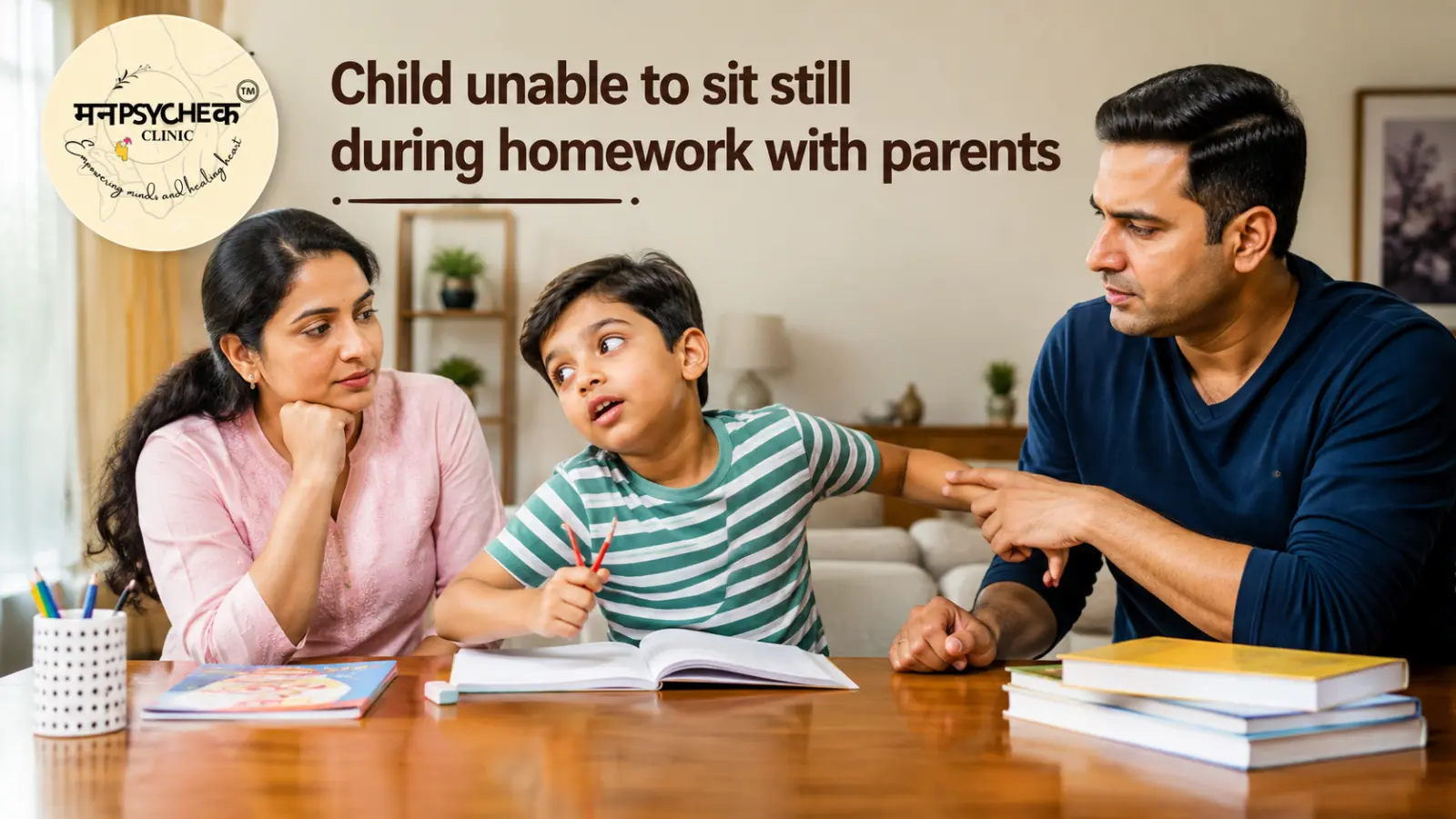
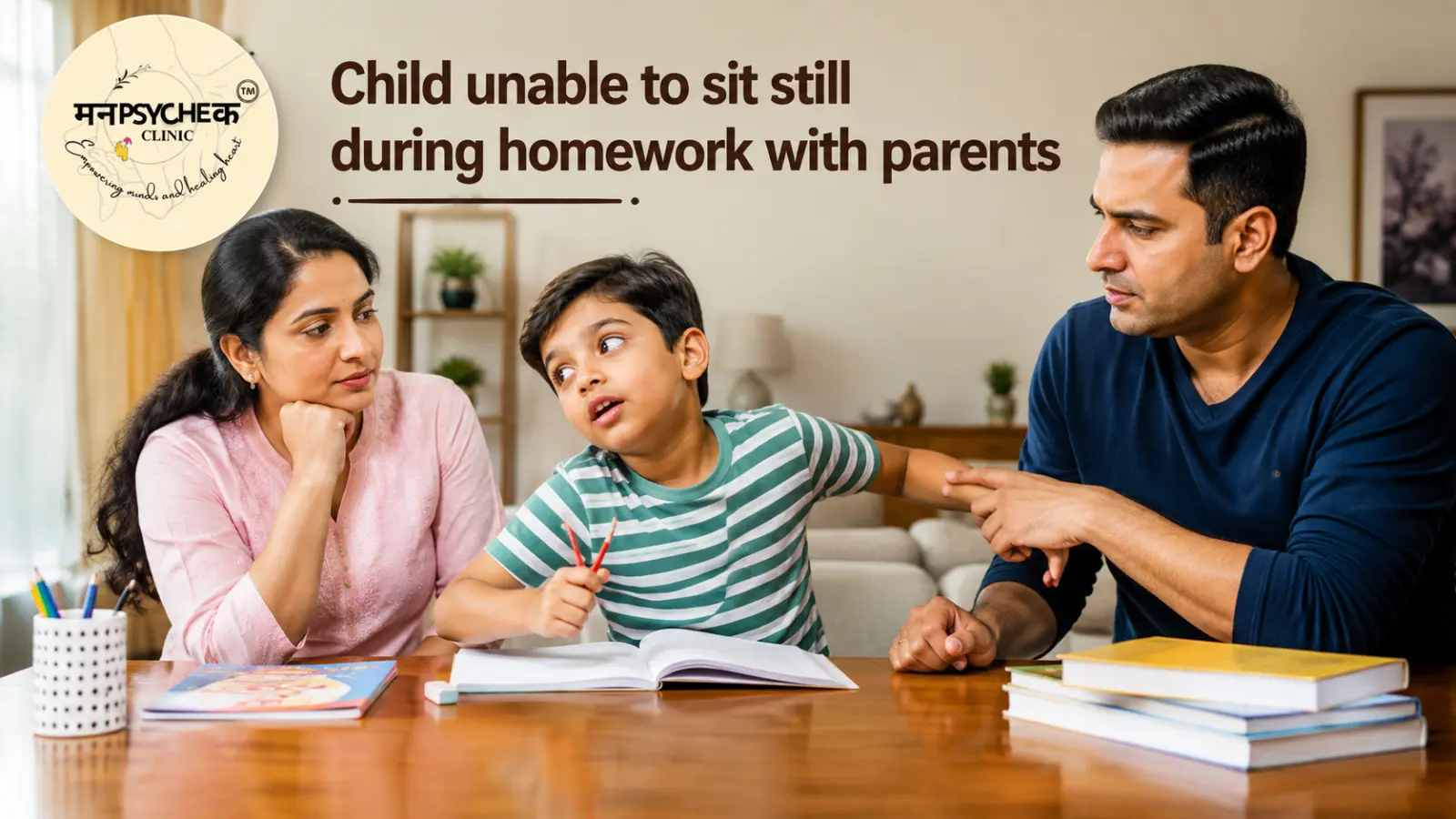
Recommended for youWhy Can't My Child Sit Still? Causes, ADHD Signs & What Parents Can Do
These difficulties are often misunderstood as “laziness,” “stubborn behaviour,” or “slow learning.” However, in many cases, the child may actually be facing developmental, sensory, motor, or attention-related challenges that require professional support.
This is where Occupational Therapy (OT) plays a very important role.
Occupational Therapy helps children improve practical life skills, sensory regulation, motor coordination, attention abilities, emotional control, and independence in daily activities. With early intervention and the right therapeutic support, many children can show significant improvement in school performance, behaviour, confidence, communication, and social functioning.
At MannpsycheK Clinic, individualized Occupational Therapy programs are designed to support children with developmental, behavioural, sensory, emotional, and learning-related difficulties.
What Is Occupational Therapy?
Occupational Therapy is a specialized therapeutic approach that helps children develop the physical, sensory, cognitive, emotional, and motor skills needed for daily life activities.
The primary goal of Occupational Therapy is to help children become more independent and confident in everyday functioning.
OT may help children improve:
- Fine motor skills
- Hand-eye coordination
- Attention and concentration
- Sensory processing
- Emotional regulation
- Self-care abilities
- Handwriting skills
- Social participation
- Daily routine management
Occupational Therapy is commonly recommended for children experiencing developmental delays, autism, ADHD, sensory difficulties, behavioural concerns, and learning-related challenges.
Signs Your Child May Benefit from Occupational Therapy
Parents should consider professional assessment if a child:
- Has difficulty holding pencils or crayons
- Struggles with handwriting
- Avoids certain textures, sounds, or clothing
- Has poor attention span
- Frequently becomes emotionally overwhelmed
- Faces difficulty with dressing, eating, or self-care tasks
- Appears clumsy or poorly coordinated
- Shows hyperactivity or restlessness
- Struggles with classroom participation
- Has difficulty following routines
- Faces social interaction challenges
- Experiences frequent sensory meltdowns
These challenges may affect academic performance, behaviour, emotional well-being, and confidence if left unaddressed.
Why Do Some Children Struggle with Daily Activities?
Many developmental and sensory difficulties are not immediately visible. A child may appear physically healthy but still struggle internally with:
- Sensory overload
- Attention regulation
- Motor planning difficulties
- Emotional regulation
- Poor body coordination
- Cognitive processing challenges
- Social communication difficulties
As a result, children may:
- Avoid tasks
- Become frustrated easily
- Show behavioural outbursts
- Lose confidence
- Fall behind academically
- Develop anxiety around learning or social situations
Understanding the root cause is extremely important before labelling a child’s behaviour negatively.
How Occupational Therapy Helps Children
1. Improves Fine Motor Skills
Fine motor difficulties can affect handwriting, colouring, cutting, buttoning clothes, and school participation.
OT helps strengthen:
- Finger control
- Grip strength
- Hand coordination
- Pencil skills
- Bilateral coordination
These improvements support better academic functioning and independence.
2. Helps with Sensory Processing Difficulties
Some children become overwhelmed by:
- Loud sounds
- Bright lights
- Clothing textures
- Physical touch
- Crowded environments
Others constantly seek movement, jumping, spinning, or sensory stimulation.
Occupational Therapy helps children regulate sensory responses more effectively and improve comfort in daily environments.
3. Improves Attention and Focus
Children struggling with attention difficulties often find it hard to:
- Sit for long periods
- Complete tasks
- Follow instructions
- Stay organized
- Participate in classroom learning
OT activities help improve:
- Attention span
- Task completion
- Impulse control
- Body awareness
- Learning readiness
4. Supports Emotional Regulation
Some children experience frequent emotional outbursts, frustration, irritability, or difficulty calming themselves.
Therapy helps children develop:
- Self-regulation skills
- Coping strategies
- Emotional awareness
- Relaxation abilities
- Better behavioural control
This often improves family interaction and classroom behaviour.
5. Builds Independence in Daily Life
Occupational Therapy supports practical everyday skills such as:
- Dressing
- Eating independently
- Grooming
- Organizing belongings
- Following routines
- Managing school activities
These life skills are important for confidence and long-term independence.
Conditions Commonly Supported Through Occupational Therapy
Children with the following conditions may benefit from OT support:
- Autism Spectrum Disorder (ASD)
- ADHD
- Sensory Processing Difficulties
- Developmental Delays
- Learning Difficulties
- Down Syndrome
- Cerebral Palsy
- Behavioural Challenges
- Emotional Regulation Difficulties
- Coordination Problems
- Academic Skill Difficulties
At MannpsycheK Clinic, therapy plans are customized according to the child’s developmental profile and functional needs.
Why Early Intervention Matters
Early intervention is one of the most important factors in developmental progress.
The earlier therapy begins, the better the opportunity to improve:
- Brain development
- Behaviour regulation
- Learning skills
- Social interaction
- Emotional control
- Independence
- School readiness
Delaying intervention may increase frustration and developmental difficulties over time.
Role of Parents in Occupational Therapy Progress
Parental involvement plays a major role in therapy outcomes.
Parents are guided on:
- Home-based activities
- Behaviour management strategies
- Sensory regulation support
- Routine-building methods
- Communication approaches
- Reinforcement techniques
Consistency between therapy sessions and home environments significantly improves progress.
Frequently Asked Questions
Q1. What does an Occupational Therapist do for children?
A1. An Occupational Therapist helps children improve daily functioning skills such as handwriting, sensory regulation, attention, motor coordination, self-care activities, emotional regulation, and independence.
Q2. Is Occupational Therapy only for children with autism?
A2. No. Occupational Therapy can help children with ADHD, sensory issues, developmental delays, behavioural challenges, learning difficulties, coordination problems, and emotional regulation concerns.
Q3. At what age should Occupational Therapy begin?
A3. Therapy can begin as soon as developmental, behavioural, sensory, or motor difficulties are noticed. Early intervention generally improves outcomes significantly.
Q4. Can Occupational Therapy improve handwriting skills?
A4. Yes. OT commonly helps children improve pencil grip, finger strength, hand coordination, posture, and fine motor control needed for handwriting.
Q5. How long does Occupational Therapy take?
A5. The duration depends on the child’s developmental needs, consistency of therapy, family involvement, and individual progress over time.
Q6. Can Occupational Therapy help with hyperactivity and attention problems?
A6. Yes. OT activities may help improve attention span, sensory regulation, body awareness, impulse control, and task participation.
Q7. Does Occupational Therapy involve play activities?
A7. Yes. Many therapy activities are play-based because children learn more effectively through engaging and structured play experiences.
Q8. Can parents continue therapy activities at home?
A8. Absolutely. Home practice and parental consistency are extremely important for long-term progress and skill development.
Why Families Choose MannpsycheK Clinic
At MannpsycheK Clinic, child development programs focus on improving emotional well-being, sensory regulation, behaviour, learning abilities, social participation, and independence.
Services include:
- Occupational Therapy
- Sensory Integration Therapy
- Behaviour Therapy
- ABA-based Intervention
- Speech Therapy
- Child Counselling
- Parent Guidance Sessions
- Emotional Regulation Support
Therapy programs are individualized according to each child’s emotional, behavioural, and developmental needs.
Conclusion
Children who struggle with daily activities are not “difficult” or “lazy.” In many cases, they may be facing developmental, sensory, motor, or emotional challenges that affect their ability to function comfortably in everyday life.
Occupational Therapy helps children build practical skills, emotional confidence, independence, and better participation in home, school, and social environments.
With early intervention, structured support, and family involvement, children can make meaningful developmental progress and improve overall quality of life.
If your child is struggling with attention, handwriting, sensory issues, behaviour, coordination, or daily functioning, professional support can make a significant difference.
For professional child development support and therapy consultation, families may connect with:
MANNPSYCHEK CLINIC
📍 Dwarka Mor, Palam & Karol Bagh, Delhi NCR
📞 +91 9289102955
🌐 Official Website
Author
Saurav Deep
RCI Certified Psychologist
Consultant Clinical Psychologist
CBT Practitioner | ABA Therapist | Child Development Professional