Home › CBT › How Cognitive Therapy Helps Manage Anxiety, Stress, and Negative Thinking
How Cognitive Therapy Helps Manage Anxiety, Stress, and Negative Thinking

Mental health concerns such as anxiety, chronic stress, overthinking, emotional burnout, and low self-confidence have become increasingly common in recent years. As awareness around psychological well-being continues to grow, more individuals are seeking professional support to better understand their thoughts, emotions, and behavioral patterns.
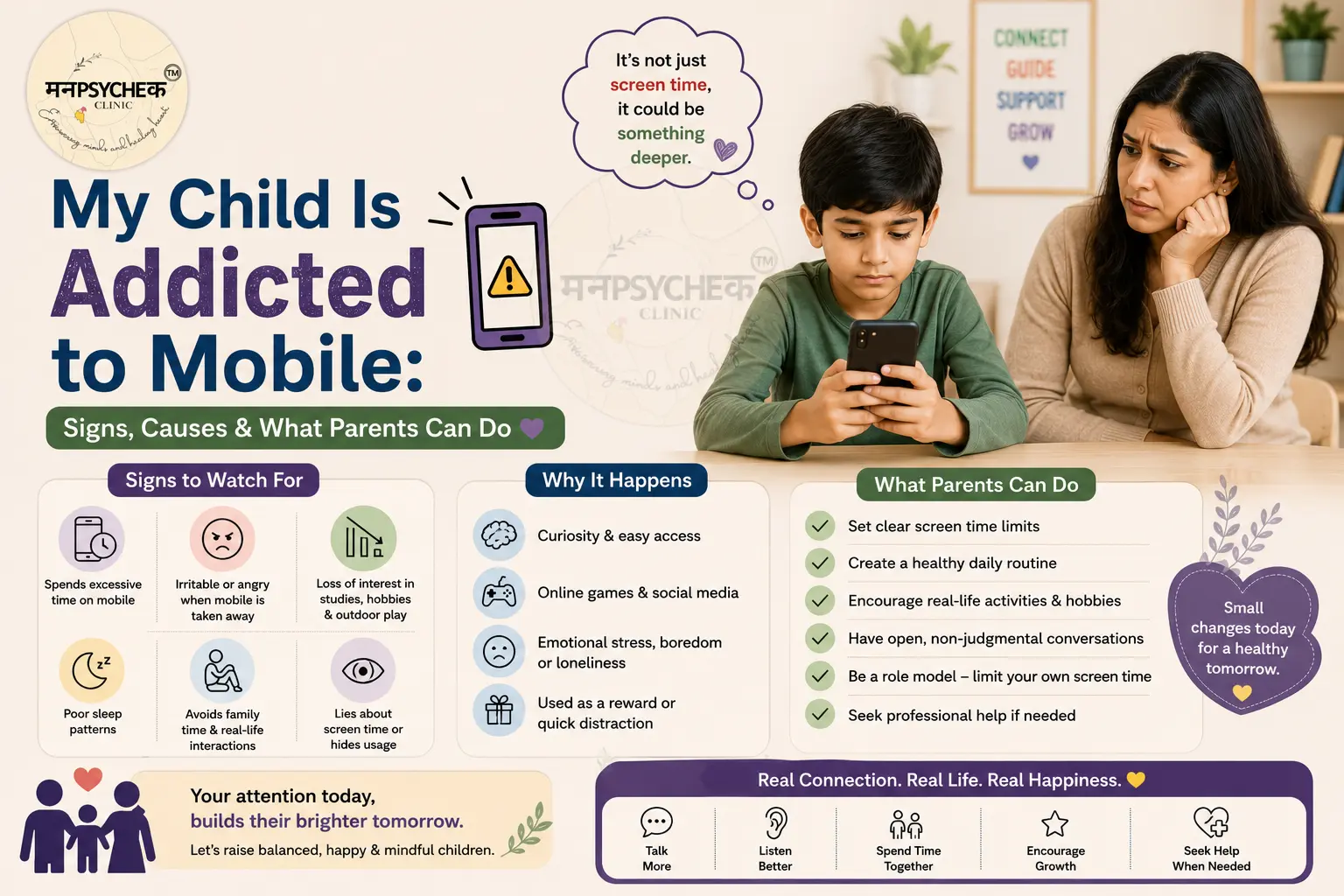
Recommended for youMy Child Is Addicted to Mobile: Signs, Causes & What Parents Can Do
Why Is My Child Not Listening? Common Causes and Solutions for Parents
One of the most evidence-based and widely recommended approaches used by mental health professionals today is Cognitive Therapy, commonly associated with Cognitive Behavioral Therapy (CBT). This therapeutic approach helps individuals recognize unhelpful thinking patterns, improve emotional regulation, and develop healthier coping strategies for everyday life challenges.
At Mannpsyche Clinic, therapy services are provided for children, adolescents, and adults experiencing emotional, behavioral, and psychological difficulties.
What Is Cognitive Therapy?
Cognitive Therapy is a structured form of psychological treatment that focuses on the connection between thoughts, emotions, and behaviors. Many individuals unknowingly develop unhealthy thinking patterns over time, which can negatively affect emotional well-being, relationships, confidence, decision-making, and daily functioning. The primary goal of cognitive therapy is to help individuals identify these unhelpful patterns and replace them with healthier and more balanced ways of thinking.
Cognitive Therapy can help individuals:
- Recognize unhealthy thought patterns
- Challenge negative beliefs and assumptions
- Improve emotional regulation
- Develop healthier coping mechanisms
- Build confidence and self-awareness
- Improve communication and problem-solving skills
- Reduce stress, anxiety, and emotional distress
This approach is practical, goal-oriented, and supported by extensive psychological research for a wide range of emotional and behavioral concerns.
Why Do People Seek Cognitive Therapy?
Therapy is not only for severe psychological conditions or crises. Many individuals seek professional support to better manage stress, improve emotional resilience, strengthen relationships, and develop healthier coping patterns.
Some common reasons people seek cognitive therapy include:
1. Anxiety and Excessive Overthinking
Constant worrying, fear of uncertainty, and repetitive negative thoughts can become mentally exhausting. Cognitive therapy helps individuals identify irrational fears, challenge anxious thinking patterns, and develop practical coping strategies.
Common signs may include:
- Racing thoughts
- Difficulty relaxing
- Sleep disturbances
- Fear of failure or judgment
- Social anxiety
- Panic attacks
- Constant overanalysis of situations
2. Depression and Persistent Negative Thinking
Depression often affects how individuals think about themselves, their future, and the world around them. Negative self-talk and hopelessness can gradually impact motivation, relationships, and daily functioning.
Cognitive therapy helps individuals develop healthier perspectives and reduce self-critical thinking patterns.
Individuals experiencing depression may struggle with:
- Persistent sadness
- Emotional numbness
- Low self-esteem
- Loss of motivation
- Fatigue and hopelessness
- Reduced interest in activities
3. Stress and Emotional Burnout
Academic pressure, workplace stress, financial concerns, family responsibilities, and personal challenges can overwhelm emotional well-being over time.
Cognitive therapy helps individuals build emotional resilience, manage stress effectively, and improve coping abilities in demanding situations.
4. Low Self-Confidence and Self-Doubt
Many individuals struggle with fear of judgment, self-criticism, and difficulty trusting their abilities. Over time, these patterns can affect relationships, career growth, communication, and overall confidence.
Therapy helps individuals identify limiting beliefs and develop a healthier sense of self-worth.
5. Relationship and Family Difficulties
Emotional misunderstandings, communication issues, trust concerns, and unresolved conflicts can significantly impact relationships and family dynamics.
Cognitive therapy can help individuals improve emotional awareness, communication skills, and conflict management strategies.
6. Trauma and Emotional Pain
Unresolved emotional experiences such as bullying, rejection, loss, emotional neglect, or traumatic life events may continue affecting self-esteem, emotional stability, and interpersonal relationships over time.
Therapy provides a safe and structured environment for individuals to process emotional pain and work toward psychological healing.
7. Anger Management Difficulties
Difficulty controlling anger can affect personal relationships, workplace functioning, and overall emotional stability.
Cognitive therapy helps individuals identify emotional triggers, understand behavioral responses, and develop healthier ways of expressing emotions.
8. Emotional and Behavioral Difficulties in Children
Children may also benefit from therapy when they experience emotional, behavioral, academic, or social difficulties.
Some common concerns include:
- Anxiety and fearfulness
- Emotional outbursts
- School-related stress
- Attention and concentration difficulties
- Social challenges
- Low confidence
- Behavioral concerns
At Mannpsyche Clinic, therapy plans are designed according to the emotional, behavioral, and developmental needs of each child.
Signs Emotional Stress May Be Affecting Your Mental Health
Many individuals silently struggle with emotional exhaustion for months or even years before seeking help. Some normalize constant stress, overthinking, irritability, or sadness until these patterns begin affecting daily functioning.
You may benefit from professional psychological support if:
- Stress feels difficult to manage
- Thoughts feel overwhelming or repetitive
- Anxiety affects sleep or concentration
- Emotional exhaustion impacts daily functioning
- Relationships are becoming strained
- Negative thinking affects confidence and productivity
- You find it difficult to regulate emotions
- You feel emotionally disconnected or persistently low
Professional support can help individuals better understand these experiences and learn practical ways to manage them effectively.
What Happens During Cognitive Therapy Sessions?
Therapy sessions typically begin with understanding the individual’s emotional concerns, personal experiences, behavioral patterns, and current stressors. The psychologist works collaboratively with the client to identify unhelpful thinking styles, emotional triggers, and coping difficulties.
Depending on the individual’s needs, sessions may include:
- Cognitive restructuring techniques
- Emotional regulation strategies
- Behavioral interventions
- Relaxation and grounding exercises
- Communication skill development
- Goal-setting and self-monitoring practices
- Stress management techniques
The overall aim is to help individuals respond to situations in healthier, more balanced, and psychologically adaptive ways.
Benefits of Cognitive Therapy
Individuals who participate in cognitive therapy often experience:
- Improved emotional regulation
- Reduced anxiety and stress
- Better self-confidence
- Healthier coping mechanisms
- Improved communication skills
- Better focus and productivity
- Stronger interpersonal relationships
- Healthier thought patterns and emotional responses
Research consistently supports Cognitive Behavioral Therapy (CBT) as one of the most effective psychological approaches for anxiety, stress-related concerns, depression, and emotional difficulties.
Common Myths About Therapy
“Therapy is only for severe mental illness.”
Therapy can benefit anyone experiencing emotional distress, stress, relationship difficulties, low confidence, or unhealthy coping patterns.
“Talking to friends is the same as therapy.”
Emotional support from friends is valuable, but therapy involves evidence-based psychological techniques provided by trained professionals.
“Seeking help means weakness.”
Seeking professional support reflects self-awareness, responsibility, and willingness to improve mental well-being.
Cognitive Therapy Services at Mannpsyche Clinic
Mannpsyche Clinic provides professional psychological services for children, adolescents, and adults experiencing emotional, behavioral, and psychological difficulties.
Services include:
- Cognitive Behavioral Therapy (CBT)
- Child Counseling
- Anxiety and Stress Management Therapy
- Depression Counseling
- Behavioral Therapy
- Emotional Regulation Therapy
- Parent Guidance Sessions
- Psychological Counseling Services
Clinic Information
MANNPSYCHE CLINIC
📍 Dwarka Mor, Palam & Karol Bagh, Delhi NCR
📞 +91 9289102955
🌐 Official Website
Frequently Asked Questions
Q1. Is Cognitive Therapy the same as CBT?
A1. Cognitive Therapy forms an important part of Cognitive Behavioral Therapy (CBT). CBT combines cognitive and behavioral techniques to improve emotional well-being and behavioral responses.
Q2. How long does Cognitive Therapy take?
A2. The duration varies depending on the individual’s concerns, therapy goals, and progress. Some individuals notice improvement within a few sessions, while others may benefit from longer-term support.
Q3. Can children benefit from Cognitive Therapy?
A3. Yes. Cognitive therapy can help children improve emotional regulation, social skills, confidence, coping abilities, and behavioral responses.
Q4. Is Cognitive Therapy effective for anxiety?
A4. Yes. Cognitive therapy is widely recognized as one of the most effective psychological treatments for anxiety, panic attacks, excessive worry, and overthinking.
Q5Does Cognitive Therapy involve medication?
A5. No. Cognitive therapy itself does not involve medication. However, psychologists may collaborate with psychiatrists when medication support is clinically necessary.
Q6. Are online therapy sessions effective?
A6. Yes. Online therapy sessions can be effective and convenient for individuals seeking professional mental health support remotely.
Conclusion
Mental health difficulties do not always appear dramatically. Sometimes they develop gradually through persistent stress, emotional exhaustion, self-doubt, overthinking, or difficulty coping with everyday responsibilities.
Cognitive Therapy offers a structured and evidence-based approach to understanding these challenges and developing healthier emotional and behavioral responses. Whether an individual is experiencing anxiety, stress-related difficulties, low mood, confidence issues, or emotional dysregulation, early psychological support can significantly improve overall well-being and daily functioning.
Seeking professional help is not a sign of weakness — it reflects awareness, responsibility, and a willingness to improve one’s mental health and quality of life.
For professional psychological support, therapy services, and mental health consultations, individuals may connect with experienced mental health professionals at Mannpsyche Clinic.
Author
Saurav Deep
Psychologist RCI CERTIFIED