Home › Child Development & Therapy › My Child Is Hyperactive at Home but Calm at School – Should I Be Worried?
My Child Is Hyperactive at Home but Calm at School – Should I Be Worried?

One of the most confusing situations for parents is hearing completely different reports about their child.
Recommended for youADHD Symptoms in 3-Year-Olds: Signs, What’s Normal & When to Seek Help
At home, your child may:
- Run constantly
- Climb furniture
- Talk nonstop
- Ignore instructions
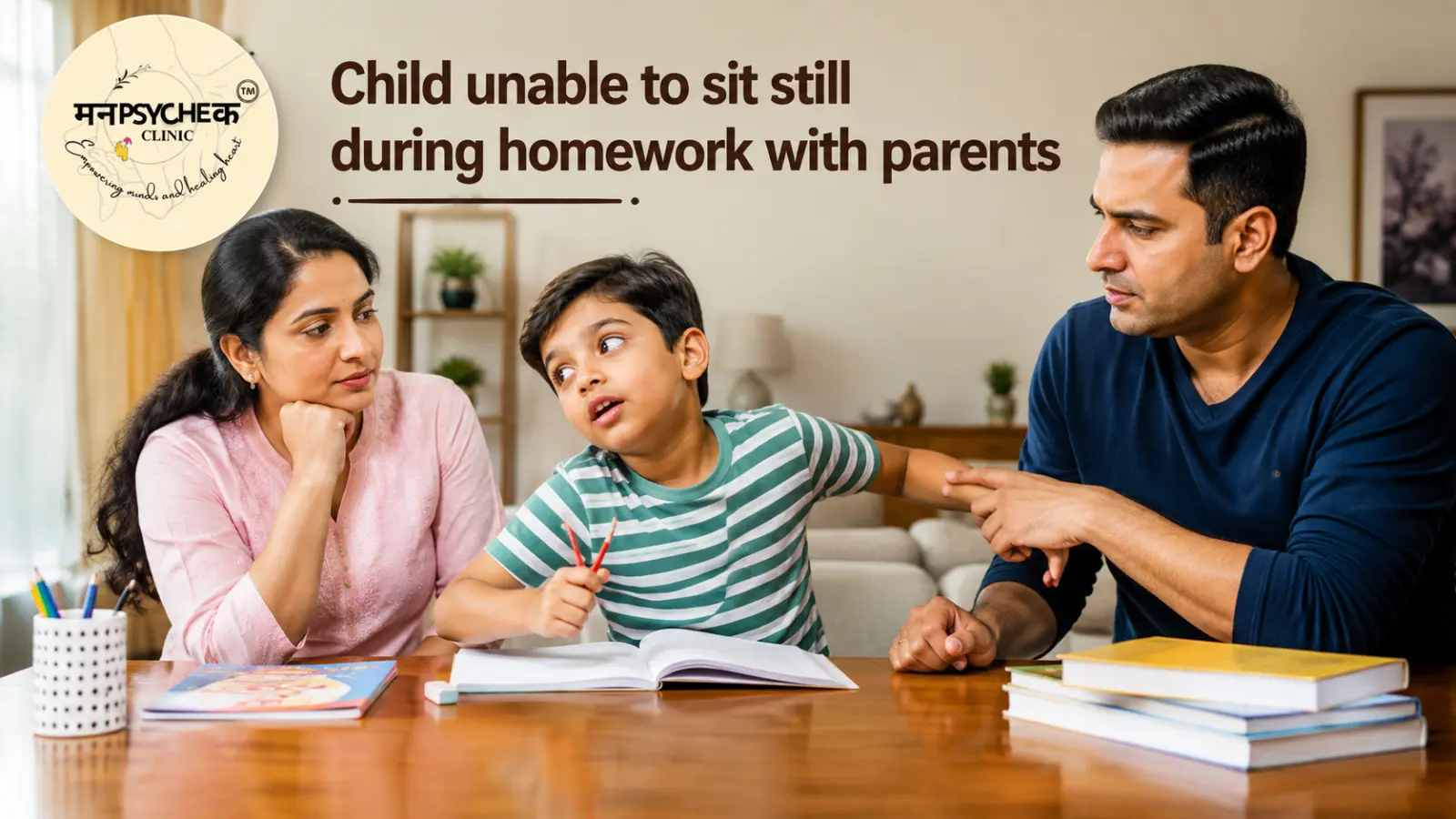
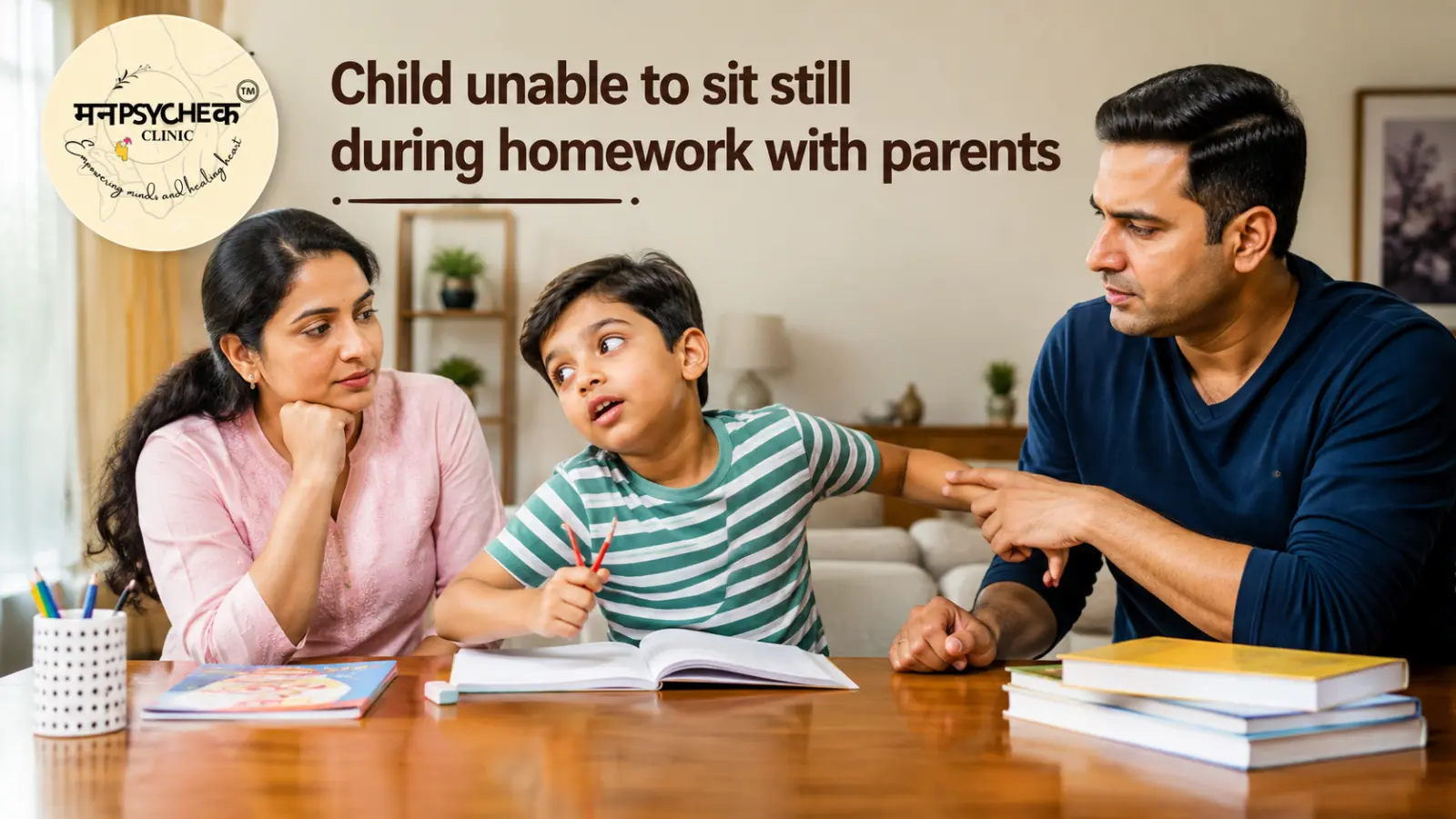
- Struggle to sit still
- Act impulsively
But then the teacher says:
"Your child is calm and well-behaved in school."
This often leaves parents wondering:
- Does my child really have ADHD?
- Why is my child hyperactive only at home?
- Are teachers missing something?
- Is my child choosing to behave differently?
- Should I seek an ADHD assessment?
If these questions sound familiar, you are not alone.
Many parents searching for answers about hyperactivity and ADHD in children face this exact situation.
The important thing to understand is that behaviour can look very different across environments.
Being calm at school does not automatically rule out ADHD, and being hyperactive at home does not automatically mean ADHD is present.
Let's explore why this happens.
Is It Normal for Children to Behave Differently at Home and School?
Absolutely.
Children behave differently depending on:
- Expectations
- Structure
- Environment
- Relationships
- Emotional comfort
Adults do this too.
Most people behave differently at work than they do at home.
Children are no different.
The key question is:
How big is the difference?
And what explains it?
Common Reasons Children Are More Hyperactive at Home
1. Home Is Their Safe Space
Many children work hard all day to meet school expectations.
They may:
- Follow rules
- Stay seated
- Control impulses
- Suppress emotions
When they return home, they finally relax.
Parents often see:
- More energy
- More emotions
- Less self-control
This does not necessarily indicate a disorder.
Sometimes it reflects emotional fatigue from maintaining self-control throughout the day.
2. School Provides More Structure
Schools typically have:
- Clear routines
- Predictable schedules
- Consistent expectations
- Organized activities
Many children function better in highly structured environments.
At home, routines may be:
- Less predictable
- More flexible
- Less supervised
Some children struggle more when structure decreases.
3. Attention-Seeking Behaviour
Children often seek attention from parents after spending hours away.
Hyperactive behaviour can sometimes be a way of:
- Seeking interaction
- Releasing energy
- Gaining attention
This does not mean the behaviour is intentional or manipulative.
It often reflects unmet emotional needs.
4. Mental Exhaustion After School
Many children experience what psychologists sometimes call:
"After-School Restraint Collapse"
The child works hard to regulate behaviour all day and then becomes emotionally overwhelmed at home.
Parents may see:
- Hyperactivity
- Tantrums
- Defiance
- Emotional outbursts
This is particularly common in children who are sensitive, anxious, or have attention difficulties.
Could It Still Be ADHD?
Yes.
One of the biggest ADHD myths is:
"If my child behaves well in school, they cannot have ADHD."
This is not always true.
Some children with ADHD:
- Mask symptoms in structured environments
- Use enormous effort to stay regulated
- Experience internal attention difficulties that teachers may not immediately notice
However, true ADHD symptoms typically affect more than one setting.
This is why professional assessment is important.
Understanding ADHD Symptoms
ADHD involves persistent difficulties with:
Inattention
- Easily distracted
- Forgetful
- Losing belongings
- Difficulty completing tasks
Hyperactivity
- Excessive movement
- Constant fidgeting
- Difficulty staying seated
Impulsivity
- Interrupting others
- Acting without thinking
- Difficulty waiting
A diagnosis is never based on a single behaviour alone.
ADHD Myth #1:
Hyperactive Children Always Cause Trouble at School
False.
Many children with ADHD:
- Perform adequately academically
- Behave relatively well in class
- Hide symptoms successfully
Some children struggle more internally than externally.
ADHD Myth #2:
Hyperactivity Means ADHD
False.
Hyperactivity can occur for many reasons including:
- Anxiety
- Stress
- Sleep deprivation
- Excessive screen time
- Sensory needs
- Developmental differences
Assessment is necessary before drawing conclusions.
ADHD Myth #3:
Good Grades Rule Out ADHD
False.
Many intelligent children with ADHD achieve good grades, especially in earlier years.
Academic performance alone cannot confirm or rule out ADHD.
Environmental Factors That Influence Hyperactivity
Parents often overlook environmental influences.
Sleep Problems
Children who do not sleep well may appear:
- Hyperactive
- Irritable
- Distracted
Interestingly, sleep deprivation often causes increased activity rather than tiredness.
Screen Time
Excessive screen exposure may contribute to:
- Poor attention
- Emotional dysregulation
- Reduced frustration tolerance
Parents frequently notice worsening behaviour after long periods of screen use.
Lack of Physical Activity
Children need opportunities to:
- Move
- Play
- Explore
Insufficient physical activity can contribute to restlessness.
Stress and Anxiety
Anxiety sometimes appears as:
- Restlessness
- Fidgeting
- Difficulty concentrating
Parents may mistake anxiety for ADHD.
When Should Parents Consider an ADHD Assessment?
Consider professional evaluation if:
- Hyperactivity is persistent
- Attention difficulties affect learning
- Behaviour causes family stress
- Teachers report concerns
- Homework becomes a daily struggle
- Emotional regulation difficulties are present
- Social relationships are affected
Assessment provides clarity rather than assumptions.
How ADHD Is Properly Assessed
A professional ADHD assessment typically includes:
Parent Interviews
Understanding behaviour at home.
Teacher Feedback
Understanding behaviour at school.
Developmental History
Reviewing milestones and childhood development.
Behavioural Observations
Examining attention, impulse control, and activity levels.
Standardized Assessment Tools
Evidence-based rating scales and clinical evaluation.
No single test alone can diagnose ADHD.
How a Child Psychologist in Dwarka Can Help
A child psychologist in Dwarka can assess:
- ADHD symptoms
- Hyperactivity
- Attention difficulties
- Emotional regulation
- Anxiety
- Behavioural concerns
The goal is to understand why the behaviour is happening rather than simply labeling the child.
ADHD Assessment and Behaviour Therapy in Dwarka
Parents searching for:
- ADHD child assessment
- ADHD assessment Dwarka
- Child psychologist Dwarka
- Behaviour therapy Dwarka
- Child development centre Dwarka
often benefit from evidence-based support services including:
- ADHD Assessment
- Behaviour Therapy
- Parent Training Programs
- Emotional Regulation Support
- Attention and Executive Function Coaching
Why Families Choose KS Mannpsyche India Private Limited
Many families seek support when children experience:
- Hyperactivity
- Attention difficulties
- ADHD symptoms
- Emotional outbursts
- Behavioural concerns
- Academic challenges
At KS Mannpsyche India Private Limited, children receive individualized assessments and intervention plans tailored to their unique strengths and challenges.
Services include:
- Child Psychology Consultation
- ADHD Assessment
- Behaviour Therapy
- Parent Counseling
- Emotional Regulation Programs
- Developmental Assessment
Under the guidance of Saurav Deep, RCI Certified Psychologist and Behaviour Therapist, families receive evidence-based support focused on improving attention, behaviour, confidence, and overall child development.
Final Thoughts
A child who is hyperactive at home but calm at school is not necessarily "pretending" or "choosing" their behaviour.
Different environments place different demands on children.
Some children release stress at home.
Some thrive with school structure.
Some may have ADHD, anxiety, sleep difficulties, or emotional regulation challenges.
Instead of asking:
"Why is my child behaving like this?"
Ask:
"What is this behaviour trying to tell me?"
That question often leads to the most helpful answers.
Frequently Asked Questions
Q1. Can a child have ADHD if they behave well at school?
A1. Yes. Some children with ADHD work extremely hard to manage symptoms in structured environments and may show more difficulties at home.
Q2. Why is my child only hyperactive at home?
A2. Possible reasons include emotional fatigue, reduced structure, attention-seeking, anxiety, sleep problems, or ADHD-related challenges.
Q3. Does hyperactivity always mean ADHD?
A3. No. Hyperactivity can occur due to anxiety, stress, sleep difficulties, sensory needs, or developmental factors.
Q4. How is ADHD diagnosed?
A4. ADHD assessment includes parent interviews, teacher feedback, developmental history, behavioural observations, and standardized evaluation tools.
Q5. When should I seek professional help?
A5. Consider assessment if hyperactivity, attention difficulties, or emotional regulation problems significantly affect home, school, or social functioning.