Home › Guidance For Parents › Why Is My Child Not Sleeping Properly? Signs Parents Should Not Ignore
Why Is My Child Not Sleeping Properly? Signs Parents Should Not Ignore

Why Is My Child Not Sleeping Properly? Causes Parents Often Miss
Many parents feel exhausted by bedtime struggles.
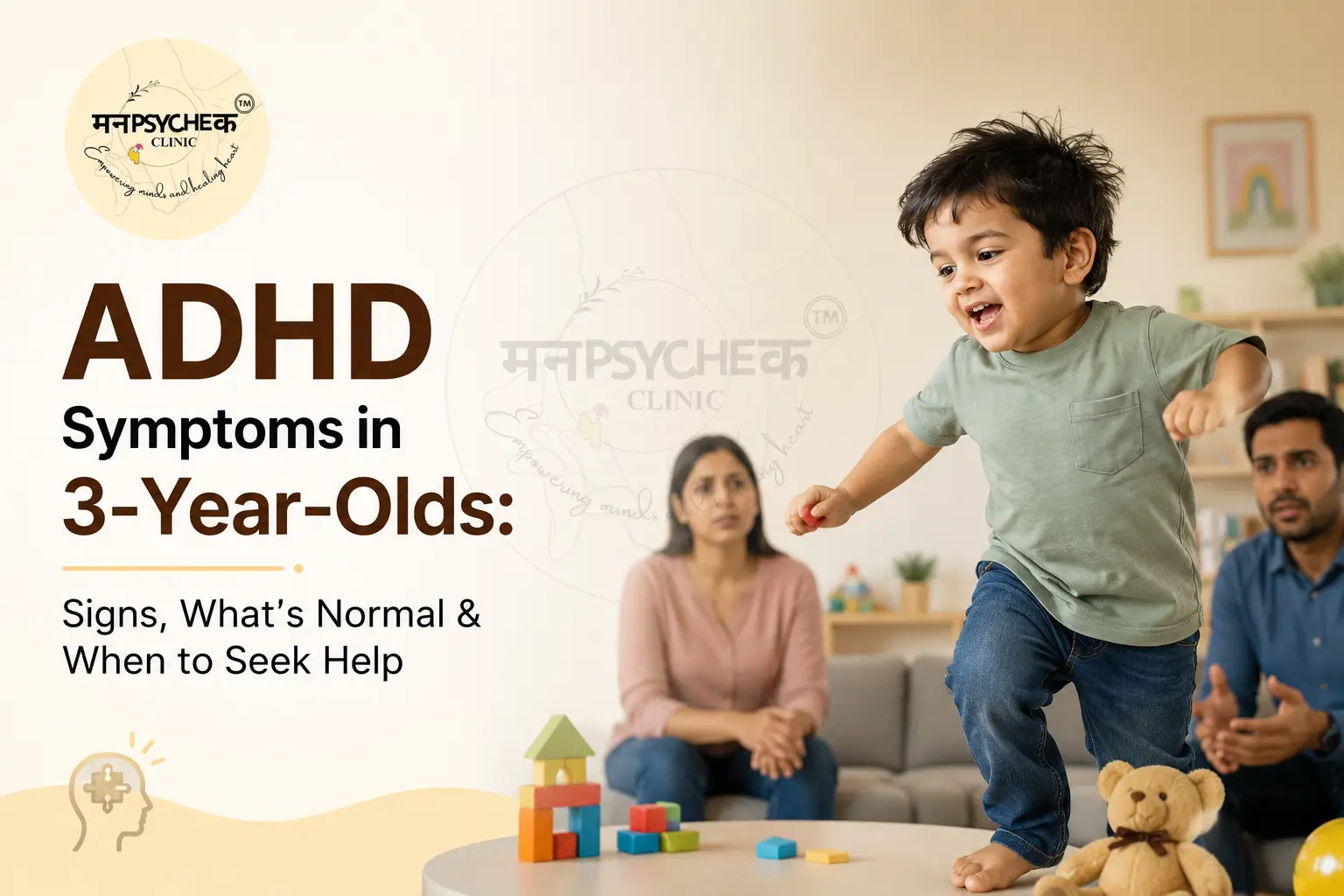
ADHD Symptoms in 3-Year-Olds: Signs, What’s Normal & When to Seek Help
You may find yourself asking:
- "Why won't my child sleep?"
- "Why does my child wake up multiple times at night?"
- "Why is my child afraid to sleep alone?"
- "Why does bedtime turn into a battle every day?"
- "Could anxiety or ADHD be affecting my child's sleep?"
If these concerns sound familiar, you are not alone.
Sleep problems in children are one of the most common concerns reported by parents. Poor sleep affects much more than nighttime.
A child who does not sleep well may also experience:
- Irritability
- Tantrums
- Poor concentration
- Hyperactivity
- Learning difficulties
- Emotional outbursts
- Reduced academic performance
The good news is that many childhood sleep problems can be improved once the underlying cause is identified.
How Much Sleep Does a Child Need?
Sleep requirements vary by age.
Preschool Children (3–5 Years)
Typically need:
- 10–13 hours per day
School-Age Children (6–12 Years)
Typically need:
- 9–12 hours per night
Teenagers (13–18 Years)
Typically need:
- 8–10 hours per night
- Children who consistently get less sleep than recommended may begin showing behavioural and emotional difficulties.
Signs Your Child May Not Be Getting Enough Sleep
Parents often focus only on bedtime.
However, poor sleep frequently appears during the day.
Watch for:
- Frequent irritability
- Mood swings
- Hyperactivity
- Difficulty concentrating
- Forgetfulness
- Emotional outbursts
- Excessive daytime sleepiness
- School performance problems
Many children who appear "hyperactive" are actually overtired.
Common Causes of Sleep Problems in Children
1. Excessive Screen Time
One of the most common modern causes of sleep difficulties is screen exposure.
Many children spend hours using:
- Mobile phones
- Tablets
- Television
- Video games
- YouTube
Screens affect sleep in several ways.
Blue Light Exposure
Blue light can suppress melatonin, the hormone that helps regulate sleep.
Mental Stimulation
Fast-paced content keeps the brain alert when it should be winding down.
Delayed Bedtime
Children often stay awake longer when using screens.
Parents searching for:
- screen time effects on child development
- mobile addiction in children
often discover that sleep is one of the first areas affected.
2. Child Anxiety
One of the most overlooked causes of sleep problems is child anxiety.
An anxious child may struggle to sleep because their mind remains active.
Common worries include:
- School concerns
- Fear of failure
- Separation from parents
- Fear of the dark
- Social worries
- Safety concerns
Parents may hear:
- "What if something bad happens?"
- "Can you stay with me?"
- "I can't stop thinking."
These worries can significantly delay sleep onset.
Signs Anxiety May Be Affecting Sleep
Watch for:
- Difficulty falling asleep
- Frequent night waking
- Nightmares
- Fear of sleeping alone
- Excessive reassurance-seeking
Children may not always recognize or verbalize anxiety directly.
3. ADHD and Sleep Difficulties
Many children with ADHD experience sleep challenges.
Research consistently shows higher rates of sleep problems among children with ADHD.
Common difficulties include:
- Trouble falling asleep
- Restlessness at bedtime
- Frequent waking
- Irregular sleep schedules
Children with ADHD often describe their minds as:
"Always thinking."
Poor sleep can also worsen ADHD symptoms, creating a frustrating cycle.
4. Poor Sleep Hygiene
Sleep hygiene refers to habits that support healthy sleep.
Unfortunately, many children develop routines that make sleep more difficult.
Examples include:
- Inconsistent bedtimes
- Screen use before bed
- Caffeine consumption
- Exciting activities late at night
- Irregular sleep schedules
5. Stress and Emotional Difficulties
Children experience stress too.
Triggers may include:
- School pressure
- Family conflict
- Bullying
- Moving homes
- Changes in routine
Stress often shows up at bedtime when distractions decrease.
6. Fear of Sleeping Alone
Many children experience fears related to:
- Darkness
- Monsters
- Separation
- Safety
Mild fears are developmentally normal.
However, severe fear that consistently disrupts sleep may require support.
Sleep Problems vs Normal Childhood Sleep Challenges
Occasional sleep difficulties are normal.
Parents should consider further evaluation if:
- Sleep problems occur most nights
- Difficulties persist for several weeks
- Daytime functioning is affected
- Anxiety appears excessive
- School performance declines
- Behaviour worsens significantly
The Link Between Sleep, Learning, and Behaviour
Sleep plays a critical role in:
- Memory
- Learning
- Attention
- Emotional regulation
Children who do not sleep well may appear:
- Distracted
- Forgetful
- Hyperactive
- Emotionally reactive
In some cases, sleep difficulties can mimic ADHD symptoms.
Practical Sleep Hygiene Tips for Parents
Create a Consistent Bedtime Routine
Children benefit from predictable routines.
Examples include:
- Bath
- Brushing teeth
- Story time
- Bed
Consistency helps the brain prepare for sleep.
Reduce Screen Time Before Bed
Experts generally recommend avoiding screens at least 60–90 minutes before bedtime.
This allows the brain to transition into sleep mode.
Keep Bedrooms Sleep-Friendly
A healthy sleep environment should be:
- Quiet
- Comfortable
- Dark
- Cool
Encourage Physical Activity
Regular daytime activity supports better sleep at night.
Limit Caffeine
Avoid:
- Energy drinks
- Cola
- Excessive chocolate
- Caffeinated beverages
especially in the evening.
Address Anxiety Early
If worries are keeping your child awake, addressing the anxiety itself is often more effective than focusing only on sleep.
When Should Parents Seek Professional Help?
Consider professional evaluation if:
- Sleep problems persist for more than a few weeks
- Anxiety affects sleep regularly
- ADHD symptoms are present
- Emotional difficulties increase
- Behaviour worsens significantly
- Academic performance declines
Early support often prevents larger emotional and behavioural challenges.
How a Child Psychologist in Dwarka Can Help
A child psychologist in Dwarka can assess:
- Child anxiety
- Sleep-related behavioural concerns
- ADHD symptoms
- Emotional regulation difficulties
- School-related stress
- Family factors affecting sleep
Assessment helps identify the underlying cause rather than simply treating the symptom.
Child Sleep and Anxiety Support in Dwarka
Parents searching for:
- Child psychologist Dwarka
- Child anxiety treatment Dwarka
- Child counselling Dwarka
- Behaviour therapy Dwarka
- Child development centre Dwarka
often benefit from evidence-based interventions including:
- Behaviour Therapy
- Parent Counseling
- Anxiety Management Programs
- Emotional Regulation Training
- ADHD Assessment
Why Families Choose KS Mannpsyche India Private Limited
Many families seek support when their child experiences:
- Sleep difficulties
- Anxiety
- ADHD symptoms
- Emotional outbursts
- School-related stress
- Behavioural concerns
At KS Mannpsyche India Private Limited, services include:
- Child Psychology Consultation
- Behaviour Therapy
- Parent Counseling
- Anxiety Management Programs
- ADHD Assessment
- Developmental Assessment
- Emotional Regulation Training
Under the guidance of Saurav, RCI Certified Psychologist and Behaviour Therapist, families receive evidence-based support focused on improving sleep, emotional well-being, attention, and overall child development.
Final Thoughts
Sleep problems in children are often a symptom, not the actual problem.
Behind poor sleep there may be:
- Anxiety
- ADHD
- Excessive screen time
- Stress
- Poor sleep habits
Instead of asking:
"How do I make my child sleep?"
A more useful question is:
"What is preventing my child from sleeping well?"
Finding the answer often leads to lasting improvement.
Healthy sleep supports healthy learning, behaviour, emotional regulation, and overall development.
Frequently Asked Questions
Q1. What causes sleep problems in children?
A1. Common causes include anxiety, excessive screen time, ADHD, stress, inconsistent routines, and poor sleep hygiene.
Q2. Can anxiety affect my child's sleep?
A2. Yes. Anxiety can make it difficult for children to fall asleep, stay asleep, or sleep independently.
Q3. Does screen time affect sleep?
A3. Yes. Screen exposure before bedtime can interfere with melatonin production and delay sleep.
Q4. Can ADHD cause sleep problems?
A4. Yes. Many children with ADHD experience difficulty falling asleep and maintaining healthy sleep patterns.
Q5. When should I consult a child psychologist in Dwarka?
A5. Consider professional support if sleep problems are persistent, affect daily functioning, or occur alongside anxiety, ADHD symptoms, or behavioural concerns.